
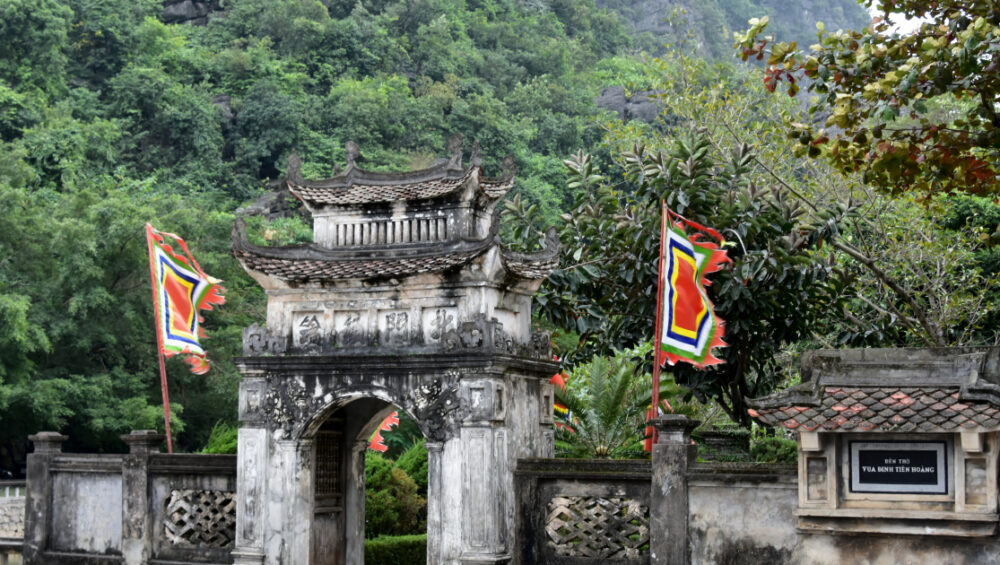
Explore Hoa Lu Ancient Capital in Ninh Binh, Vietnam’s first capital with ancient temples and rich history with ietnam Asia Travel DMC.
Located in Hoa Lu Ancient Capital, the first capital of Dai Co Viet in the 10th century, this historic site offers a unique journey into Vietnam’s royal past. Visitors can explore ancient temples dedicated to Dinh Tien Hoang and Le Dai Hanh, admire timeless architecture, and experience vibrant traditional festivals. Surrounded by dramatic limestone landscapes, Hoa Lu Ancient Capital is not only a cultural treasure but also a must visit destination for those seeking history, heritage, and authentic local experiences in Ninh Binh. Start planning your journey with Vietnam Asia Travel DMC to discover the best of Hoa Lu Ancient Capital and beyond.
Hoa Lu Ancient Capital – Explore Vietnams Historic Heart In Ninh Binh
Located in Tay Hoa Lu Ward, Ninh Binh, Hoa Lu Ancient Capital is one of the most iconic historical destinations in northern Vietnam, offering a unique blend of cultural heritage and natural beauty. Covering an impressive area of nearly 300 hectares, this ancient capital features remarkable architectural relics, sacred temples, and scenic landscapes surrounded by limestone mountains and peaceful rivers.
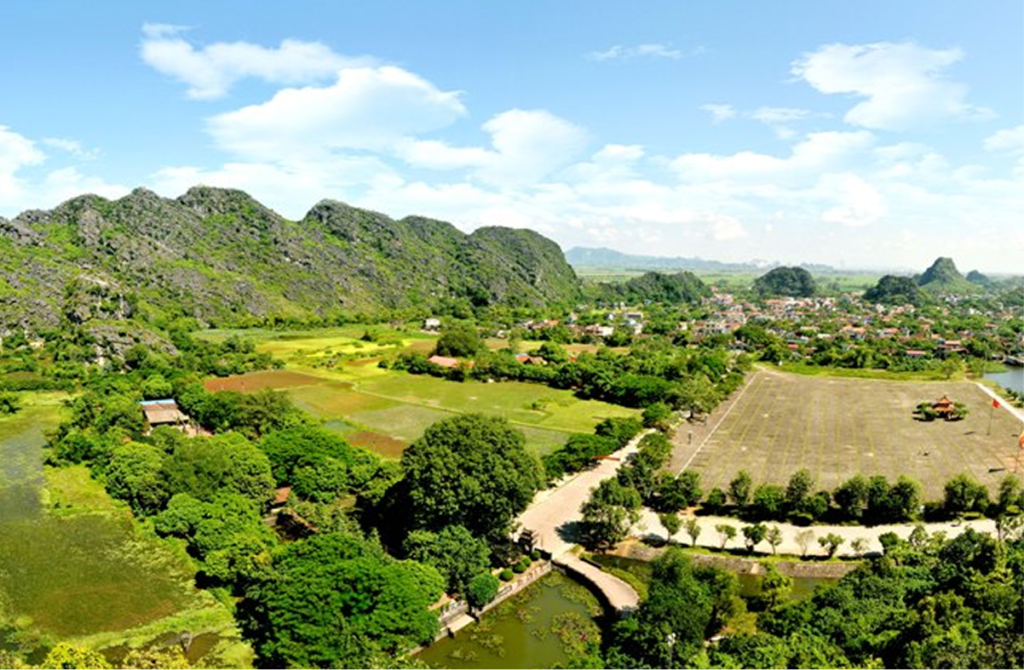
As one of the four core zones of the Trang An Landscape Complex, Hoa Lu Ancient Capital was officially recognized by UNESCO in 2014 as part of Southeast Asias first and only mixed cultural and natural World Heritage Site. This recognition highlights its outstanding historical significance as the political and cultural center of Vietnam during the 10th and 11th centuries.
Today, Hoa Lu Ancient Capital remains a must visit destination in Ninh Binh, attracting travelers who seek to explore Vietnam’s rich history while immersing themselves in a tranquil and picturesque setting. With its harmonious combination of ancient temples, heritage architecture, and stunning natural scenery, this site continues to be one of the most popular attractions in Ninh Binh for international visitors.
Hoa Lu Ancient Capital Ninh Binh: A Journey Through Vietnam Early History
Located in the heart of Ninh Binh, the Hoa Lu Ancient Capital stands as a powerful symbol of Vietnam’s early independence and national identity. Surrounded by dramatic limestone mountains and peaceful landscapes, this historic site offers more than scenic beauty, it tells the story of a formative era that shaped the nation.
In 968, Dinh Bo Linh unified the country after defeating the Twelve Warlords and declared himself emperor. He established the Dinh Dynasty and chose Hoa Lu as the capital of Dai Co Viet, the first official name of Vietnam as an independent state. This marked the beginning of centralized rule and laid the foundation for future dynasties.
By 980, following the assassination of Emperor Dinh Tien Hoang, Le Hoan ascended the throne, founding the Early Le Dynasty. He continued to rule from Hoa Lu, reinforcing its importance as a political and military stronghold during a time of uncertainty.
In 1009, Ly Cong Uan came to power, ushering in a new era of stability under the Ly Dynasty. Although Hoa Lu remained the capital briefly, a significant turning point came in 1010 when he decided to relocate the capital to Dai La, later known as Thang Long. This strategic move opened a new chapter in Vietnamese history, yet many political structures and cultural influences of the new capital were deeply rooted in Hoa Lu.
Today, after more than 1100 years, the Hoa Lu Ancient Capital Ninh Binh continues to preserve its historical and cultural legacy. Visitors can explore ancient temples, royal grounds, and sacred relics that reflect the early days of Vietnam sovereignty. As one of the most important historical destinations in northern Vietnam, Hoa Lu offers a meaningful journey into the origins of the nation.
For travelers seeking both history and natural beauty, the Hoa Lu Ancient Capital is not just a destination but a timeless reminder of Vietnam resilience and pride.
Discover 6 Timeless Landmarks At Hoa Lu Ancient Capital In Ninh Binh
Temple of King Dinh Tien Hoang
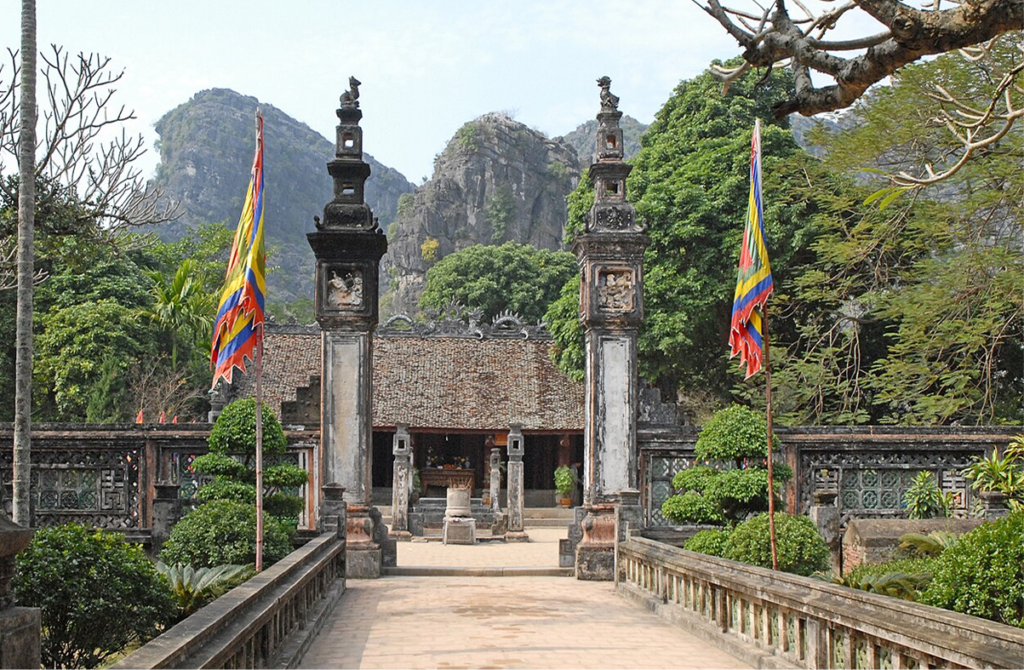
The Temple of King Dinh Tien Hoang is one of the most iconic structures within Hoa Lu Ancient Capital. Built in the 17th century, the temple features traditional Vietnamese architecture with elements such as Ngo Mon Gate, lotus ponds, lush gardens, and multiple ceremonial halls including Bai Duong, Thien Huong, and Hau Cung.
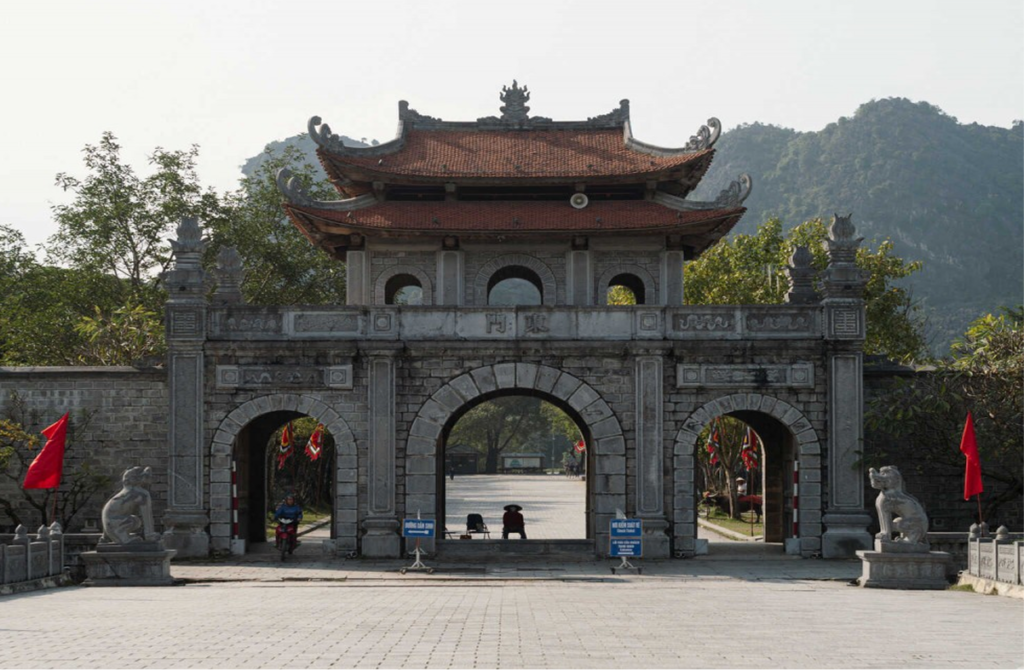
Inside the main sanctuary, statues of King Dinh and his sons are worshipped with great reverence. The temple also preserves valuable artifacts such as stone elephants and an intricately carved stone throne located in the Dragon Courtyard.
Temple of King Le Dai Hanh
Located about 500 meters from the Dinh Temple, the Temple of King Le Dai Hanh is another essential stop in Hoa Lu Ancient Capital. The complex includes Ngo Mon Gate, Bai Duong Hall, Thien Huong Hall, and Hau Cung where King Le Dai Hanh, Queen Duong Van Nga, and Prince Le Long Dinh are honored. The temple stands out for its refined carvings of dragons, phoenixes, and traditional motifs, reflecting the artistic excellence of early Vietnamese dynasties.
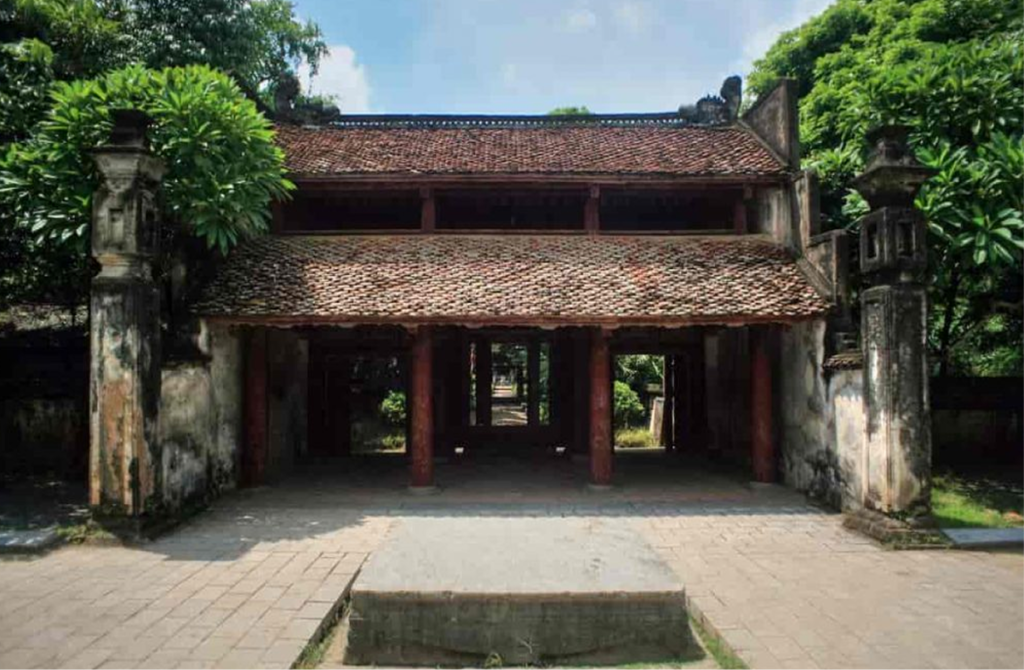
Temple of Princess Phat Kim
Adjacent to the Temple of King Le Dai Hanh, the Temple of Princess Phat Kim offers a quieter yet deeply emotional experience. Built during the Dinh dynasty in the 10th century, the temple commemorates Princess Phat Kim, known for her loyalty and tragic fate.
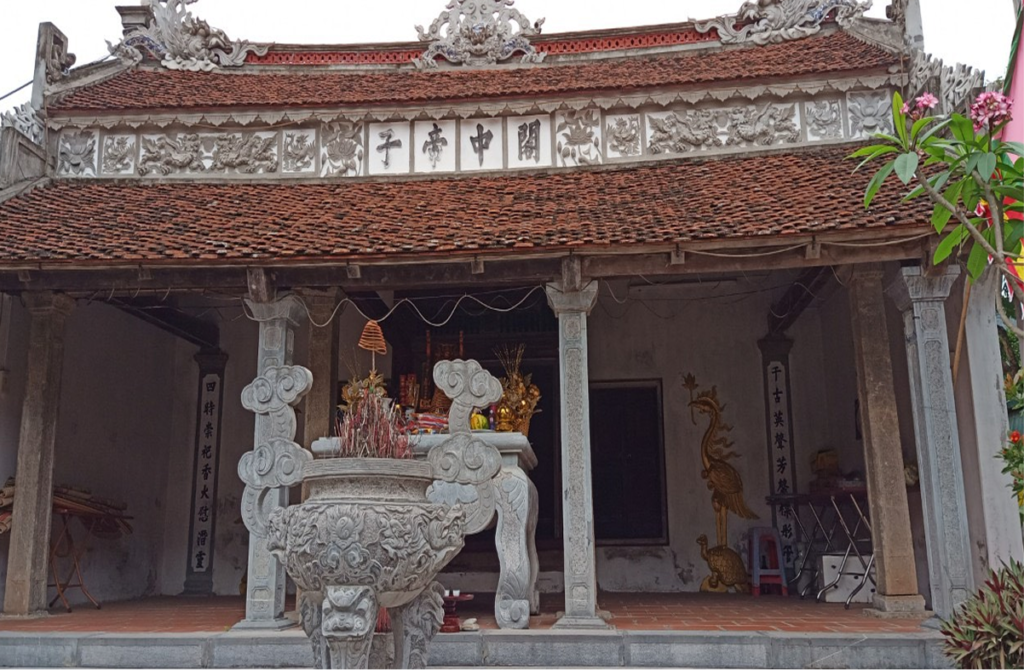
A unique highlight here is the octagonal Ngoc Well, surrounded by stone walls. According to legend, the princess chose this place to end her life in order to preserve her honor, making it a symbolic site of devotion and sacrifice.
Nhat Tru Pagoda
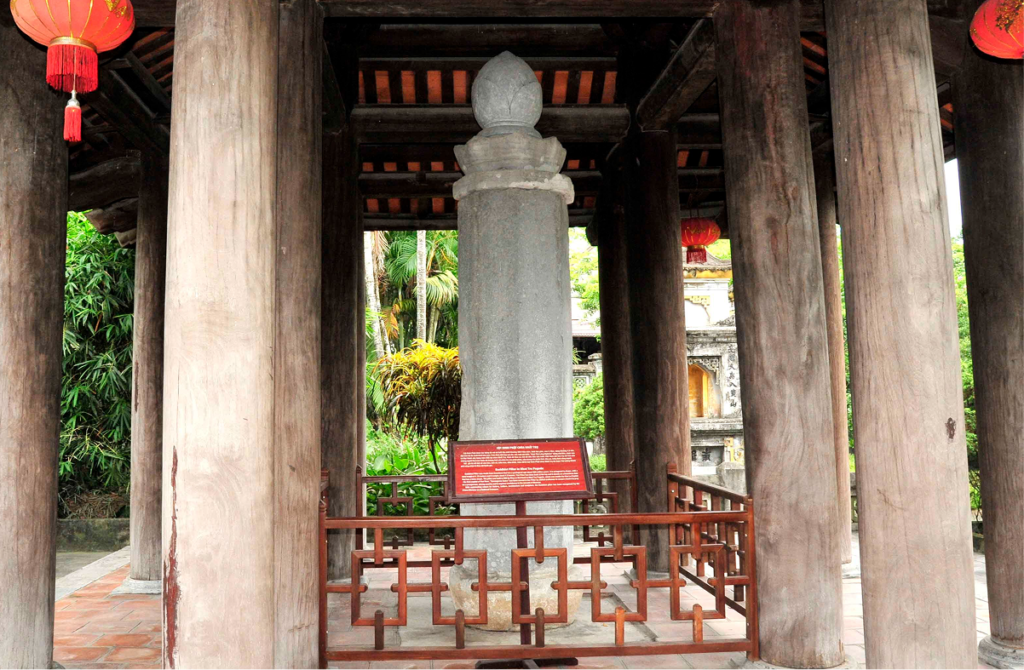
Nhat Tru Pagoda, also known as One Pillar Pagoda of Hoa Lu, is among the oldest Buddhist temples in Vietnam, dating back to the 10th century. The most remarkable feature is a stone pillar over two meters high, engraved on eight sides with Buddhist scriptures. These inscriptions express wishes for national peace and prosperity, showcasing the deep connection between religion and royal authority during the early dynasties of Hoa Lu Ancient Capital.
Am Tien Cave
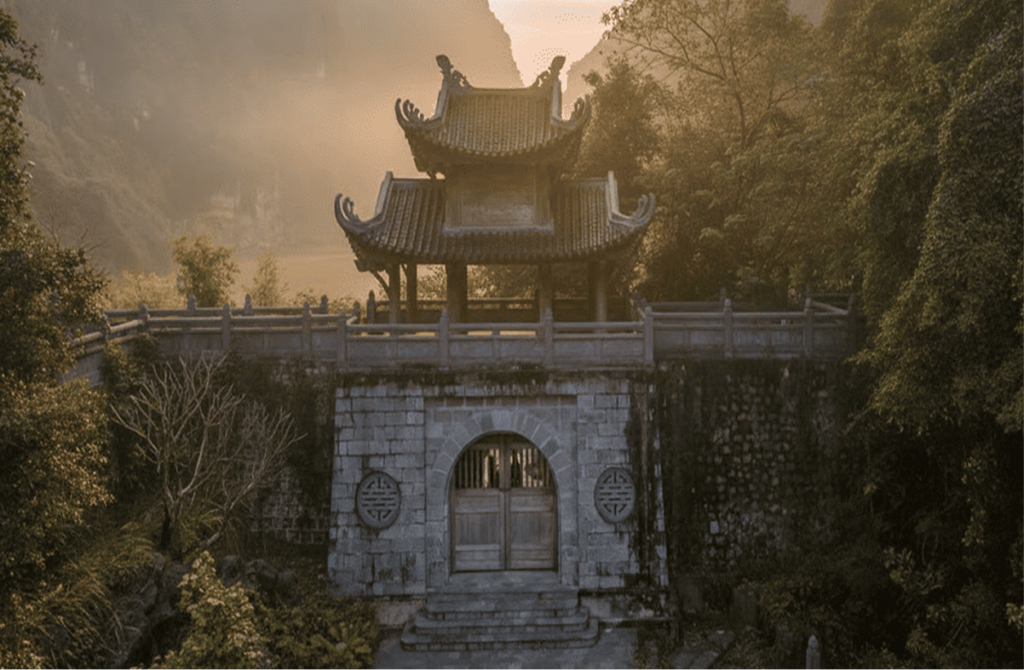
Often referred to as the Hidden Valley of Hoa Lu Ancient Capital, Am Tien Cave is a breathtaking natural and historical site. Surrounded by towering limestone cliffs reaching up to 100 meters, the area forms a secluded valley with a crystal clear freshwater lake spanning approximately 5000 square meters.
Legend has it that King Dinh once used this place to punish traitors, evidenced by a large stone known locally as the execution stone. Today, it offers a peaceful yet mysterious atmosphere for visitors seeking both history and nature.
Other historical sites within the protected area
Beyond the main attractions, Hoa Lu Ancient Capital is home to many lesser known but equally fascinating sites such as Vuon Thien Palace, Kim Ngan Pagoda, Cau Den Stele, Cho Shrine, Bim Cave, Duyen Ninh Pagoda, Sao Khe River, ancient citadel walls, and underground palace foundations.
Each site contributes to a vivid reconstruction of life in the ancient capital, blending historical heritage with the natural beauty that defines Ninh Binh today.
Essential Tips for Visiting Hoa Lu Ancient Capital in Ninh Binh
Choose the Best Time to Visit Hoa Lu Ancient Capital
The ideal time to explore Hoa Lu Ancient Capital is from March to May. During this period, the weather is mild, the sky is clear, and the landscape becomes especially beautiful with golden rice fields stretching along the limestone mountains.

If you are interested in cultural experiences, visit between the 8th and 10th day of the third lunar month to join the famous Truong Yen Festival. This is one of the most important traditional festivals in Ninh Binh, where visitors can witness vibrant ceremonies and historical reenactments.
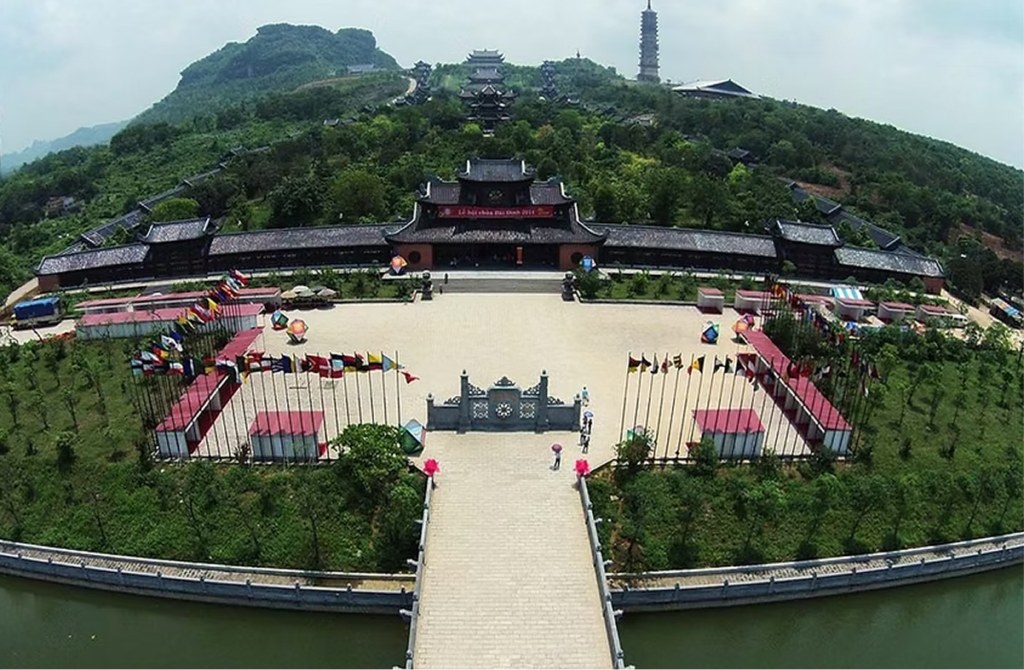
For those who enjoy spiritual travel, you can combine your visit with Bai Dinh Pagoda, one of the largest and most sacred temple complexes in northern Vietnam.
Must Try Experiences at Hoa Lu Ancient Capital
A trip to Hoa Lu Ancient Capital is not complete without these unique activities:
- Climb Ma Yen Mountain for a panoramic view
From the tomb of King Dinh Tien Hoang at the summit, you can admire the entire ancient capital and its surrounding landscapes.
- Explore traditional festivals
The Hoa Lu Festival features rituals such as water procession, fire procession, and statue bathing ceremonies dedicated to King Dinh and King Le. The festive part includes folk games, lion dances, boat racing, and traditional performances.
- Taste local specialties in Ninh Binh
Do not miss famous dishes like grilled mountain goat, crispy rice, Yen Mac fermented pork, and mountain snails. These specialties reflect the unique flavors of the region.
- Dress in traditional Vietnamese costumes for photos
Renting ao dai or Nhat Binh costumes is a popular activity. The best time for photography is early morning or late afternoon when the lighting is soft and natural.
Important Notes When Visiting Hoa Lu Ancient Capital
As a national historical site with deep cultural and spiritual significance, visitors should keep the following in mind:
- Dress respectfully
Wear modest clothing when visiting temples, especially at King Dinh and King Le temples. Avoid shorts, sleeveless tops, or revealing outfits.
- Follow site regulations
Do not touch artifacts, write on walls, or damage any structures. Help preserve the heritage by keeping the area clean.
- Take care of personal belongings
The site can be crowded, so keep your valuables secure and avoid carrying unnecessary expensive items.
- Check the map before exploring
To save time, familiarize yourself with key locations such as King Dinh Temple, King Le Temple, the ancient citadel gate, and Ngoc Well.
Conclusion
More than just the first imperial capital of Vietnam, Hoa Lu Ancient Capital remains a timeless destination where history and culture come alive. Today, this remarkable site in Ninh Binh preserves ancient temples, unique architecture, and powerful stories that reflect a glorious era of the Vietnamese nation.
If you are planning a journey through northern Vietnam, visiting Hoa Lu Ancient Capital offers a meaningful glimpse into the country’s royal past while immersing yourself in a peaceful and scenic landscape. Make your trip truly unforgettable with Vietnam Asia Travel DMC your trusted partner for authentic travel experiences across Vietnam.
FAQs
Where is Hoa Lu Ancient Capital located?
Hoa Lu Ancient Capital is located in Ninh Binh province, about 90 km south of Hanoi. It sits in Tay Hoa Lu Ward and is part of the Trang An Landscape Complex, a UNESCO World Heritage Site.
Why is Hoa Lu Ancient Capital important?
Hoa Lu Ancient Capital was the first capital of Dai Co Viet in the 10th century. It played a key role in establishing Vietnam independence and central government under the Dinh and Early Le dynasties.
What is the best time to visit Hoa Lu Ancient Capital?
The best time to visit is from March to May, when the weather is pleasant and the scenery is at its most beautiful. This is also when the famous Truong Yen Festival takes place.
How long should I spend at Hoa Lu Ancient Capital?
Most visitors spend around 2 to 4 hours exploring the main temples and historical sites. If you combine it with nearby attractions like Trang An or Bai Dinh Pagoda, you can plan a full day trip.