For travelers seeking a meaningful cultural experience, this destination stands out as an essential stop when exploring northern Vietnam. In this overview, Vietnam Asia Travel DMC introduces the history, architectural highlights, and must-visit spots within Bai Dinh pagoda, helping you better understand why this sacred site has become one of the most important pilgrimage destinations in the country.
1. Overview of Bai Dinh Pagoda – Ninh Binh
1.1 Location and Accessibility
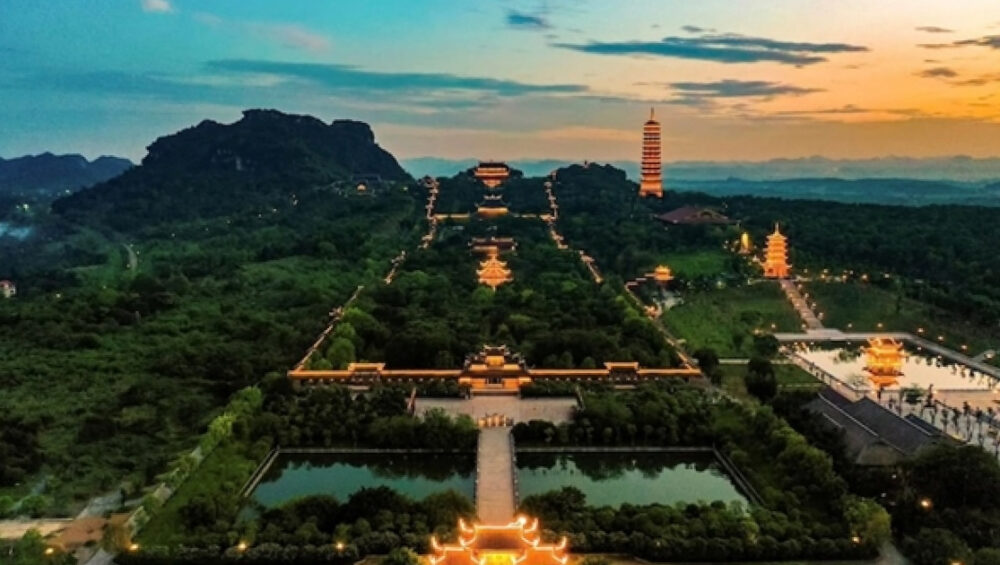
Bai Dinh Pagoda is situated in Tay Hoa Lu Ward, Ninh Binh, approximately 95 km south of Hanoi. Its convenient location makes it one of the most popular day trip destinations from the capital city. Surrounded by the majestic limestone mountains of the Bai Dinh landscape, the area offers a calm and spiritual atmosphere where natural scenery and religious heritage blend harmoniously.
1.2 General Overview
The complex is well known for its impressive scale, traditional Vietnamese architecture, and sacred environment that attracts both pilgrims and international travelers.
1.3 Notable Records and Highlights
Bai Dinh pagoda is famous for holding several national and regional records, reinforcing its importance as a cultural and religious landmark:
- The largest bronze Buddha statue in Southeast Asia
- The largest Amitabha Buddha statue in Vietnam
- The largest collection of Arhat statues in Vietnam
- The largest bronze bell in Vietnam
- The largest Bodhi tree collection in Vietnam
1.4 Cultural and Spiritual Value
Beyond its impressive scale, Bai Dinh pagoda plays an important role as a pilgrimage site in Vietnam. It reflects deep-rooted Buddhist traditions and offers a peaceful space for meditation, prayer, and cultural discovery.
2. History Of Bai Dinh Pagoda
Bai Dinh Pagoda is one of the most remarkable spiritual landmarks in Vietnam, with a history that dates back to the 11th century during the Ly Dynasty under King Ly Thai To. The original ancient temple complex was established to honor Buddhist traditions and was deeply rooted in the cultural and spiritual life of the region.
Over time, the ancient structure was damaged and gradually disappeared due to natural forces and historical changes. In 2003, a large-scale reconstruction project began, giving birth to the modern Bai Dinh Pagoda complex as it is known today. Since then, Bai Dinh Pagoda has become one of the most important Buddhist centers in Vietnam and has earned several Asian records, making it a prominent symbol of Vietnamese Buddhist culture.
3. Architecture of Bai Dinh Pagoda
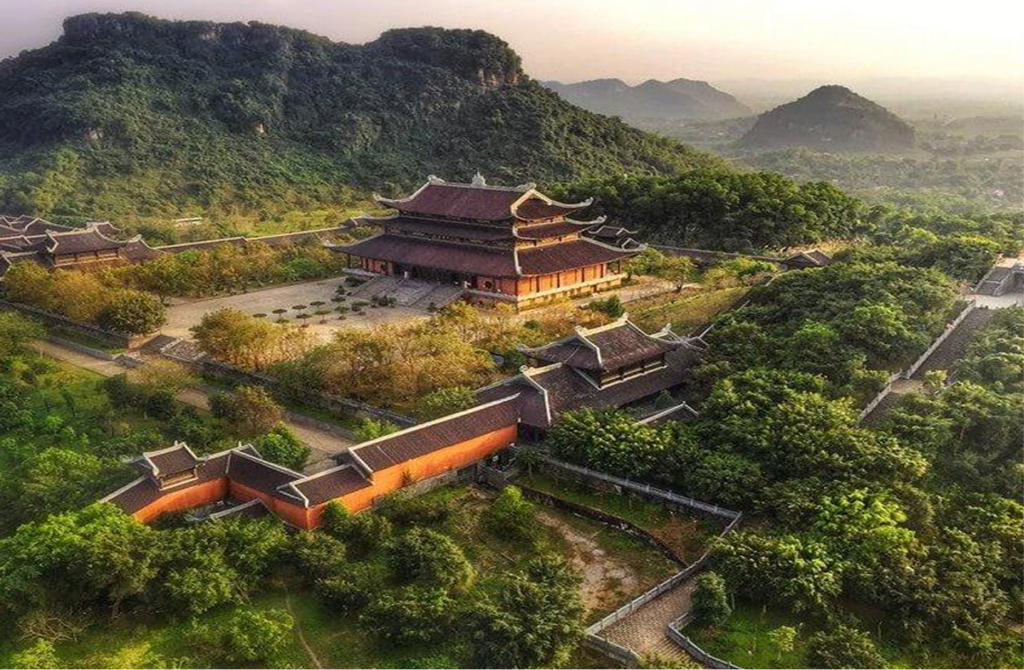
The architecture of Bai Dinh Pagoda is a harmonious blend of traditional Vietnamese Buddhist design and large-scale modern construction, creating a unique spiritual and cultural space.
3.1 Ancient Bai Dinh Pagoda
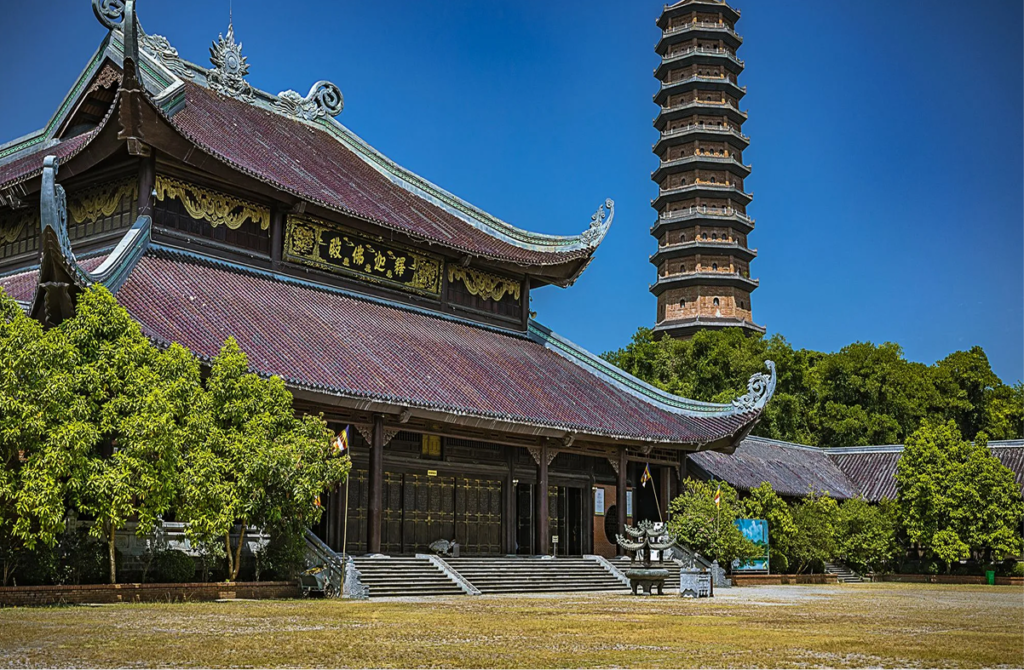
The ancient section of Bai Dinh Pagoda preserves the original spiritual essence of the site. It features traditional wooden structures, intricate carvings, and sacred relics that reflect the artistic craftsmanship of ancient Vietnam. This area offers a peaceful and historical atmosphere for visitors seeking a deeper cultural connection.
3.2 New Bai Dinh Pagoda Complex
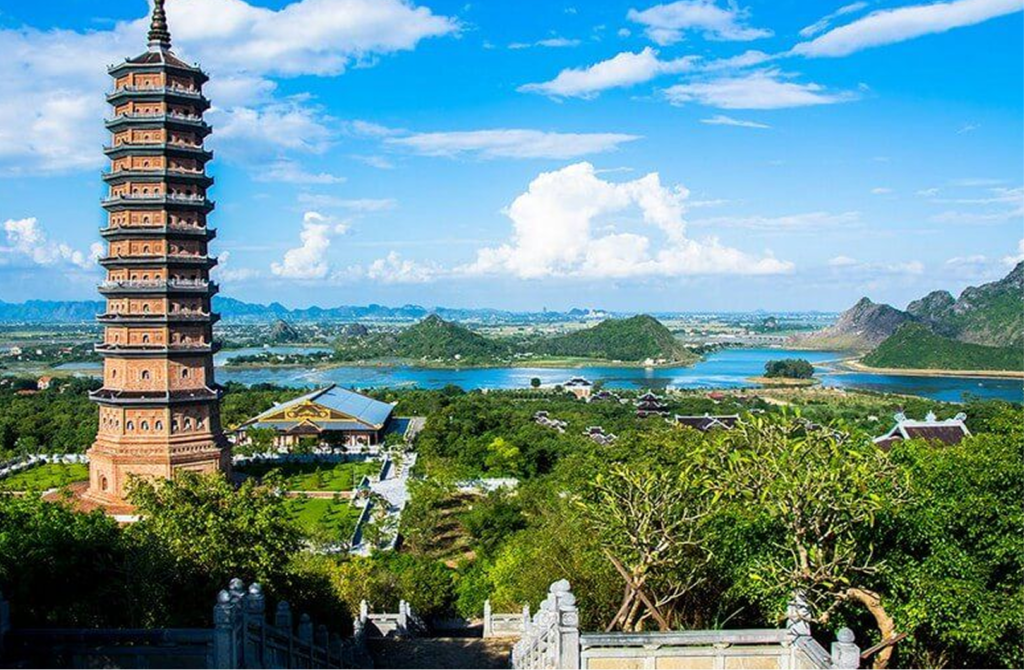
The new complex of Bai Dinh Pagoda was developed to accommodate the growing number of pilgrims and visitors. It is known for its vast courtyards, towering pillars, and monumental Buddha statues. This modern expansion maintains traditional Buddhist architectural principles while showcasing impressive scale and design, making Bai Dinh Pagoda one of the largest temple complexes in Southeast Asia.
4. Best Time to Visit Bai Dinh Pagoda
- Opening hours: Daily from 6:00 AM to 6:00 PM, allowing visitors ample time to explore the entire complex of Bai Dinh Pagoda.
- Entrance fee: Approximately 20,000 VND to 30,000 VND, depending on the specific areas you choose to visit within the site.
The ideal time to visit Bai Dinh Pagoda is during spring and autumn when the weather is mild and comfortable for sightseeing and outdoor exploration.
Visitors can also experience one of the most important cultural and religious events during the annual Bai Dinh Pagoda Festival. The festival officially begins on the 6th day of the first lunar month, usually falling between late January and early February, and continues until the end of the third lunar month, typically in March or early April.
5. Top 11 Must-Visit Attractions at Bai Dinh pagoda
5.1 Dharma Hall (Phap Chu Hall)
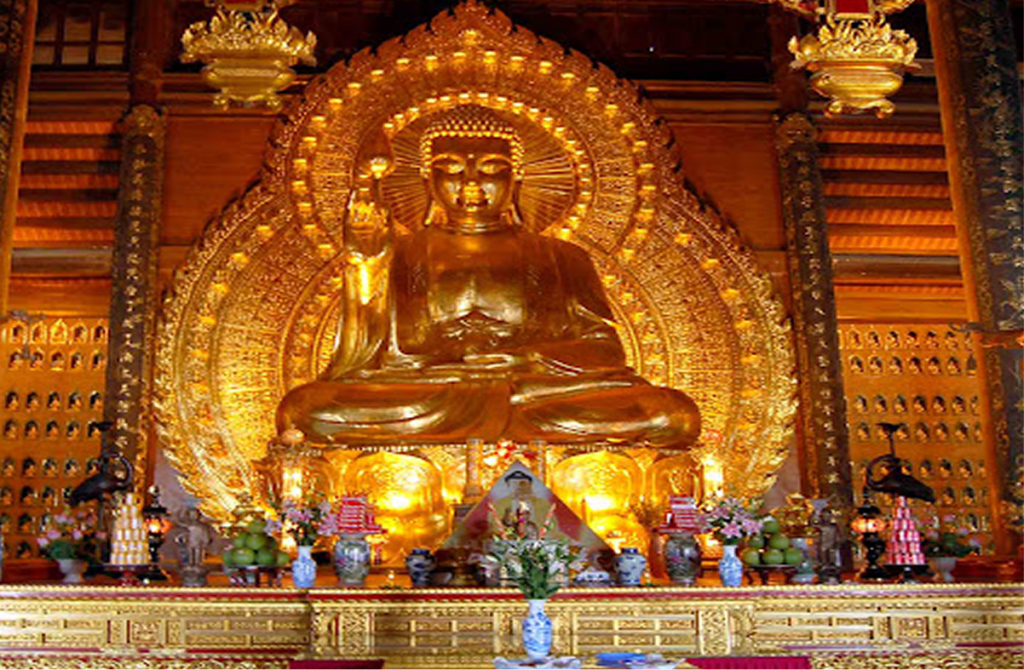
The Dharma Hall is one of the most important structures in Bai Dinh pagoda, dedicated to the Buddha and his teachings. Inside, a monumental Buddha statue creates a powerful spiritual presence, surrounded by a calm and reverent atmosphere.
5.2 Three Worlds Hall (Tam The Hall)
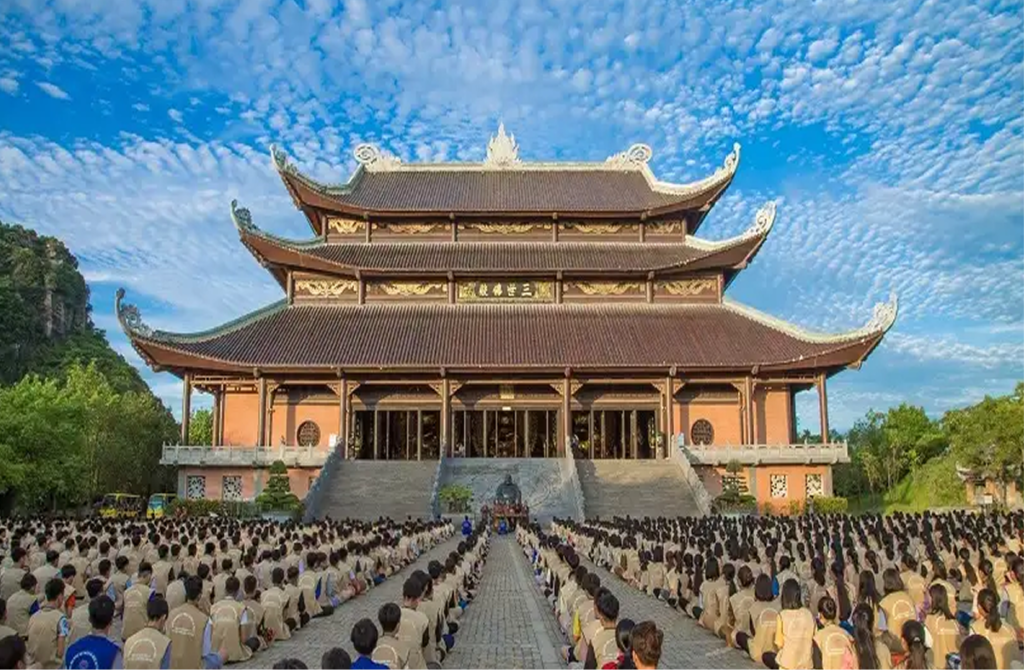
The Three Worlds Hall represents the past, present, and future in Buddhist belief. Each section illustrates different stages of Buddhist history through statues and mural art. This symbolic space reminds visitors of impermanence and the cycle of life, making it a meaningful stop within Bai Dinh pagoda.
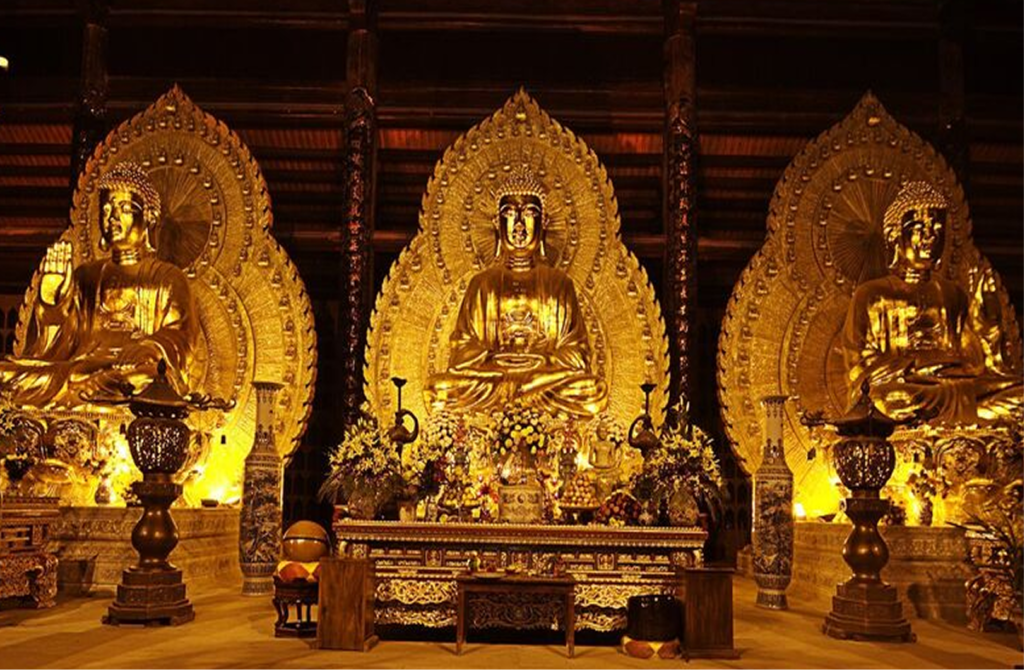
5.3 Avalokitesvara Hall
Dedicated to Avalokitesvara (Guan Yin), the Bodhisattva of Compassion, this hall offers a serene and sacred environment. Intricate statues and carvings create a tranquil atmosphere where visitors come to pray for peace, healing, and protection while exploring.
5.4 Saint Nguyen Temple
This temple honors Saint Nguyen, a respected figure in Vietnamese Buddhist history. The temple features detailed wooden carvings and spiritual artifacts, offering a quiet space for devotion and reflection.
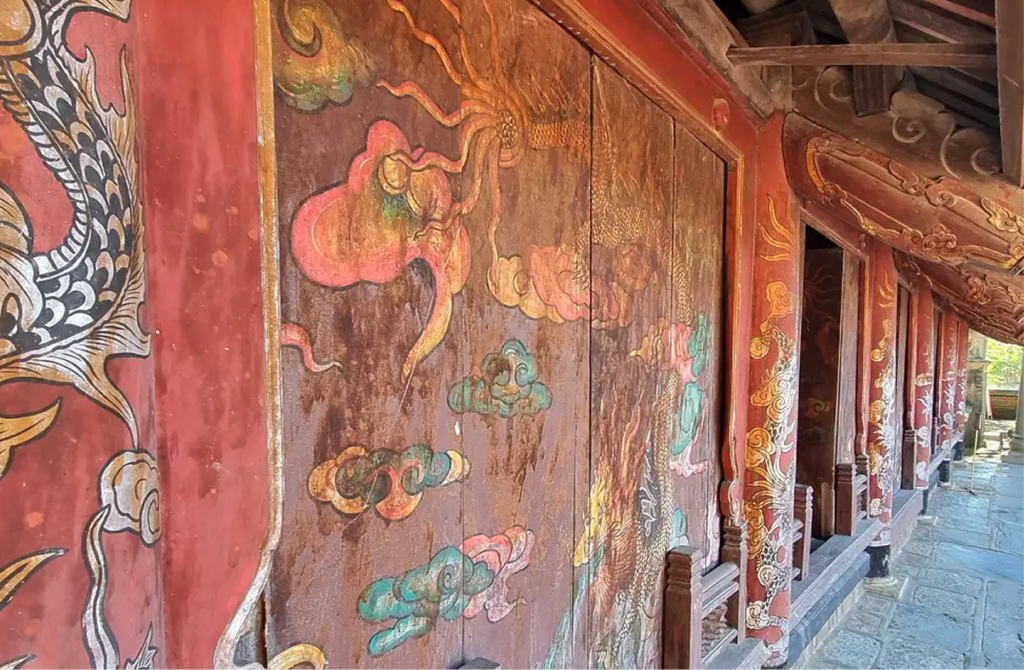
5.5 Arhat Corridor
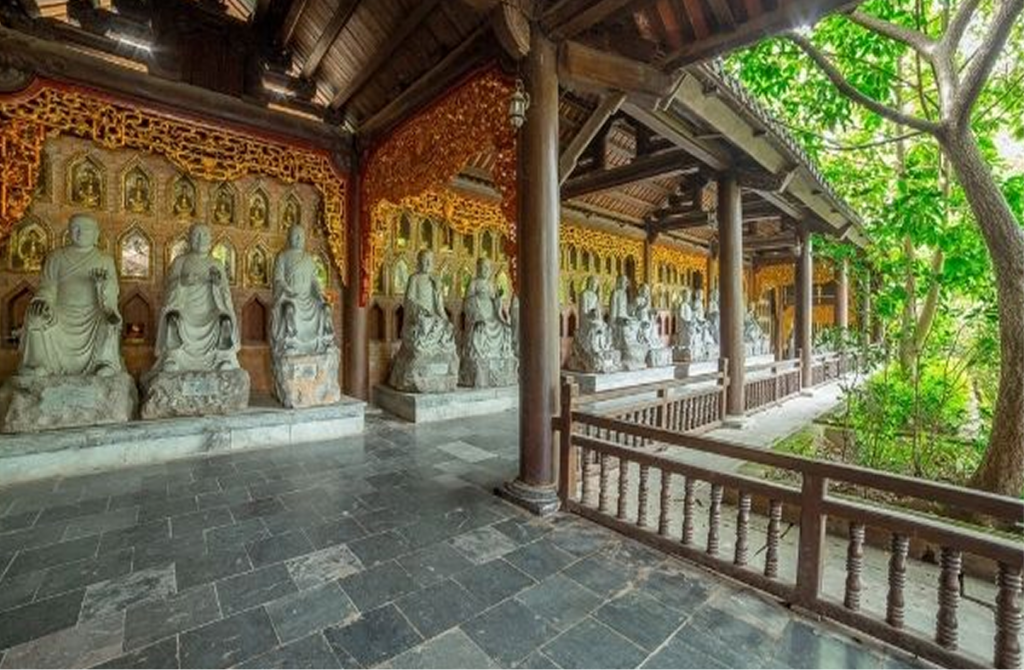
The Arhat Corridor is one of the longest of its kind in Asia, stretching nearly 3 kilometers and featuring 500 stone Arhat statues. Each statue is uniquely carved, showcasing different expressions and postures.
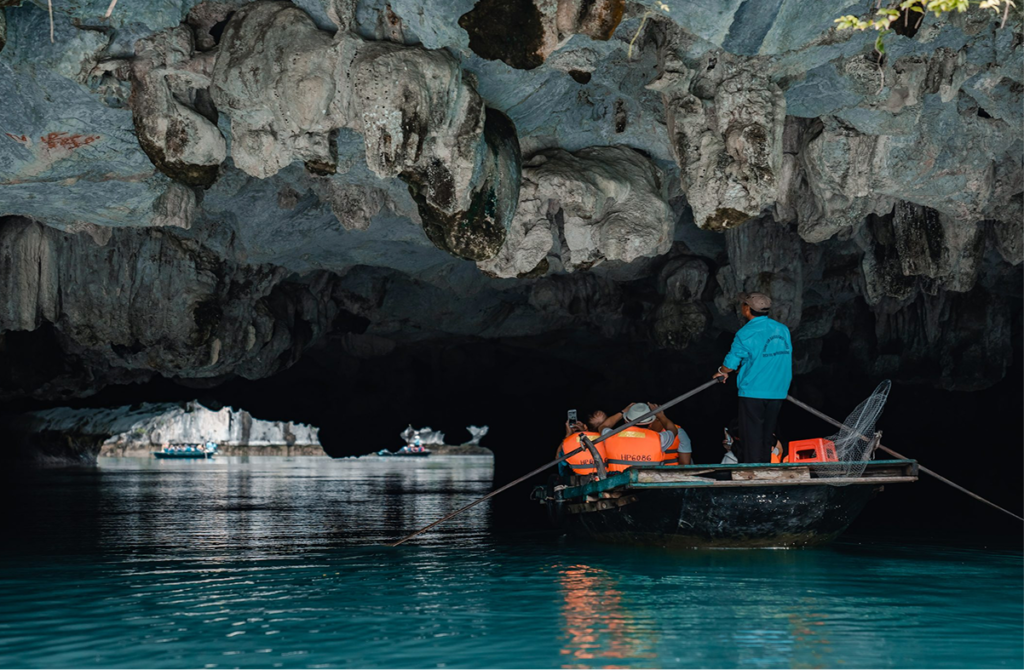
5.6 Dark Cave and Light Cave
The Dark Cave is dedicated to Mother Goddesses and features sacred formations, including the ancient Jade Well. The Light Cave is used for worship of the Buddha, Dharma, and Sangha, symbolizing enlightenment and Buddhist teachings.
5.7 Sacred Jade Well
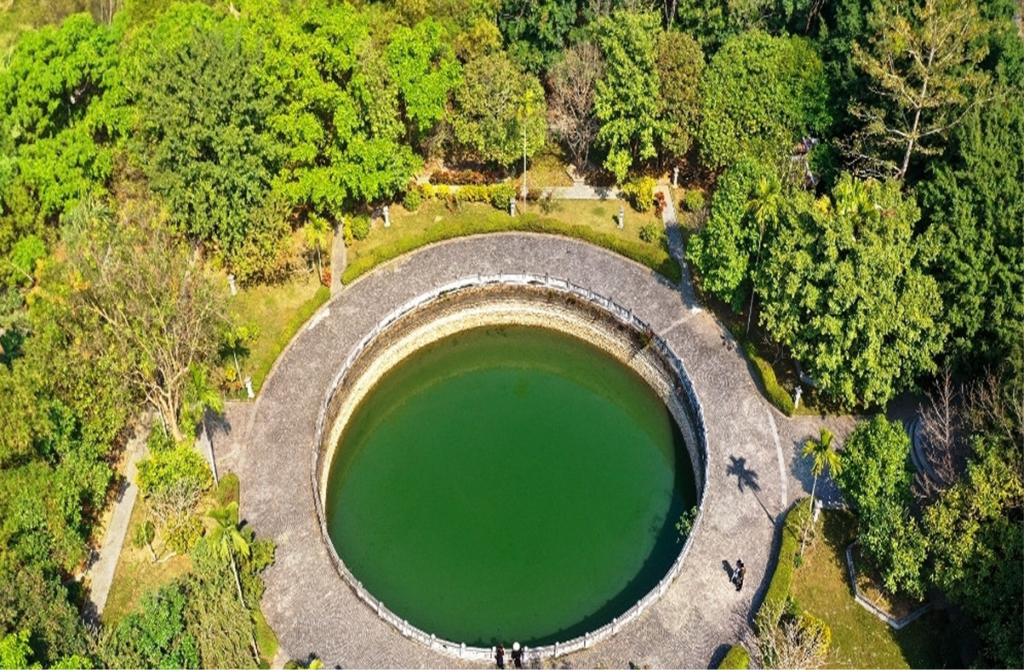
The Sacred Jade Well is believed to contain healing water that purifies both body and mind. Surrounded by lush greenery, it is a peaceful place for prayer and reflection, adding to the spiritual atmosphere.
5.8 Three Main Gates
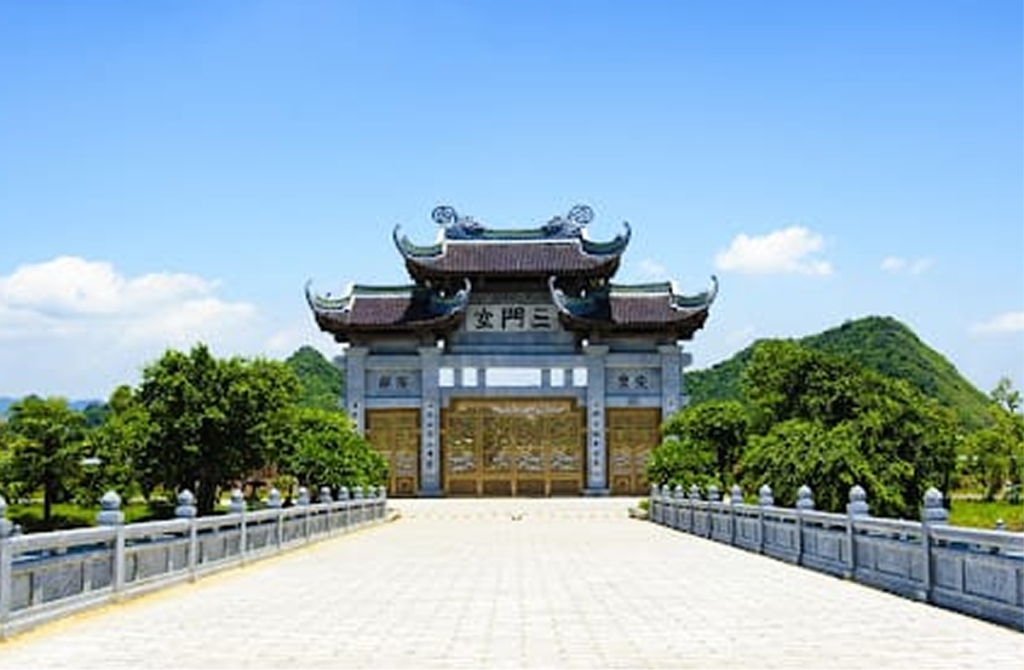
The Three Main Gates symbolize Heaven, Earth, and Humanity. Passing through these gates represents a transition from the secular world into a sacred spiritual space within Bai Dinh pagoda, preparing visitors for a deeper spiritual experience.
5.9 Bell Tower
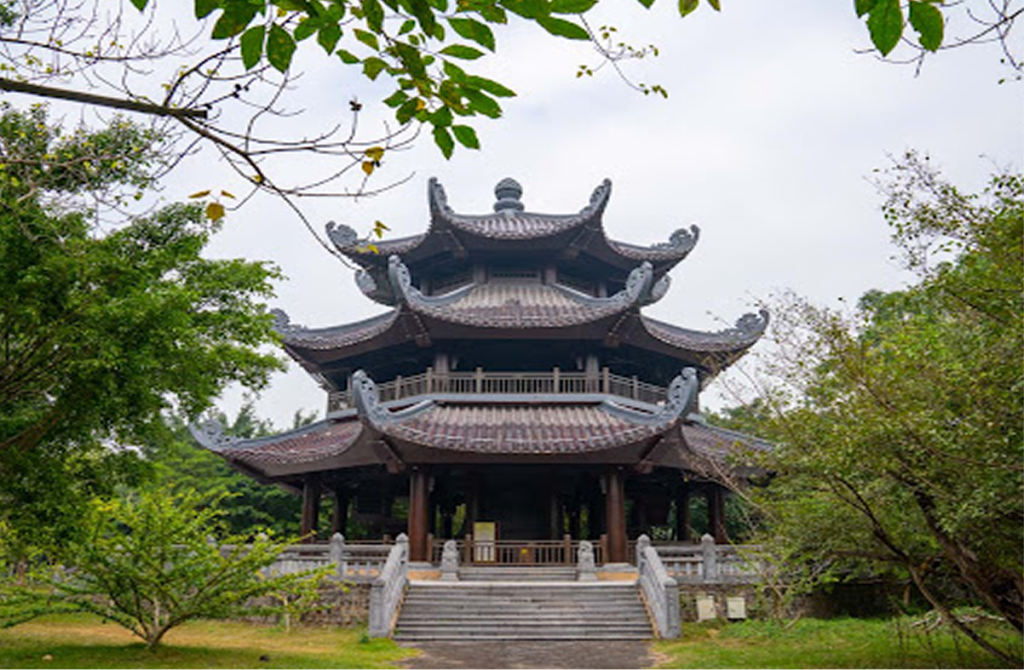
The Bell Tower houses one of the largest bronze bells in Vietnam, known for its powerful and resonant sound. Visitors can climb the tower to enjoy panoramic views of Bai Dinh pagoda and the surrounding mountains, making it both a spiritual and scenic highlight.
5.10 Stupa
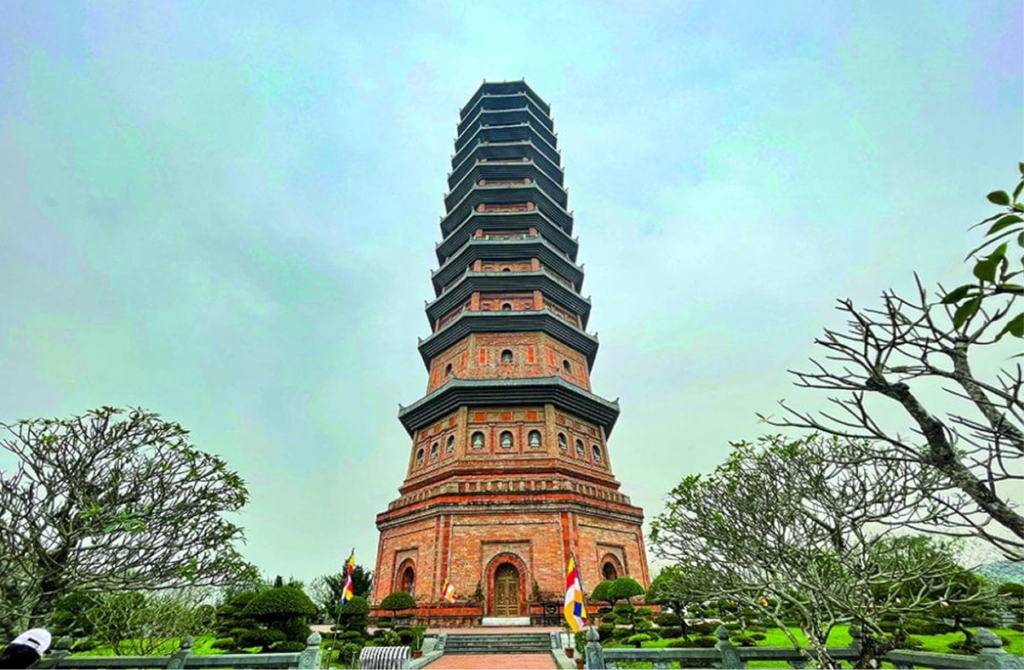
Its towering structure and peaceful surroundings make it a popular place for meditation, prayer, and spiritual reflection.
5.11 Maitreya Buddha Statue
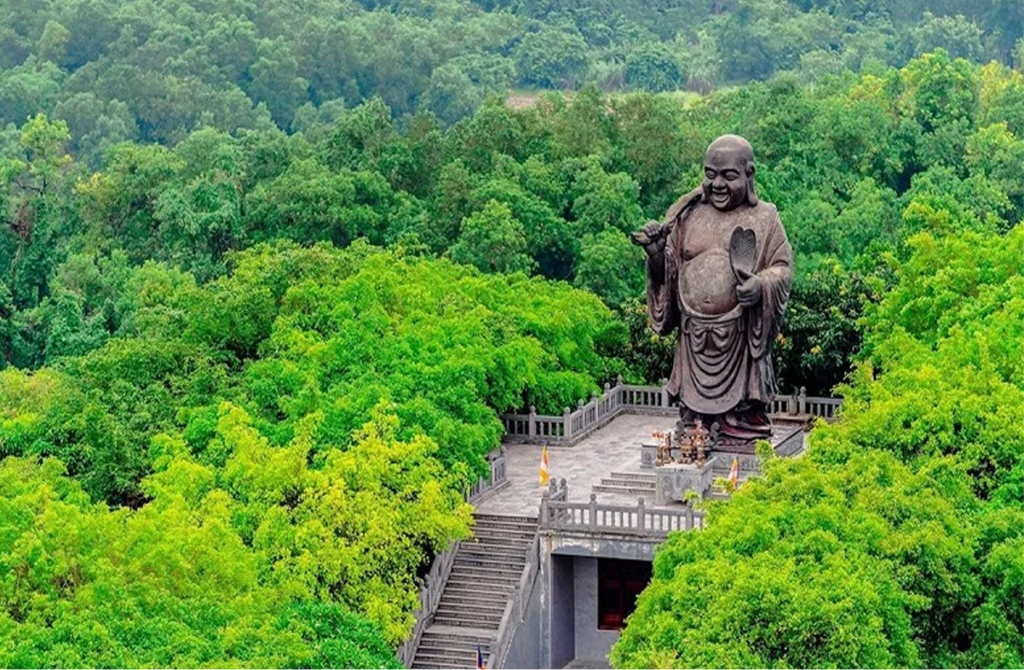
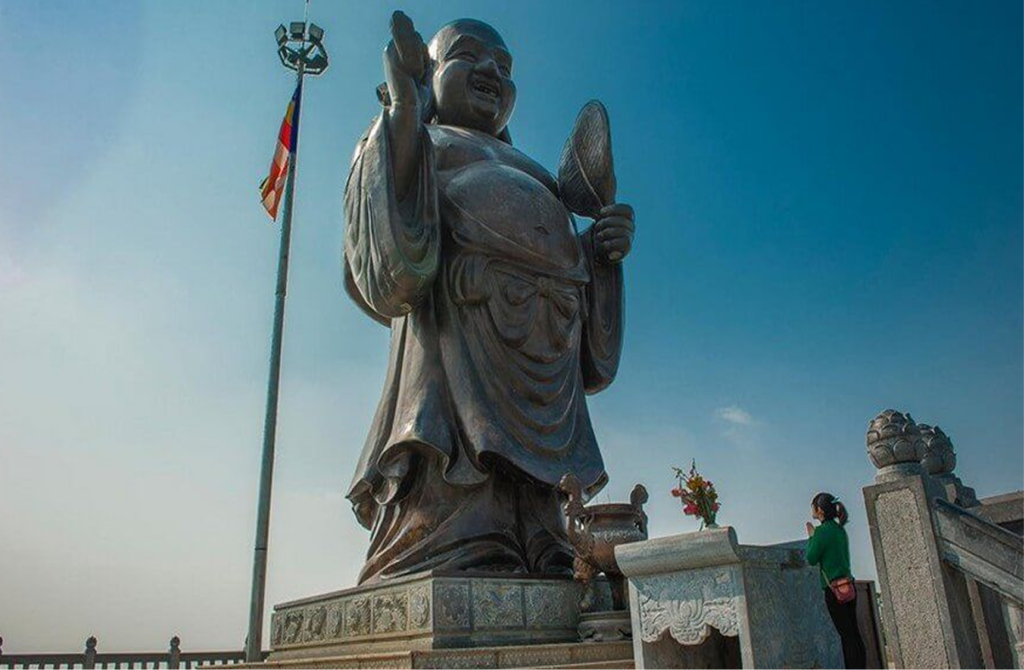
The Maitreya Buddha Statue is one of the largest of its kind in Southeast Asia, symbolizing future hope, happiness, and peace. Located in a grand hall, this impressive statue is a key landmark of Bai Dinh pagoda and a powerful representation of Buddhist faith and optimism.
4. Important Tips for Visitors
This travel guide will help you prepare for a smooth and respectful experience at one of the largest spiritual complexes in Vietnam.
- Appropriate Clothing
- A hat or cap to protect yourself from the sun
- Sunscreen to avoid sunburn during outdoor walking
- Comfortable walking shoes, as the site is large and involves a lot of walking
- Drinking water to stay hydrated throughout your visit
- Cultural Etiquette
Conclusion
The site is especially appealing for international travelers who wish to experience a deeper connection with local spiritual traditions while admiring one of the largest Buddhist complexes in Southeast Asia. Its grand scale and harmonious design make it a must-visit destination, perfectly combined with nearby attractions in Ninh Binh for a more complete and memorable experience. For those planning a meaningful journey to Vietnam, let Vietnam Asia Travel DMC accompany you in discovering the timeless beauty and cultural richness of Bai Dinh pagoda and beyond.
FAQ
1. Where is Bai Dinh Pagoda located?
Bai Dinh Pagoda is located in Tay Hoa Lu Ward, Ninh Binh, about 95 km south of Hanoi, Vietnam.
2. What is Bai Dinh Pagoda famous for?
Bai Dinh Pagoda is famous for being the largest Buddhist complex in Vietnam, known for its massive architecture, sacred halls, and several national records such as the largest bronze Buddha statue and the longest Arhat corridor in Asia.
3. How much is the entrance fee to Bai Dinh Pagoda?
The entrance fee is approximately 20,000 VND to 30,000 VND, depending on the areas you visit inside the complex.