
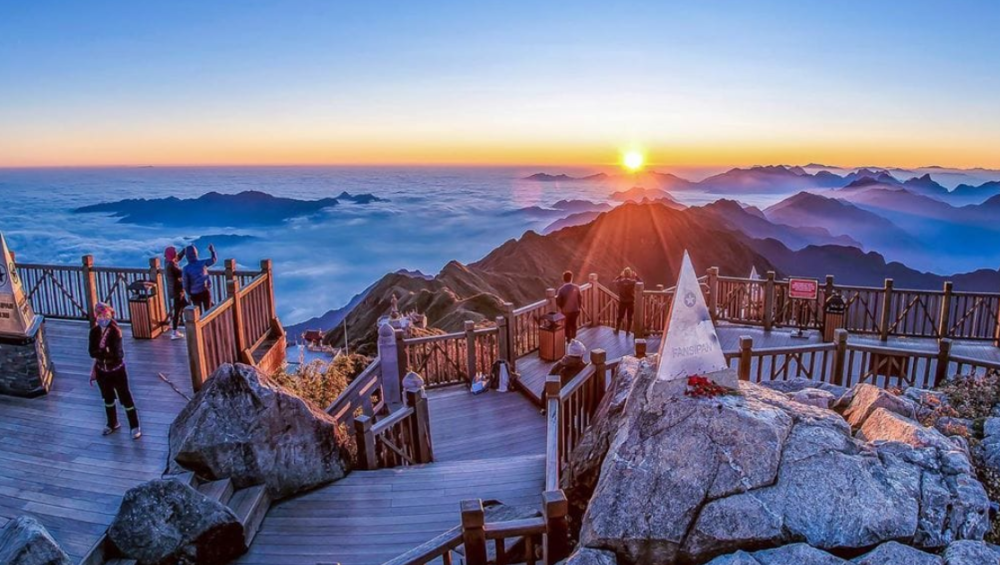
Sapa trekking offers a journey through the mountains of Northwestern Vietnam, with scenic trails and villages rich in local culture. From popular Sapa trekking routes to authentic local experiences, each journey offers something different. Travelers can learn about Sapa trekking difficulty, choose suitable trails for Sapa trekking for beginners, and check the best time for trekking in Sapa before planning their trip. Join Vietnam Asia Travel to discover 7 memorable experiences and choose the right Sapa trekking tours for your journey.
What Is Sapa Trekking?
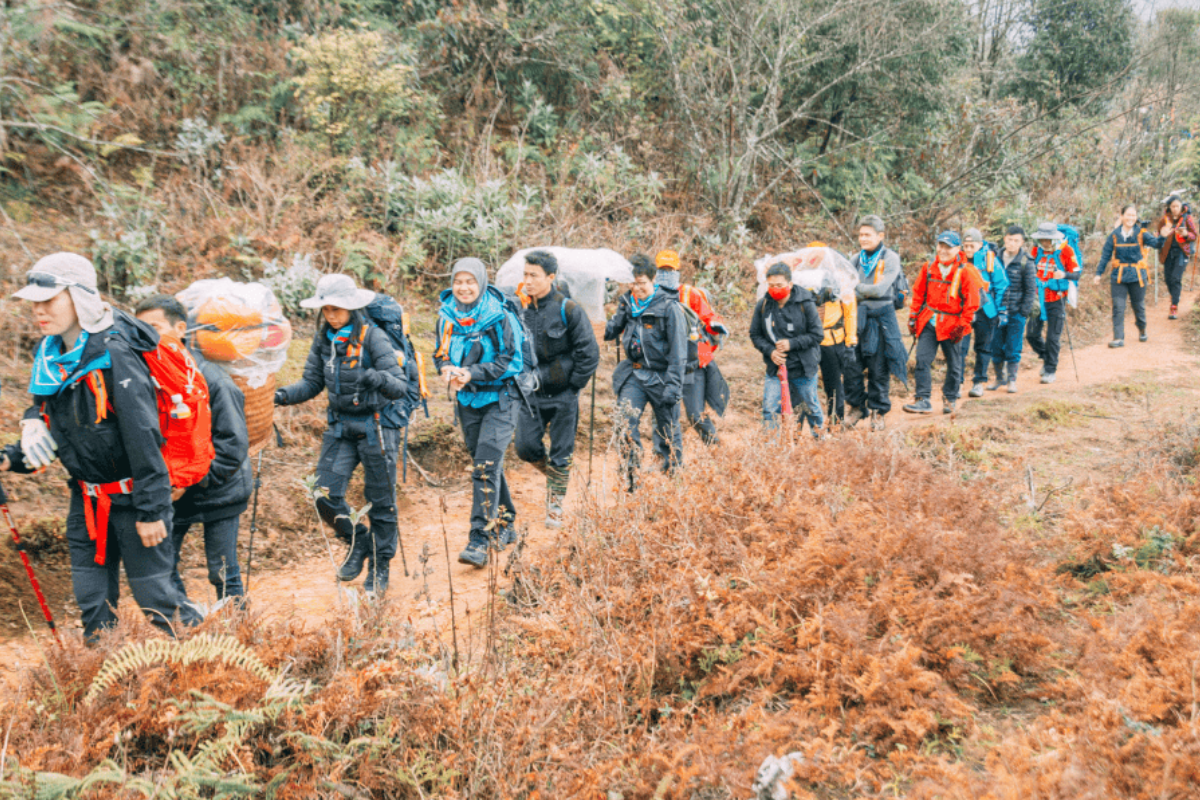
Sapa trekking is a way to explore the mountains of Northwestern Vietnam through trails that pass valleys, terraced rice fields, and local villages. Sapa trekking routes range from short and easy trails to longer routes with steeper terrain. Popular areas include Muong Hoa Valley, Lao Chai, Ta Van, Cat Cat, and Ta Phin.
The journey offers opportunities to enjoy mountain scenery, learn about H’Mong and Dao cultures, and experience local life in the highlands. Depending on their time and fitness level, travelers can choose a day trek or a multi-day journey with a homestay. It is a suitable option for those who want to stay active while discovering Sapa in a more immersive way.
What Are the Best Sapa Trekking Routes?
Sapa offers many trails for different levels of experience, from short routes through local villages to longer journeys through the mountains. The main Sapa trekking routes vary in scenery, terrain, and travel time, making it easier for travelers to choose based on their fitness level and interests.
Lao Chai – Ta Van Trekking Route

Lao Chai – Ta Van is one of the most popular Sapa trekking routes, known for its terraced rice fields, Muong Hoa Valley, and villages of the H’Mong and Dao communities. The route has moderate terrain and is suitable for travelers who want to combine scenic views with local cultural experiences.
Muong Hoa Valley Trekking Route
Muong Hoa Valley is one of the best trekking routes in Sapa, featuring mountain scenery, valleys, and extensive terraced rice fields. The route is suitable for a day of Sapa trekking, especially for travelers who want to enjoy nature without taking on a very long journey.
Cat Cat Village Trekking Route
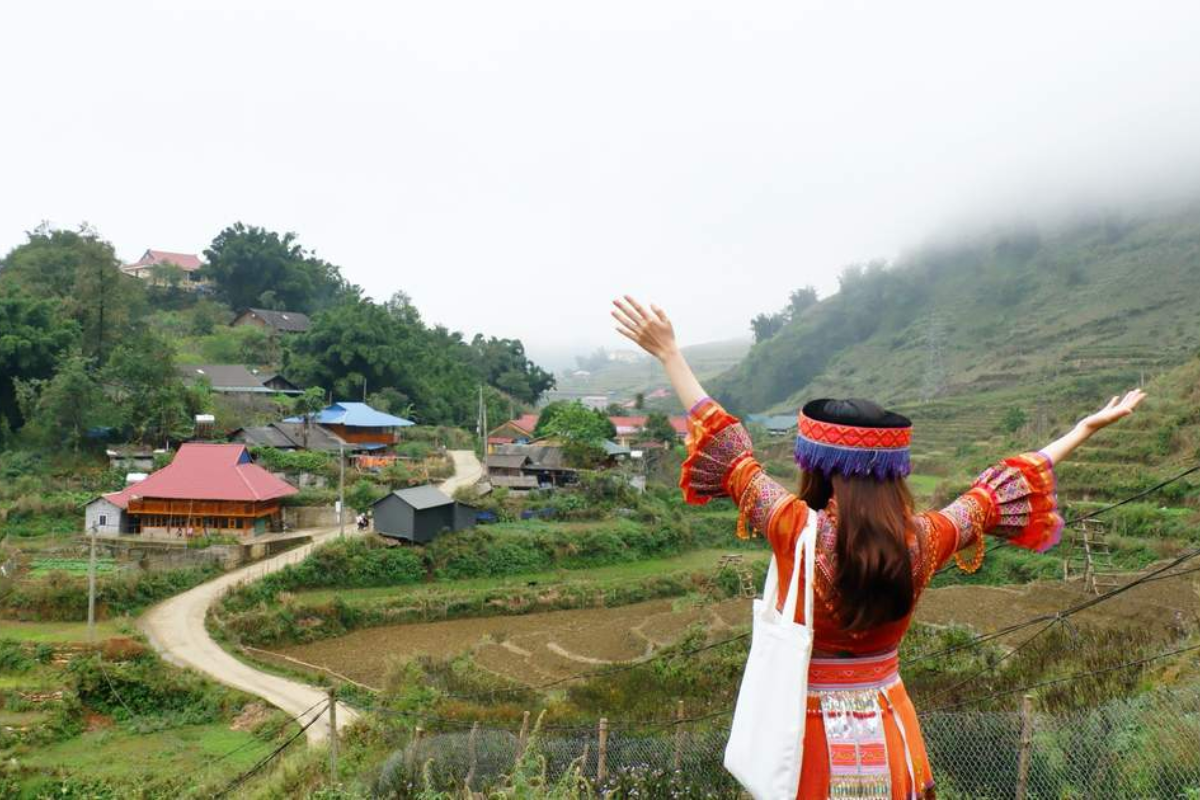
Cat Cat is a short and accessible route suitable for Sapa trekking for beginners. Travelers can walk through the village, cross small bridges, see waterfalls, and follow narrow paths surrounded by mountain scenery. It is a convenient option if you only have a few hours to explore Sapa.
Ta Phin Trekking Route
Ta Phin offers a peaceful setting surrounded by mountains, terraced fields, and the daily life of the Red Dao community. The route is suitable for travelers who want to experience Sapa trekking while exploring local culture and community life.
Y Linh Ho Trekking Route
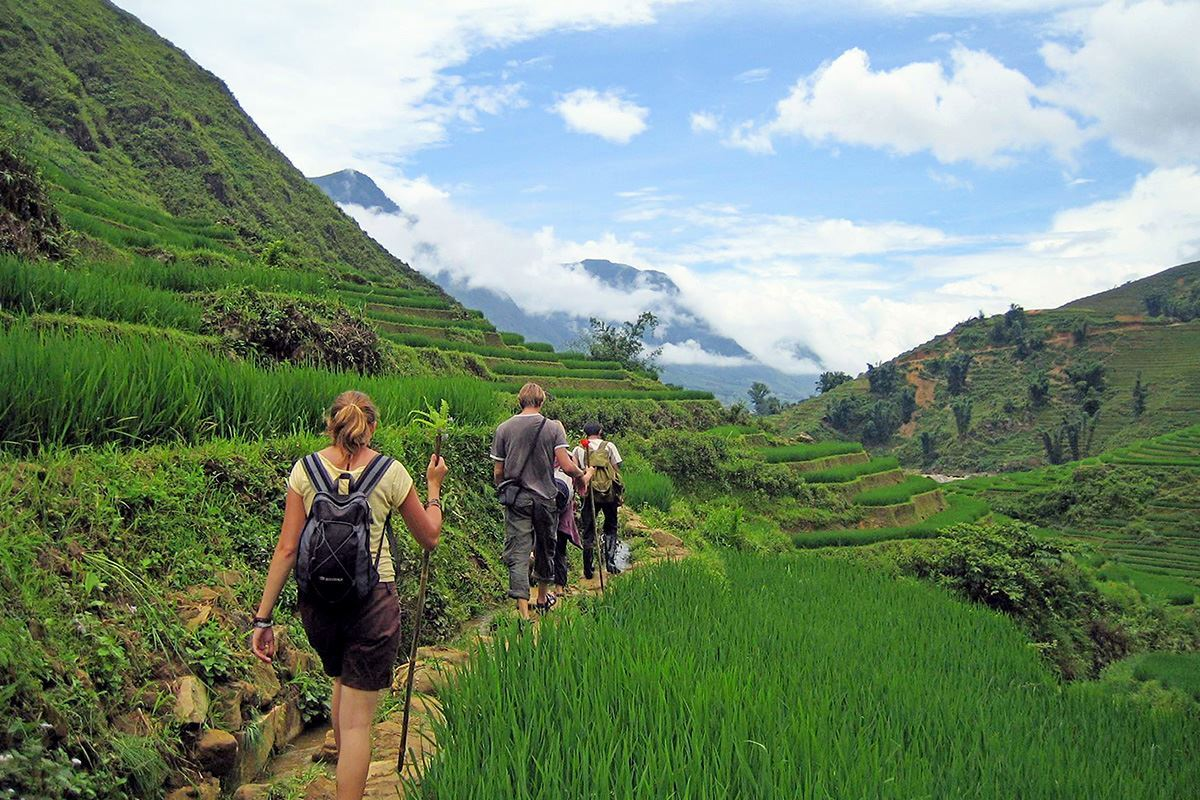
Y Linh Ho lies among green mountains and valleys, creating the distinctive scenery of the Sapa highlands. The route is often combined with Lao Chai and Ta Van to create a longer journey, making it suitable for different Sapa trekking itinerary options.
Ta Van – Giang Ta Chai Trekking Route
Ta Van – Giang Ta Chai takes travelers deeper into the Muong Hoa Valley, passing village paths, terraced rice fields, and forested areas. With varied terrain, this route is suitable for travelers who want to understand Sapa trekking difficulty before choosing their journey.
What Are the Best Trekking Routes in Sapa for Different Travelers?
Each Sapa trekking route suits different travel needs. Beginners can choose shorter and easier trails, while more experienced travelers can try longer journeys with more varied terrain.
| Traveler Type | Suitable Route | Difficulty | Highlights |
|---|---|---|---|
| Beginners | Cat Cat Village | Easy | Village, waterfall, mountain scenery |
| Culture lovers | Ta Phin | Easy – Moderate | Red Dao culture, local life |
| First-time trekkers | Lao Chai – Ta Van | Moderate | Terraced fields, Muong Hoa Valley |
| Nature lovers | Y Linh Ho – Lao Chai – Ta Van | Moderate | Valley, terraced fields, villages |
| Experienced trekkers | Sapa – Fansipan | Challenging | Mountains, trails, Fansipan Peak |
For Sapa trekking for beginners, Cat Cat and Ta Phin are accessible options thanks to their shorter routes and moderate terrain. Lao Chai – Ta Van is suitable for travelers who want to combine nature and local culture. For a greater challenge, you can choose Fansipan or create a longer Sapa trekking itinerary.
What Can You Experience on a Sapa Trek?

A Sapa trekking journey is not only about walking through the mountains. It also provides opportunities to experience the natural scenery and local culture of the highlands. Depending on the route, travelers can enjoy different activities:
- Admire terraced rice fields: See rice terraces stretching across the mountainsides, especially beautiful during the rice-growing season.
- Explore local villages: Visit Lao Chai, Ta Van, and Ta Phin and learn about the daily lives of H’Mong and Dao communities.
- Trek through the mountains: Walk through valleys, bamboo forests, streams, and mountain trails.
- Experience local culture: Learn about traditional crafts, customs, and cuisine within local communities.
- Stay at a homestay: Spend the night in a local home and experience everyday life in a more personal setting.
- Taste highland cuisine: Try local dishes after a day of trekking.
- Meet local people: Talk with residents and learn more about the culture and lifestyle of Sapa.
These experiences make Sapa trekking more diverse than simply walking through the mountains. For a more in-depth journey, travelers can choose private Sapa trekking tours for greater flexibility in routes, timing, and experiences.
What Should You Know Before Sapa Trekking?

Before starting Sapa trekking, travelers should prepare by learning about the weather, terrain, and physical demands. These factors can help you choose a suitable route and enjoy a more comfortable journey.
- Check the weather: Sapa weather can change quickly, so check the forecast before setting out. The best time for trekking in Sapa often depends on the weather conditions and scenery you want to experience.
- Choose a suitable route: Check the distance, terrain, and Sapa trekking difficulty in advance to avoid choosing a route beyond your ability.
- Prepare suitable footwear: Wear trekking shoes with good grip, especially during the rainy season or on steep sections.
- Bring enough water and snacks: Some routes pass through areas with few shops, so prepare enough water and food for the journey.
- Hire a guide when needed: For longer routes or more challenging terrain, Sapa trekking tours with a local guide can make the journey more convenient.
- Respect local culture: When visiting villages, respect local customs, ask before taking photos of residents, and help keep the environment clean.
Do You Need a Guide for Sapa Trekking?
Whether you need a guide depends on the route and your experience. For short and easy Sapa trekking routes, you may be able to explore independently. For longer routes or more challenging terrain, a guide can provide useful support.
| Situation | Guide Needed? | Reason |
|---|---|---|
| Short, easy route | Not required | Easy to navigate and flexible timing |
| First-time trekking | Recommended | Navigation support and help along the route |
| Long route with varied terrain | Recommended | Helps select a suitable route and manage time |
| Trekking through local villages | Recommended | Provides insight into local culture and daily life |
| Multi-day trekking | Recommended | Helps with itinerary, homestays, and stops |
| Want a private itinerary | Depends on preference | Private Sapa trekking tours offer greater flexibility |
For travelers with limited trekking experience, Sapa trekking tours with a local guide are a convenient way to explore the trails and highland culture. Experienced trekkers may prefer to explore suitable routes independently for greater flexibility and freedom.
Suggested Sapa Trekking Itinerary Combined with a Vietnam Trip

You can consider the Vietnam Cultural Adventure 12 Days if you want to combine Sapa trekking with a journey across several regions of Vietnam. The itinerary begins with Hanoi and Sapa before continuing to Ha Long Bay, Hue, and Ho Chi Minh City. It is a useful Sapa trekking itinerary reference for combining trekking with a broader Vietnam trip.
- Day 1: Hanoi Arrival: Spend the day settling into Hanoi before exploring the Old Quarter, where historic streets, local shops, and traditional Vietnamese culture come together.
- Day 2: Hanoi Sightseeing and Night Train to Lao Cai: Visit One Pillar Pagoda, Ho Chi Minh Mausoleum, West Lake, and the Temple of Literature before taking the night train from Hanoi to Lao Cai for the journey to Sapa.
- Day 3: Cat Cat Village and Fansipan: Start your Sapa experience with a light trek through Cat Cat Village, home to the H’Mong community, then take the cable car to Fansipan to admire the mountain scenery from Vietnam’s highest peak.
- Day 4: Lao Chai, Ta Van and Muong Hoa Valley: Enjoy the main Sapa trekking experience with a 10 km, 3.5-hour trek through Lao Chai and Ta Van. The route passes through Muong Hoa Valley, terraced rice fields, Sapa Ancient Rock Field, and Cloud Bridge before ending with an overnight stay in a local homestay or bungalow.
- Day 5: Sin Chai Village and Sapa Waterfalls: Visit Silver Waterfall, Love Waterfall, and Tram Ton Pass before trekking toward Sin Chai Village, where mountain landscapes, rice terraces, and H’Mong culture create a different side of the Sapa experience. Return to Sapa and continue to Hanoi.
- Day 6: Ha Long Bay and Lan Ha Bay Cruise: Travel from Hanoi to Ha Long Bay and Lan Ha Bay, then board an overnight cruise to enjoy the limestone islands, emerald waters, and peaceful scenery of northern Vietnam.
- Day 7: Return to Hanoi: Spend the morning enjoying the final cruise activities before leaving Ha Long Bay and returning to Hanoi for the next stage of the journey.
- Day 8: Hanoi to Hue: Fly from Hanoi to Hue and begin exploring the historic and cultural heritage of central Vietnam.
- Day 9: Hue Countryside and Thuy Bieu Village: Visit Thuy Bieu Village and the surrounding countryside, with opportunities to cycle through rural landscapes, experience traditional crafts, and learn more about local life.
- Day 10: Hue to Ho Chi Minh City: Leave Hue for Ho Chi Minh City by flight and use the rest of the day to relax or explore the city independently.
- Day 11: Ho Chi Minh City Discovery: Visit major city landmarks such as Independence Palace, War Remnants Museum, Notre Dame Cathedral, the Old Post Office, Ben Thanh Market, and Nguyen Hue Walking Street.
- Day 12: Departure from Ho Chi Minh City: Complete the journey in Ho Chi Minh City and transfer to the airport for your departure.
The Vietnam Cultural Adventure 12 Days itinerary shows how Sapa can be combined with other destinations in a longer journey. If your main focus is Sapa trekking, you can spend more time around Lao Chai, Ta Van, Muong Hoa Valley, or Sin Chai instead of spending only a few days in Sapa.
Sapa Trekking Tours with Vietnam Asia Travel
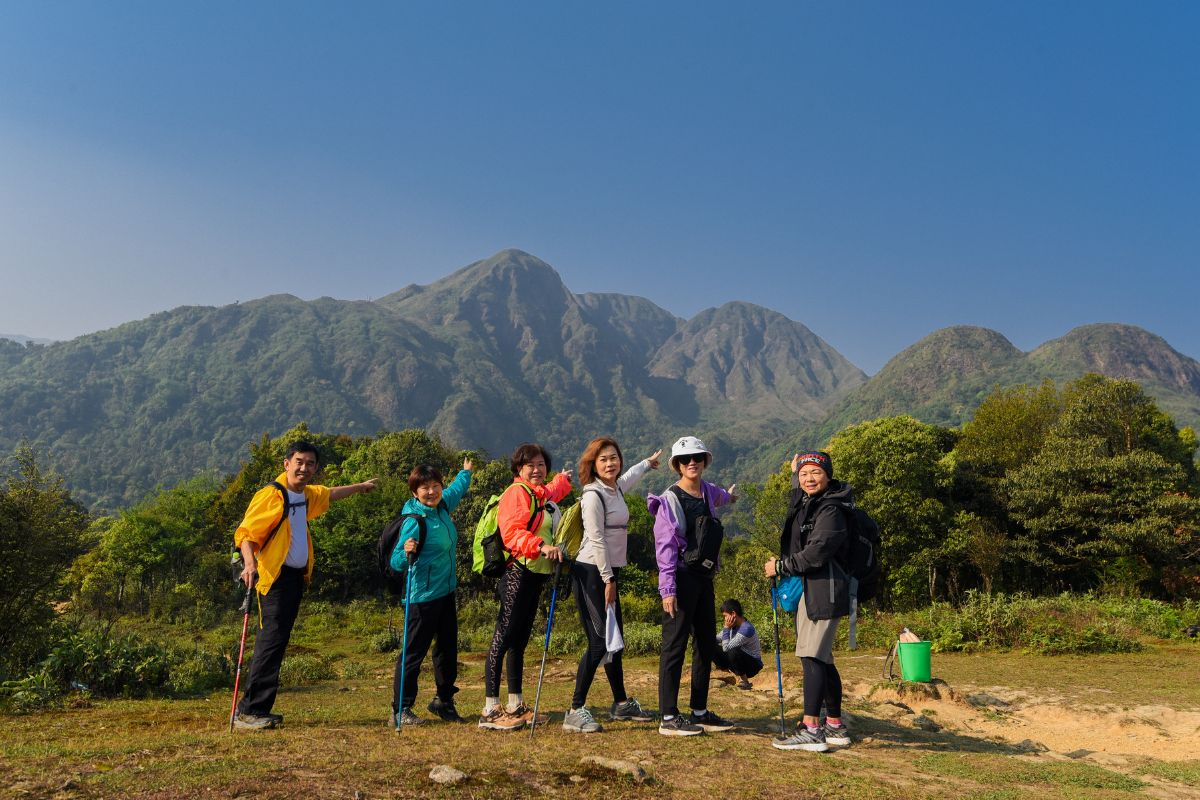
Vietnam Asia Travel designs Sapa trekking tours around each traveler’s needs, from route selection and trekking duration to combining Sapa with other destinations in Vietnam. The local team can recommend an itinerary based on your available time, interests, and preferred level of activity, while also helping arrange guides, transportation, and accommodation.
This gives travelers a well-prepared Sapa trekking journey without having to plan every detail themselves. You can focus on exploring terraced rice fields, local villages, and highland culture while adjusting the itinerary based on your available time and preferred pace. For journeys that combine multiple destinations, the services can also be arranged together for a smoother travel experience.
Depending on your needs, you can choose a short trekking experience or combine Sapa with other destinations as part of a wider Vietnam journey. This is also an option for travelers who want a more personalized experience rather than following a fixed itinerary.
Conclusion
Sapa trekking is an engaging way to discover the mountains, terraced rice fields, and highland culture from a closer perspective. Depending on your time, fitness level, and interests, you can choose a suitable route or combine trekking with a journey across several destinations in Vietnam. If you are looking for a personalized journey, contact Vietnam Asia Travel for advice and help planning a trip that suits your needs.
FAQs – Frequently Asked Questions About Sapa Trekking
What is Sapa trekking?
Sapa trekking is a way to explore the mountains, terraced rice fields, and local villages around Sapa on foot.
Is Sapa trekking suitable for beginners?
Yes. Beginners should choose shorter routes with easier terrain that match their fitness level.
What is the best time for Sapa trekking?
The best time for trekking in Sapa depends on the weather and the scenery you want to experience.
Do I need a guide for trekking in Sapa?
A guide is not always required, but one can be helpful for longer routes or more challenging terrain.
What should I prepare for Sapa trekking?
Bring trekking shoes with good grip, drinking water, snacks, and clothing suitable for the weather.