Hue Vietnam is a timeless destination in central Vietnam, known for its imperial heritage, poetic landscapes, and rich cultural identity. From ancient citadels to tranquil rivers, this historic city offers a unique blend of tradition and authenticity that captivates every traveler. Whether you’re seeking cultural exploration, local cuisine, or a peaceful escape, Hue promises an unforgettable journey. For a seamless travel experience, visitors can explore curated tours and services through Vietnam Asia Travel DMC, a trusted local expert.
Introduction to Hue Vietnam
Hue Vietnam is one of the most captivating cultural destinations in central Vietnam, known for its imperial heritage, tranquil landscapes, and timeless charm. This historic city offers travelers a perfect blend of history, culture, and authentic local experiences.
Overview of the Destination
Hue Vietnam was once the imperial capital of the Nguyen Dynasty, and its legacy continues to shape the city’s identity today. Nestled along the banks of the Perfume River, the city is surrounded by lush greenery, traditional villages, and historic landmarks that create a peaceful and poetic atmosphere. Unlike Vietnam’s larger urban centers, Hue feels slower and more reflective, making it an ideal destination for those who want to explore at a relaxed pace.
Visitors following a Hue travel guide will quickly notice the harmony between nature and architecture. Ancient citadels, pagodas, and royal tombs are not just isolated attractions—they are integrated into the natural landscape, creating a sense of balance that defines the city’s charm. Walking through Hue Vietnam, travelers can experience quiet streets, tree-lined boulevards, and a lifestyle that remains deeply connected to tradition.
Cultural and Historical Significance
Hue Vietnam holds a special place in the country’s history as the political, cultural, and religious center under the Nguyen emperors for more than a century. During this period, the city became a symbol of imperial power, refined art, and scholarly tradition. Today, its legacy is preserved through a vast complex of monuments recognized by UNESCO as a World Heritage Site.
The historical depth of Hue Vietnam is evident in its architecture, from grand palaces and fortified walls to intricate temples and royal tombs scattered across the countryside. Each structure tells a story about the emperors who once ruled, their philosophies, and their connection to nature and spirituality. Beyond physical landmarks, the city also preserves intangible heritage such as court music, traditional ceremonies, and artisanal crafts that continue to thrive.
Why Visit Hue Today
Hue Vietnam continues to attract modern travelers thanks to its unique combination of authenticity, cultural richness, and peaceful surroundings. While many destinations in Southeast Asia are becoming increasingly commercialized, Hue has managed to retain its original character, offering a more genuine travel experience.
One of the key reasons to visit Hue Vietnam is the opportunity to immerse yourself in a slower lifestyle. Travelers can spend time cycling through quiet villages, taking a boat ride along the Perfume River, or simply enjoying the calm ambiance of historic sites without overwhelming crowds. This relaxed environment makes Hue particularly appealing for couples, solo travelers, and anyone seeking a break from busy city life.
Best Time to Visit Hue Vietnam
Hue Vietnam experiences a tropical monsoon climate, which means the weather can vary significantly throughout the year. Understanding seasonal changes will help travelers plan a more enjoyable and comfortable trip.
Climate Overview
Hue Vietnam is known for its distinct wet and dry seasons, with temperatures generally remaining warm year-round. The city often experiences higher humidity compared to other regions in Vietnam, which can make the weather feel hotter than it actually is. Rainfall plays a major role in shaping the travel experience, especially during the later months of the year.
For those researching Hue weather best time to visit, it’s important to note that the climate can influence everything from sightseeing conditions to outdoor activities. While some travelers enjoy the moody atmosphere brought by light rain, others may prefer clearer skies and milder temperatures.
Seasonal Travel Guide
Hue Vietnam is typically at its best between March and August, when the weather is relatively dry and sunny. During this period, visitors can comfortably explore historical sites, take boat trips along the Perfume River, and enjoy outdoor activities without frequent interruptions from rain. April to June is particularly popular thanks to clear skies and vibrant scenery.
From September to February, Hue Vietnam enters its rainy season, with occasional heavy showers and even flooding in certain months. While this may seem less ideal, it also offers a quieter travel experience with fewer tourists and a more peaceful atmosphere. Travelers who don’t mind the rain can still enjoy cultural attractions and indoor experiences.
Festivals and Cultural Events
Hue Vietnam is not only defined by its weather but also by its vibrant cultural calendar. One of the most notable events is the Hue Festival, held every two years, which showcases traditional performances, royal ceremonies, and artistic exhibitions. This is an excellent time for visitors to experience the city’s heritage in a lively and immersive way.
In addition to major festivals, Hue Vietnam also celebrates various local and religious events throughout the year. These occasions provide a deeper understanding of local traditions and offer unique experiences that go beyond typical sightseeing. Planning your trip around these events can add an extra layer of richness to your journey.
Top Attractions in Hue Vietnam
Hue Vietnam is home to some of the most remarkable historical and cultural landmarks in the country. From ancient royal complexes to peaceful spiritual sites, the city offers a wide range of attractions that reflect its imperial past and timeless beauty.
Imperial City (Citadel)
Hue Vietnam is best known for its iconic Imperial City, a vast complex that once served as the political and cultural center of the Nguyen Dynasty. Surrounded by thick stone walls and a protective moat, the citadel houses palaces, temples, gates, and courtyards that showcase traditional Vietnamese architecture and royal symbolism.
Often highlighted among the top Hue attractions, this UNESCO-listed site allows visitors to step back in time and explore the grandeur of Vietnam’s last royal dynasty. Walking through its gates, travelers can discover intricate details, ancient relics, and restored structures that tell the story of imperial life. The scale and historical depth of the Imperial City make it a must-visit landmark for anyone coming to Hue Vietnam.
For those interested in Vietnam’s historical capitals, Hoa Lu in Ninh Binh offers another fascinating perspective on the country’s royal past. As the former capital before Hue, it provides valuable insight into early dynastic history. Learn more here: Walking Through History At Hoa Lư Ancient Capital.
Thien Mu Pagoda
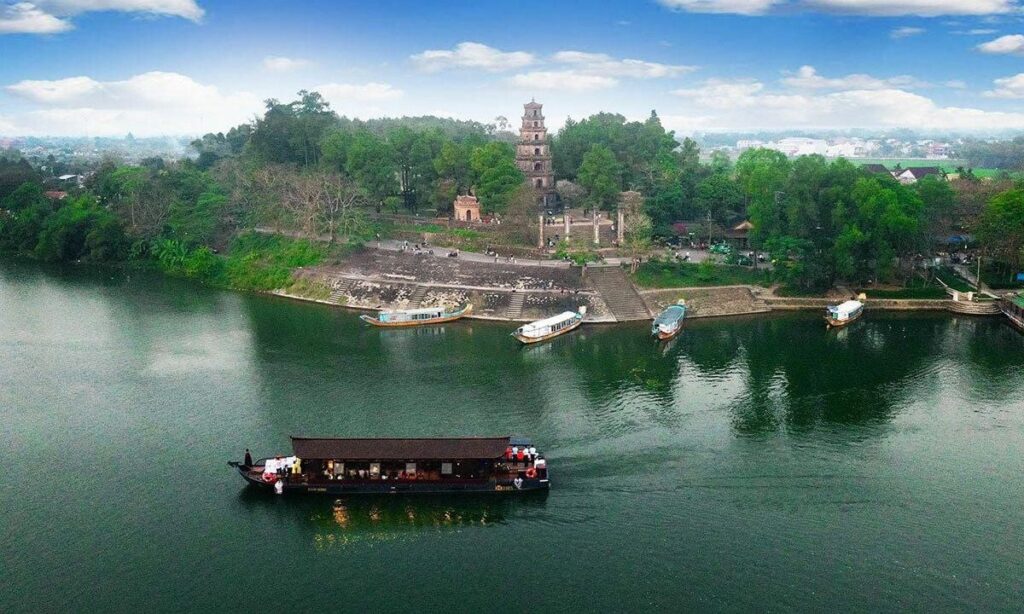
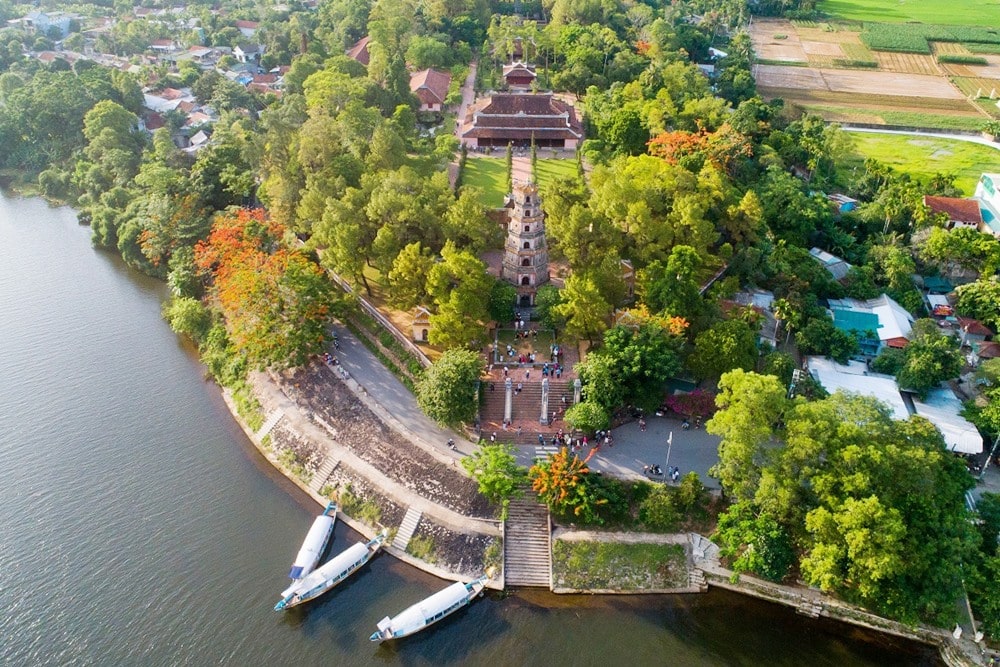
Hue Vietnam is also famous for Thien Mu Pagoda, one of the oldest and most sacred religious sites in central Vietnam. Located on a hill overlooking the Perfume River, this seven-story pagoda is an enduring symbol of the city and a place of spiritual significance for locals.
The peaceful setting, combined with its elegant architecture, creates a serene atmosphere that invites reflection and appreciation. Visitors to Hue Vietnam often come here not only for its historical importance but also to enjoy the scenic views and quiet surroundings. The pagoda’s timeless presence adds a spiritual dimension to the city’s cultural landscape.
Royal Tombs of the Nguyen Emperors
Hue Vietnam is renowned for its collection of royal tombs, each uniquely designed to reflect the personality and philosophy of the emperor it honors. Scattered across the countryside, these tombs are masterpieces of landscape architecture, blending natural elements with elaborate structures.
Among the most notable are the tombs of Minh Mang, Khai Dinh, and Tu Duc, each offering a distinct style and atmosphere. These sites are often associated with the historical legacy of the Hue Imperial City, as they extend the narrative of royal life beyond the citadel itself. Exploring these tombs provides a deeper understanding of the artistic and cultural values that defined the Nguyen Dynasty in Hue Vietnam.
Perfume River
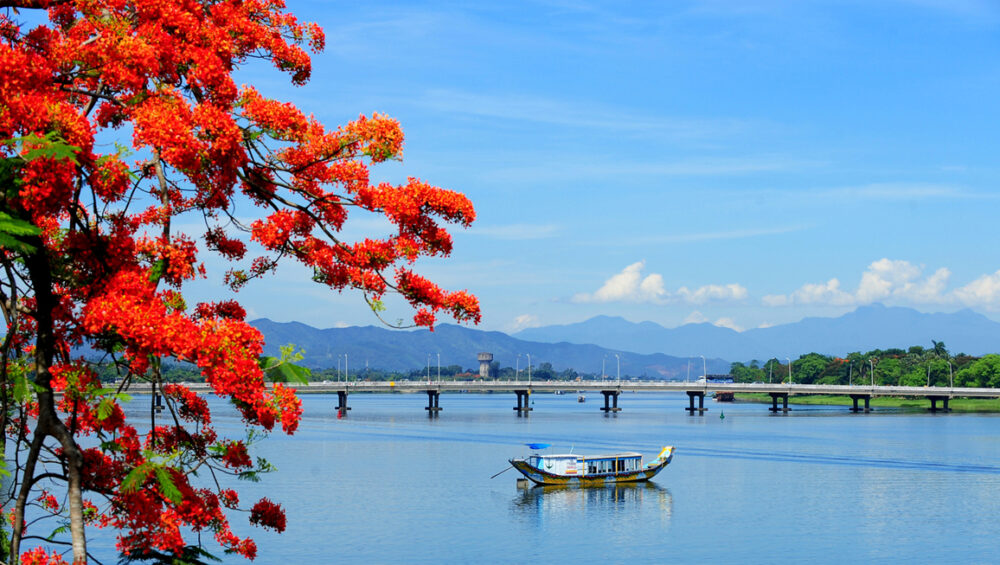
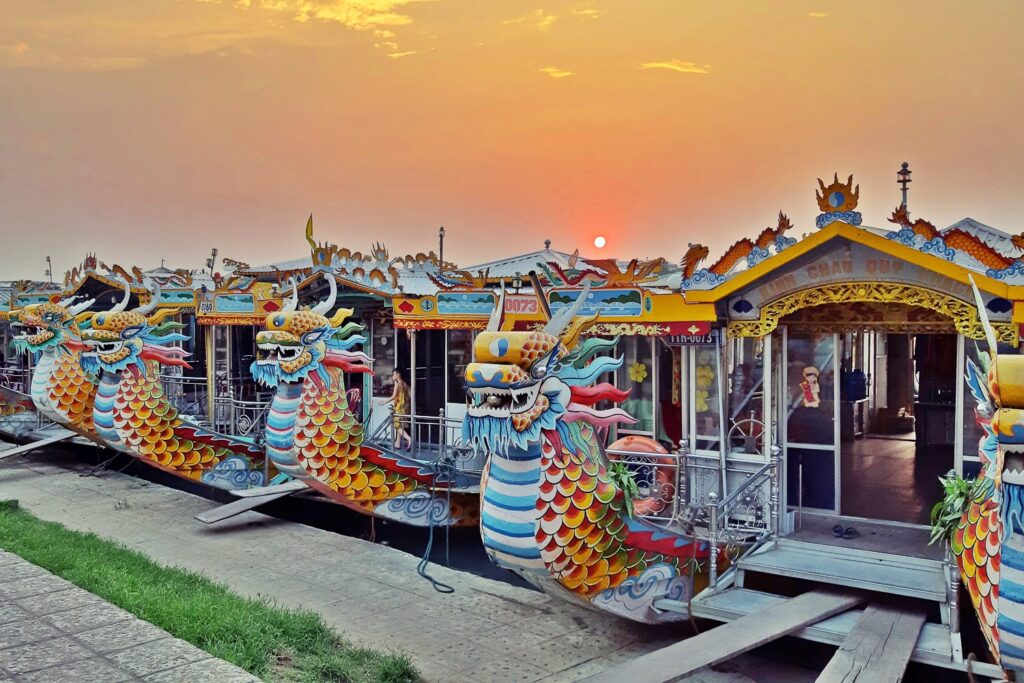
Hue Vietnam is gracefully divided by the Perfume River, a natural feature that plays a central role in the city’s identity. Flowing gently through the heart of Hue, the river adds a poetic charm and offers a different perspective of the city’s landmarks.
A boat ride along the river is one of the most relaxing ways to experience Hue Vietnam, especially during sunset when the surroundings take on a soft, golden glow. Along its banks, visitors can find temples, villages, and historical sites that highlight the close relationship between nature and daily life in Hue. The Perfume River is not just a scenic attraction—it is an essential part of the city’s cultural and historical fabric.
Best Things to Do in Hue Vietnam
Hue Vietnam offers a wide range of activities that go beyond sightseeing, allowing travelers to fully immerse themselves in the city’s culture, history, and daily life. From heritage exploration to hands-on experiences, there is something for every type of traveler.
Explore Cultural and Historical Experiences
Hue Vietnam is an ideal destination for those who appreciate culture and history, with countless opportunities to dive deeper into its imperial past. Visitors can spend hours wandering through ancient complexes, learning about royal traditions, and understanding the philosophical influences behind the city’s architecture.
Among the best things to do in Hue Vietnam is joining guided tours that provide context and stories behind each landmark. These experiences often include visits to temples, pagodas, and historical sites, giving travelers a richer perspective on the city’s heritage. Cultural performances such as traditional music shows also offer insight into the artistic life of the former royal court.
If you are interested in exploring more UNESCO heritage sites beyond the city, you can also consider destinations like Trang An in Ninh Binh, known for its stunning limestone landscapes and river cave systems. You can learn more about this experience here: A Scenic Journey Through Trang An Ninh Binh – Vietnam’s Natural Wonder.
Enjoy Outdoor Activities and Nature
Hue Vietnam is not only about history—it also offers plenty of outdoor experiences for nature lovers. The surrounding countryside is perfect for cycling, with quiet roads leading through rice fields, local villages, and scenic landscapes. This allows visitors to see a more authentic side of Hue beyond the main tourist attractions.
Boat trips along the Perfume River are another popular activity, providing a relaxing way to enjoy the city’s natural beauty. Whether during the day or at sunset, these experiences highlight the peaceful atmosphere that defines Hue Vietnam. Travelers can also explore nearby lagoons, beaches, and gardens, making the destination more diverse than it may first appear.
If you’re looking to expand your journey beyond central Vietnam, the Ha Giang Loop is one of the most iconic adventure routes in the country. Known for its breathtaking mountain scenery and winding roads, it provides a completely different experience compared to the peaceful charm of Hue. Learn more here: Conquering The Ha Giang Loop – A Complete Adventure Itinerary.
Discover Local Life and Traditions
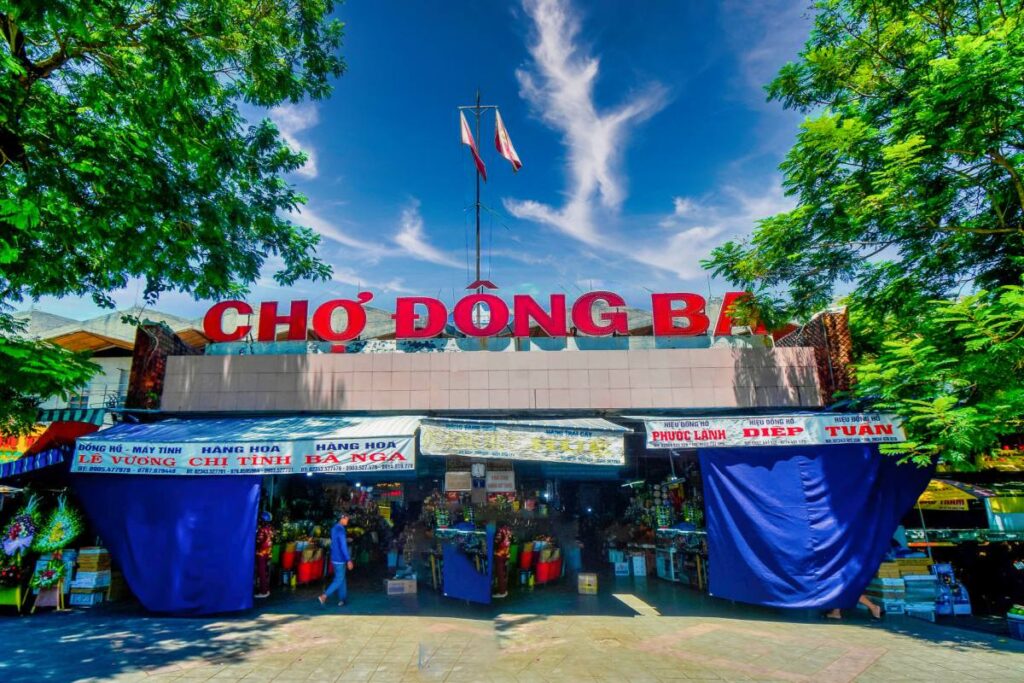
Hue Vietnam offers a unique opportunity to connect with local life through everyday experiences. Visiting traditional markets, interacting with artisans, and observing daily routines provide a deeper understanding of the city’s culture. These moments often become the most memorable parts of a trip.
Cooking classes are also highly recommended, allowing visitors to learn how to prepare traditional dishes while gaining insight into local culinary techniques. This hands-on experience reflects the cultural richness of Hue Vietnam and creates a meaningful connection between travelers and the destination.
Suggested Itinerary for a Short Stay
Hue Vietnam can be explored comfortably within a short timeframe, making it suitable for travelers with limited schedules. A well-planned Hue itinerary 2 days typically includes visits to major historical sites, cultural experiences, and time to relax by the river.
On the first day, visitors can focus on exploring the Imperial City and nearby landmarks, followed by an evening enjoying local cuisine or cultural performances. The second day can be dedicated to visiting royal tombs, cycling through the countryside, or taking a boat trip along the Perfume River. This balanced itinerary allows travelers to experience the essence of Hue Vietnam without feeling rushed.
What to Eat in Hue Vietnam
Hue Vietnam is widely celebrated for its distinctive cuisine, which reflects both royal traditions and everyday local flavors. The city’s food culture is refined, diverse, and deeply rooted in history, making it an essential part of any travel experience.
Must-Try Local Dishes
Hue Vietnam is famous for a variety of iconic dishes that showcase bold flavors, balanced spices, and artistic presentation. Among the most popular is bun bo Hue, a rich and aromatic noodle soup that perfectly represents the city’s culinary identity. Other must-try dishes include banh beo, banh nam, and banh khoai, each offering unique textures and flavors.
Often highlighted as part of Hue food specialties, these dishes are not only delicious but also reflect the region’s cultural heritage. Many recipes have been passed down through generations, preserving traditional cooking methods that make the cuisine of Hue Vietnam truly special.
Street Food Culture
Hue Vietnam offers a vibrant street food scene where visitors can experience authentic flavors at affordable prices. Small food stalls and local eateries line the streets, serving freshly prepared dishes that capture the essence of daily life in the city.
Exploring street food in Hue Vietnam is more than just eating—it’s about engaging with local culture. Travelers can observe how dishes are prepared, interact with vendors, and enjoy meals in a casual, welcoming environment. This immersive experience provides a deeper appreciation for the culinary traditions that define the city.
Unique Dining Experiences
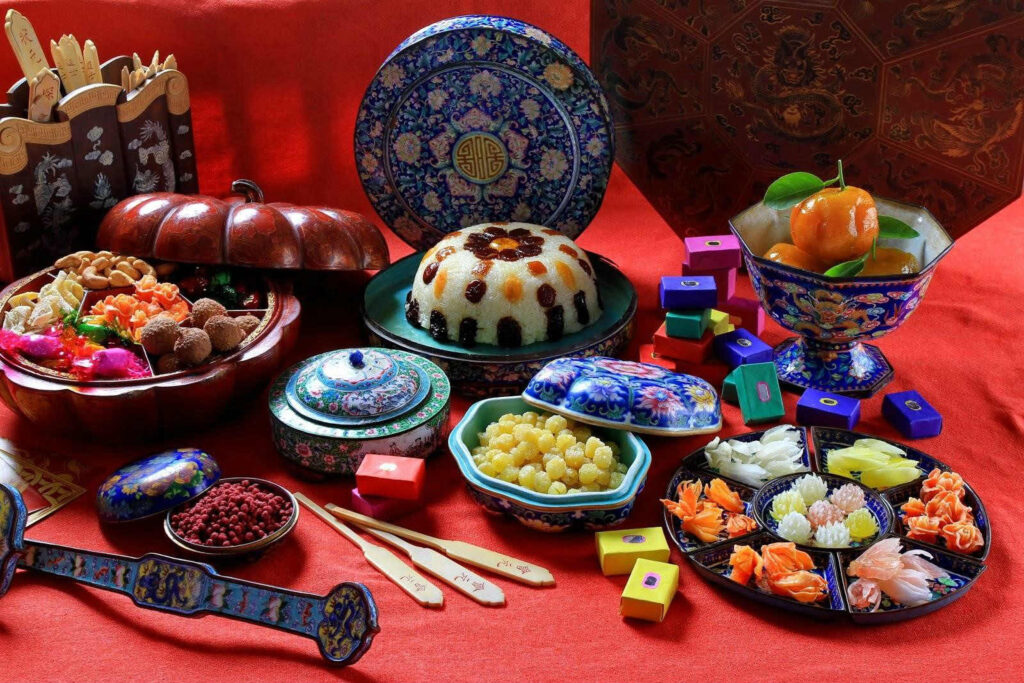
Hue Vietnam also offers unique dining experiences that go beyond traditional meals. Visitors can enjoy royal-style cuisine inspired by dishes once served in the imperial court, where presentation and balance are as important as taste. These meals often feature multiple courses, each carefully crafted to reflect the elegance of royal dining.
In addition, Hue Vietnam is an excellent place to join cooking classes, where travelers can learn to recreate local dishes using fresh ingredients and traditional techniques. These experiences not only enhance culinary knowledge but also create lasting memories connected to the city’s rich food culture.
Travel Tips for Visiting Hue Vietnam
Hue Vietnam is a relatively easy destination to explore, but a few practical tips can make your journey smoother and more enjoyable. From transportation to local etiquette, being prepared will help you make the most of your time in this historic city.
Transportation Guide
Hue Vietnam offers several convenient transportation options for travelers arriving from different parts of the country. Whether you choose to fly, take a train, or travel by bus, each option provides a unique experience depending on your budget and schedule. For those planning their route, understanding how to get to Hue Vietnam can help optimize travel time and comfort.
Once in the city, Hue Vietnam is best explored at a relaxed pace. Renting a bicycle or motorbike is a popular choice for independent travelers, while taxis and ride-hailing services are widely available for convenience. Walking is also a great way to discover hidden corners, especially around the city center and riverside areas.
Budget and Costs
Hue Vietnam is known for being one of the more affordable destinations in Vietnam, making it suitable for a wide range of travelers. Accommodation options vary from budget-friendly guesthouses to boutique hotels and luxury resorts, allowing visitors to choose based on their preferences.
Daily expenses in Hue Vietnam are generally reasonable, with food, transportation, and entrance fees offering good value for money. Travelers can enjoy high-quality meals, cultural experiences, and sightseeing activities without overspending. Planning a budget in advance can help ensure a comfortable and stress-free trip.
Travel Tips and Local Etiquette
Hue Vietnam has a strong cultural identity, and respecting local customs will enhance your travel experience. When visiting temples, pagodas, or historical sites, it is recommended to dress modestly and behave respectfully. This not only shows appreciation for local traditions but also helps preserve the cultural integrity of these places.
In addition, Hue Vietnam is known for its friendly and welcoming locals, so simple gestures such as greeting people politely or learning a few basic Vietnamese phrases can go a long way. Being mindful of local habits, such as removing shoes when required or asking permission before taking photos, will make your interactions more positive and meaningful.
Conclusion
Hue Vietnam stands out as a destination where history, culture, and tranquility come together to create a truly unique travel experience. From exploring ancient imperial landmarks to enjoying peaceful riverside moments and discovering rich culinary traditions, the city offers something meaningful for every type of traveler. Its slower pace and authentic atmosphere make it an ideal place to connect with the cultural heart of central Vietnam.
If you are planning your next journey, Hue Vietnam is a destination that promises both inspiration and unforgettable memories. To make your trip seamless and enriching, consider booking with Vietnam Asia Travel DMC, where you can access expertly designed itineraries, local insights, and personalized travel services tailored to your needs.