Discover Ha Giang Loop in Northern Vietnam with Vietnam Asia Travel DMC. Explore mountain passes, Dong Van Plateau, and vibrant highland culture.
Ha Giang, located in the far North of Vietnam, is a must-visit destination for travelers seeking dramatic limestone landscapes, untouched nature, and authentic highland culture. Famous for the legendary Ha Giang Loop, this iconic motorbike route takes you through breathtaking mountain passes, winding roads, and remote ethnic villages.
From the spectacular Ma Pi Leng Pass to the vast Dong Van Karst Plateau and vibrant local highland markets, Ha Giang offers a perfect blend of natural beauty and cultural immersion. This comprehensive guide by Vietnam Asia Travel DMC will help you plan a safe, meaningful, and unforgettable journey through one of Vietnam’s most stunning regions.
1. Introduction to Ha Giang – The Northern Frontier of Vietnam
Ha Giang is the northernmost province of Vietnam, widely known as the “first step of the nation.” This remote highland destination is famous for its breathtaking limestone mountains, dramatic karst landscapes, winding passes, and some of the most spectacular scenery in Southeast Asia. For international travelers seeking raw natural beauty and authentic cultural experiences, Ha Giang is one of the most unforgettable destinations in the country.
The region is especially famous for the Ha Giang Loop, a legendary motorbike route that takes travelers through towering mountain passes, deep valleys, and ethnic minority villages. This iconic journey has become a must-do experience for adventure seekers exploring northern Vietnam.
Ha Giang is home to more than 20 ethnic groups, including the H’Mong, Dao, Tay, and Nung people. Each community preserves its own language, traditional clothing, cuisine, and customs, creating a rich cultural mosaic. Traveling through Ha Giang is not only about admiring landscapes, but also about immersing yourself in the deeply rooted heritage of Vietnam’s highlands.
The climate here is divided into two main seasons: the rainy season and the dry season. From September onwards, the weather becomes cooler and clearer, making it the most popular time for visitors. This period also marks the blooming of buckwheat flowers, golden rice terraces, and seasonal blossoms such as peach, plum, and pear flowers, each painting the mountains in a different shade of beauty.
Beyond its natural charm, Ha Giang is also known for its iconic mountain passes.
One of the most famous is Ma Pi Leng Pass, often regarded as one of the “Four Great Passes” of northern Vietnam. Other notable cultural stops include traditional villages such as Lung Cu, Pho Bang, and Sung La, where time seems to stand still and ancient highland life is preserved in its most authentic form. With its combination of majestic landscapes, cultural diversity, and the legendary Ha Giang Loop, this region offers a truly immersive journey for travelers seeking both adventure and cultural discovery.
2. Best Time to Visit Ha Giang – A Complete Guide to the Ha Giang Loop
Ha Giang is one of the most breathtaking destinations in northern Vietnam, famous for its dramatic limestone mountains, winding passes, and the iconic Ha Giang Loop route. Thanks to its distinct seasons and diverse landscapes, Ha Giang offers a completely different experience throughout the year, making it a destination worth visiting more than once. Below is a detailed breakdown of the best time to plan your journey.
2.1 Buckwheat Flower Season (October – November)
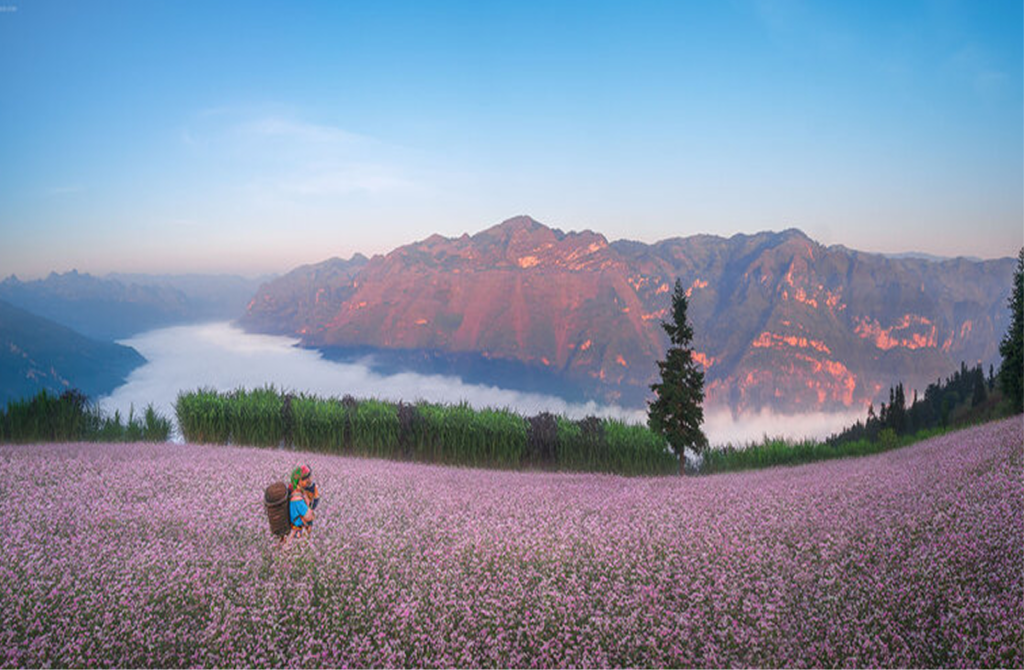
This is widely considered the best time to travel the Ha Giang Loop. During this period, vast fields of buckwheat flowers bloom across the rocky plateau, painting the landscapes in soft pink and purple tones. Key destinations such as Dong Van District, Sung La Valley, Pho Cao, and Lung Cu Flag Tower become even more magical. This season also features the Buckwheat Flower Festival, where visitors can enjoy cultural performances, local cuisine, and ethnic traditions of the highland communities.
2.2 Golden Rice Terraces Season (September)
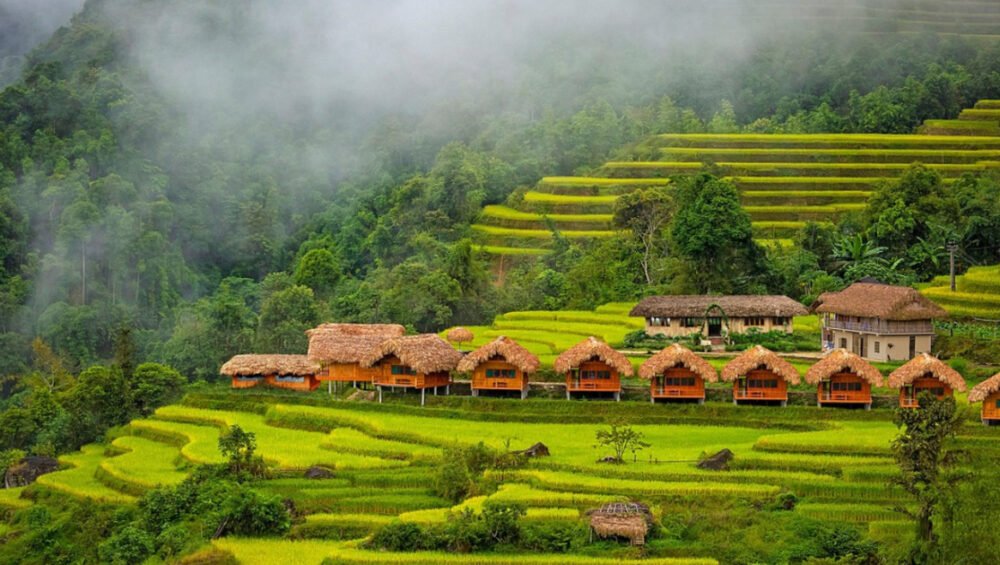
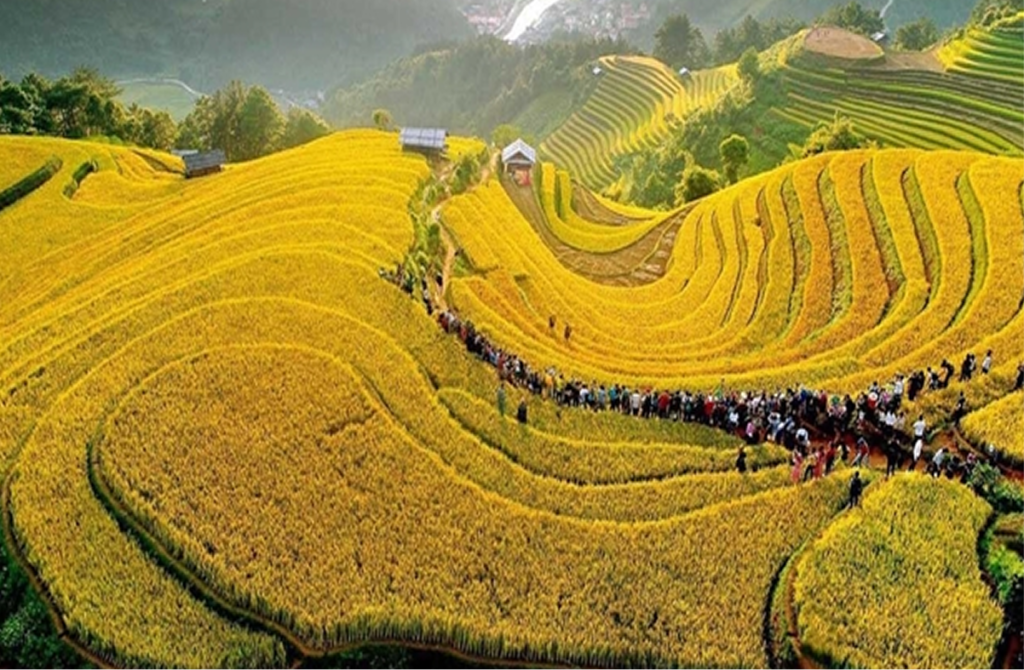
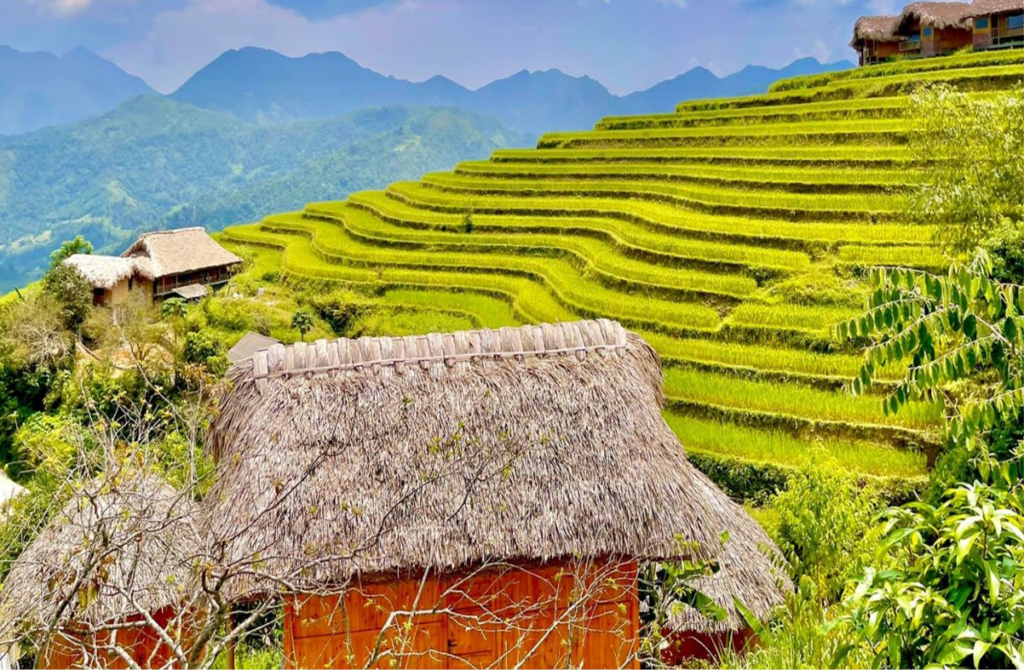
September is the perfect time for those who love golden landscapes and peaceful rural scenery. The rice terraces in Hoang Su Phi District turn into shimmering layers of gold as harvest season begins. Combined with morning mist and soft sunlight, this creates one of the most photogenic landscapes in Vietnam. For many travelers completing the Ha Giang Loop, Hoang Su Phi is often considered a hidden gem outside the main route but absolutely worth the detour.
2.3 Peach, Plum & Pear Blossom Season (January – March)
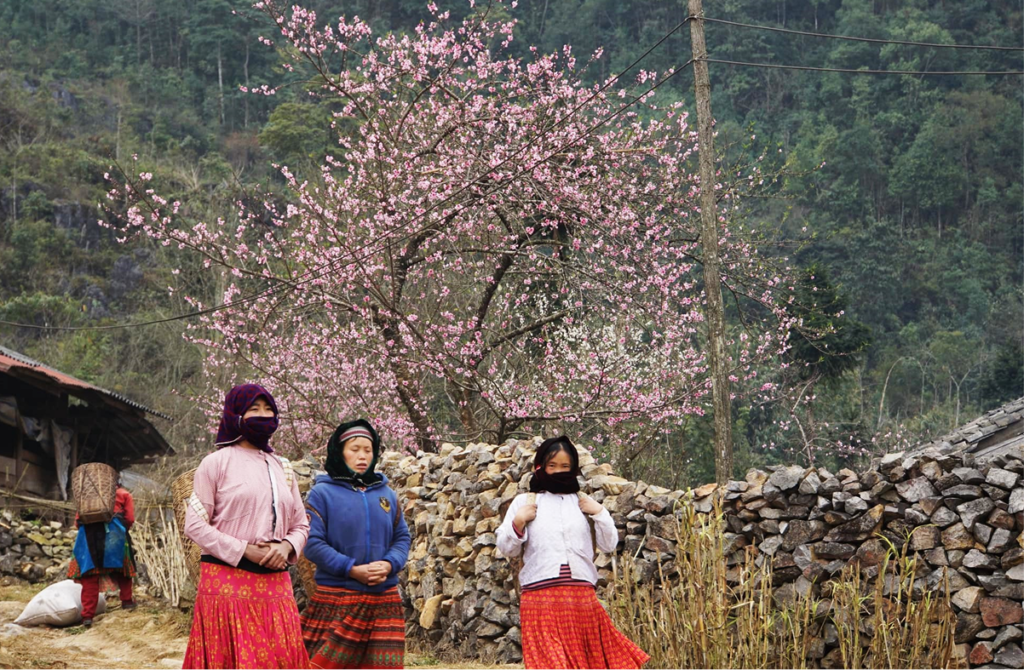
At the beginning of the year, Ha Giang transforms into a delicate floral paradise. Villages such as Pho Bang and Sung La Valley are covered with blooming peach, plum, and pear flowers, creating a soft and romantic atmosphere. This period also coincides with traditional festivals such as Gau Tao and local spring celebrations, offering deep cultural immersion for travelers exploring the Ha Giang Loop.
2.4 Water Pouring Season (May – June)
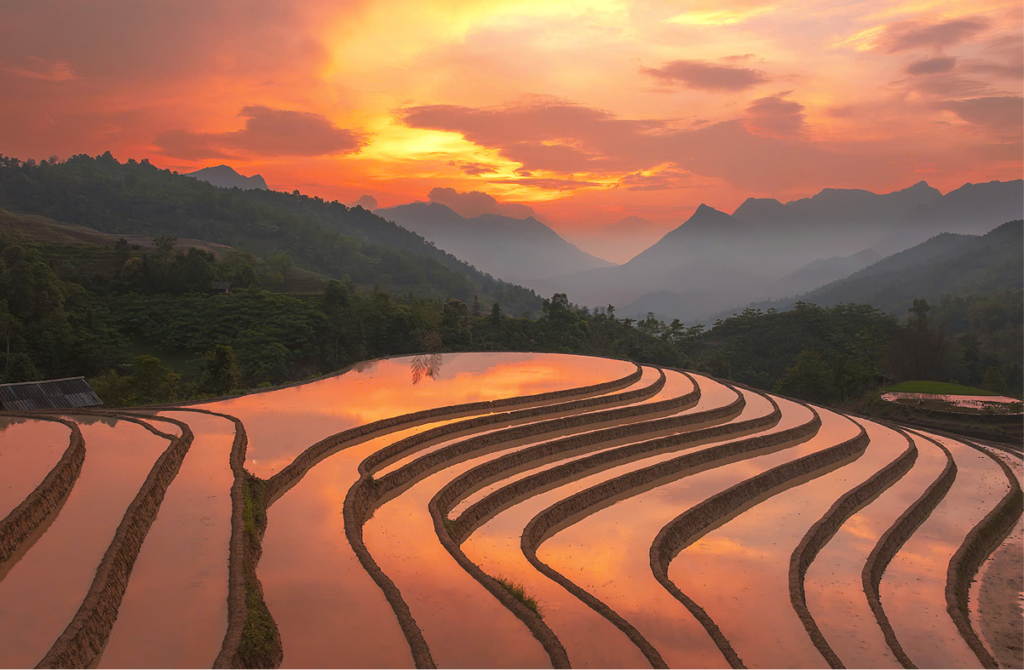
This is a lesser-known but highly unique time to visit. Farmers channel water from mountain streams into terraced fields, turning the rice terraces of Hoang Su Phi District into giant reflective mirrors. The scenery changes constantly with the sky, clouds, and light, making it a dream location for landscape photography. For travelers seeking a quieter experience on the Ha Giang Loop, this season offers a more peaceful and authentic atmosphere.
2.5 Dry Season – Best for Riding the Ha Giang Loop (September – April)
The dry season is the most recommended period for motorbike travel along the Ha Giang Loop. From late autumn to early spring, the weather is generally dry, cool, and stable. Visibility is excellent, making it ideal for conquering legendary mountain passes such as Ma Pi Leng Pass and the winding roads of Dong Van Karst Plateau. This is the peak season for adventure travelers who want safe and comfortable riding conditions.
2.6 Rainy Season Notice (June – August)
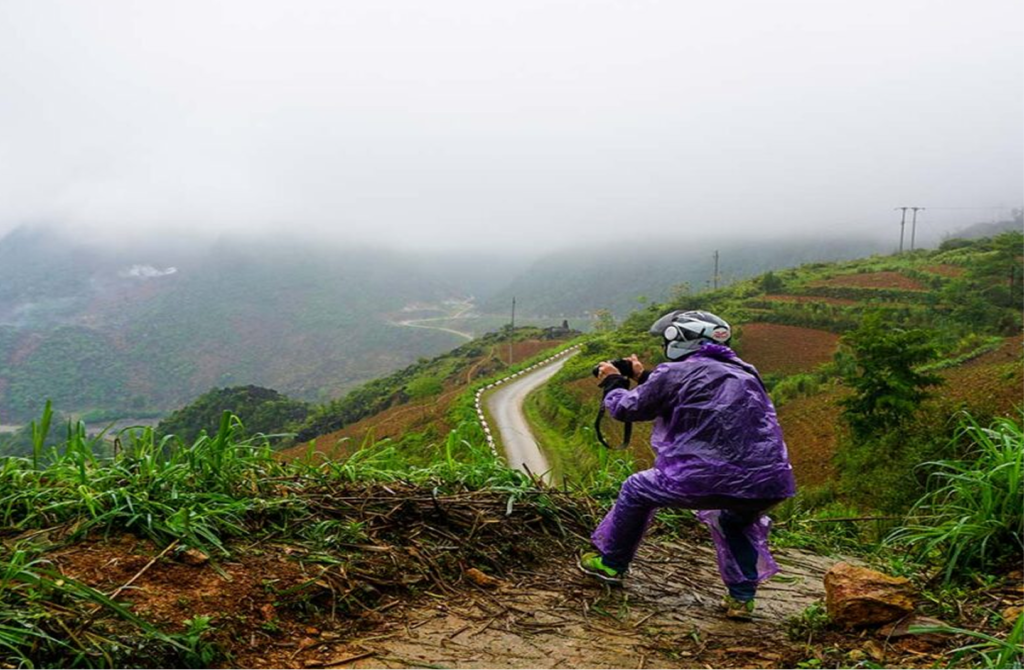
While summer brings lush green landscapes, it is also the rainy season in Ha Giang. Heavy rains can make mountain roads slippery, and occasional landslides may occur in remote areas. Travelers planning the Ha Giang Loop during this time should carefully check weather conditions and travel with caution. However, for those who enjoy vibrant greenery and fewer tourists, this season still offers a unique perspective of Ha Giang’s natural beauty.
3. Destinations You Should Not Miss to Ha Giang Loop
The Ha Giang Loop is one of the most breathtaking road journeys in Southeast Asia, attracting travelers who seek raw landscapes, authentic ethnic culture, and dramatic mountain scenery. Located in Northern Vietnam near the Chinese border, this legendary route takes you through limestone mountains, deep valleys, winding passes, and traditional ethnic villages. Below are the most iconic destinations along the Ha Giang Loop route that every traveler should explore.
3.1 Dong Van Karst Plateau Geopark
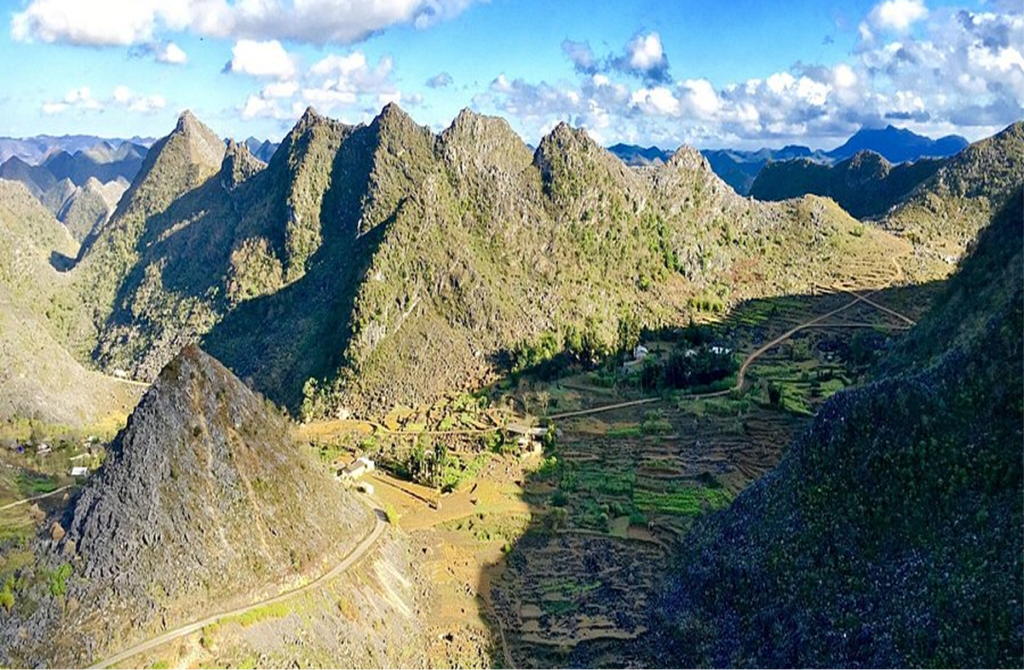
Dong Van Karst Plateau Geopark is the heart of the Ha Giang Loop and a UNESCO-recognized global geopark. This massive limestone landscape was formed hundreds of millions of years ago and stretches across Quan Ba, Yen Minh, Dong Van, and Meo Vac.
Traveling through this area, you will witness endless layers of rocky mountains, terraced cornfields, and traditional earthen houses of ethnic minorities such as the Hmong, Dao, and Lo Lo people. The scenery feels untouched and timeless, making it a must-see highlight of any Ha Giang Loop itinerary.
3.2 Ma Pi Leng Pass
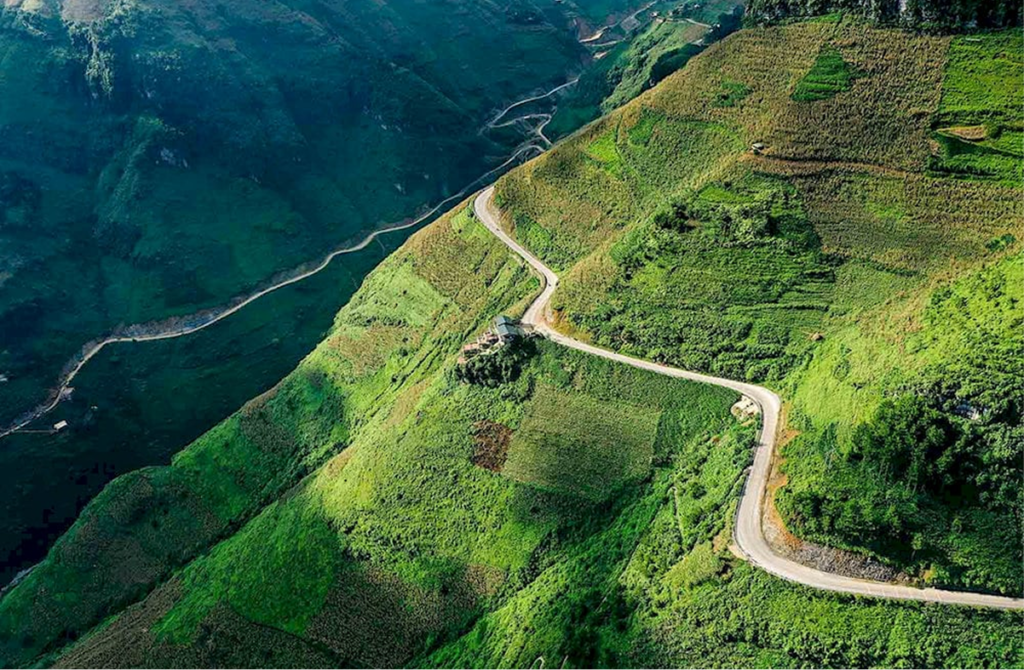
Ma Pi Leng Pass is often called the “king of mountain passes” in Vietnam and is one of the most iconic sections of the Ha Giang Loop.
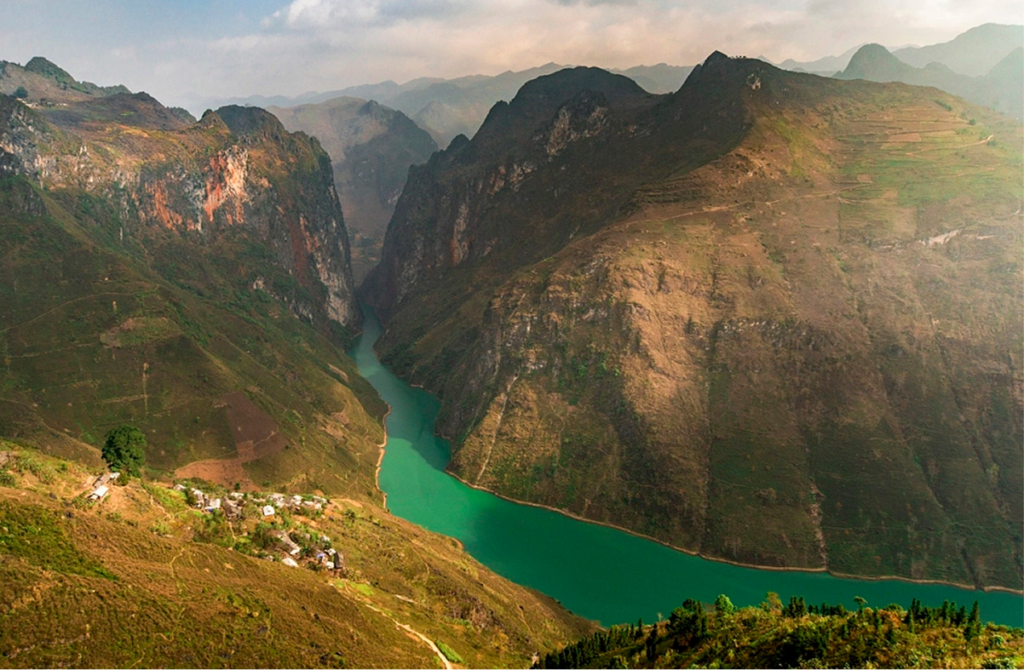
The road winds along steep cliffs overlooking the emerald Nho Que River far below. On clear days, clouds drift between the mountains, creating a surreal floating landscape. This pass is not just about sightseeing, it is also about the feeling of conquest and freedom that defines the Ha Giang Loop experience.
3.3 Lung Cu Flag Tower – Northernmost Point of Vietnam
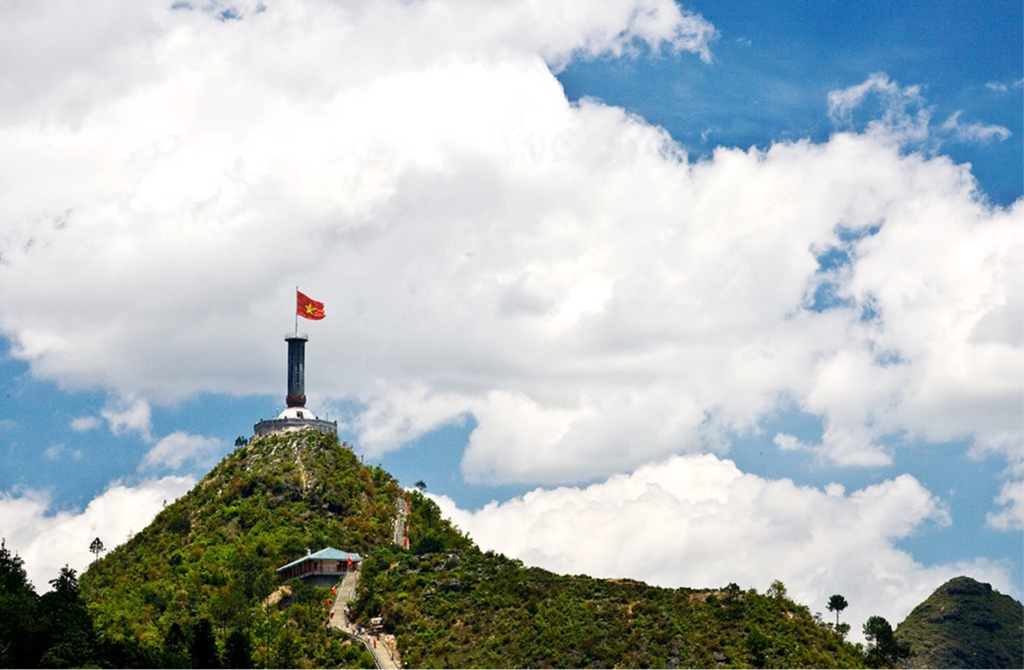
Lung Cu Flag Tower marks the northernmost point of Vietnam. The massive national flag flying at the top symbolizes national pride and sovereignty. After climbing more than 1,400 meters above sea level, visitors are rewarded with panoramic views of mountains, valleys, and small ethnic villages. Nearby, you can also explore traditional communities that preserve their centuries-old way of life.
3.4 Dong Van Ancient Town & Weekend Market
Dong Van Old Quarter is a charming historic town with over 100 years of history. Its stone houses reflect a unique blend of Vietnamese and Chinese architectural styles.
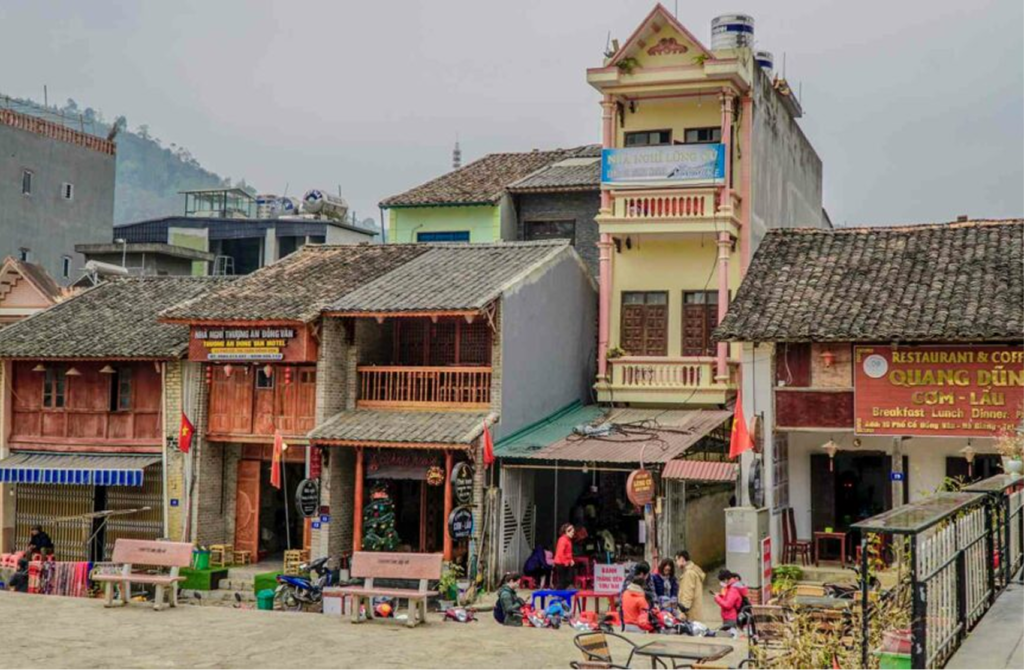
At night, warm yellow lights illuminate the old streets, creating a nostalgic atmosphere. On weekends, the Dong Van market becomes lively with local food such as thang co, corn wine, and buckwheat cakes, an essential cultural experience on the Ha Giang Loop.
3.5 Lo Lo Chai Village
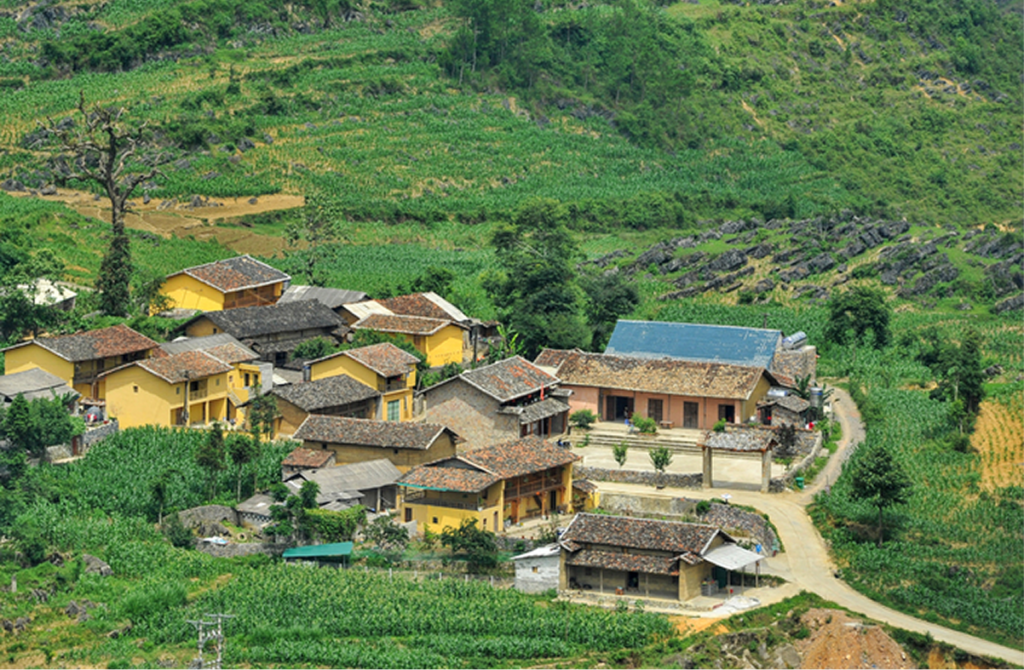
Lo Lo Chai Village lies at the foot of Lung Cu Flag Tower and is home to the Lo Lo ethnic group. This peaceful village is known for its traditional clay houses, stone fences, and wooden gates. Travelers often stay overnight in homestays to experience local life, enjoy cultural performances like fire dancing, and admire sunrise views over the mountains.
3.6 Nho Que River & Tu San Canyon
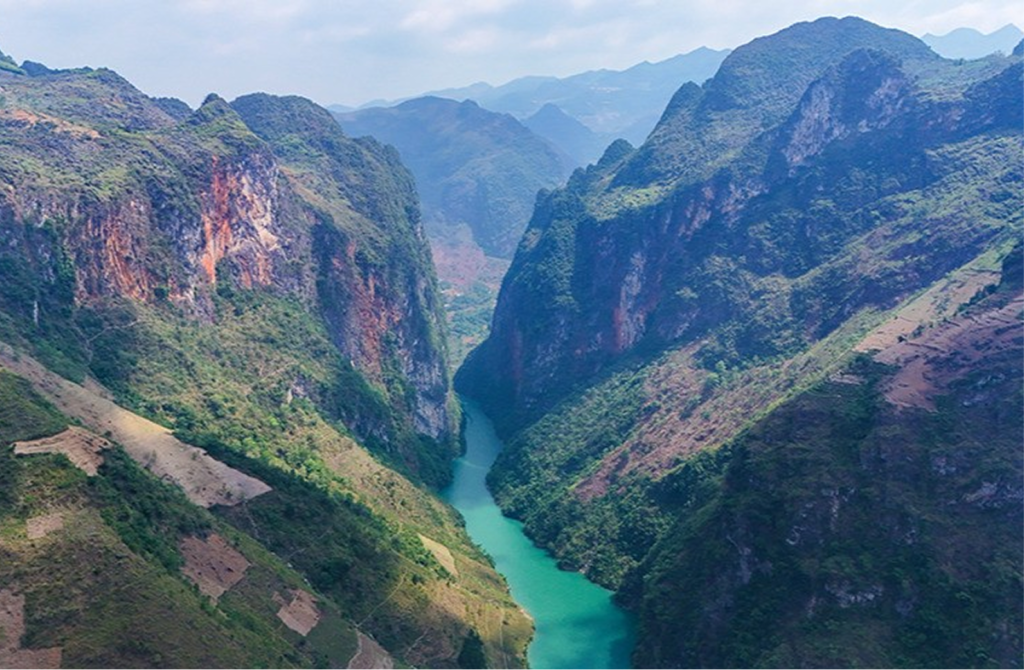
Nho Que River and Tu San Canyon offer one of the most spectacular natural experiences on the Ha Giang Loop.
The emerald-green river flows through the deepest canyon in Southeast Asia, surrounded by towering limestone cliffs. Travelers can take a boat ride or kayak to fully immerse themselves in the breathtaking scenery.
3.7 Hoang Su Phi Terraced Rice Fields
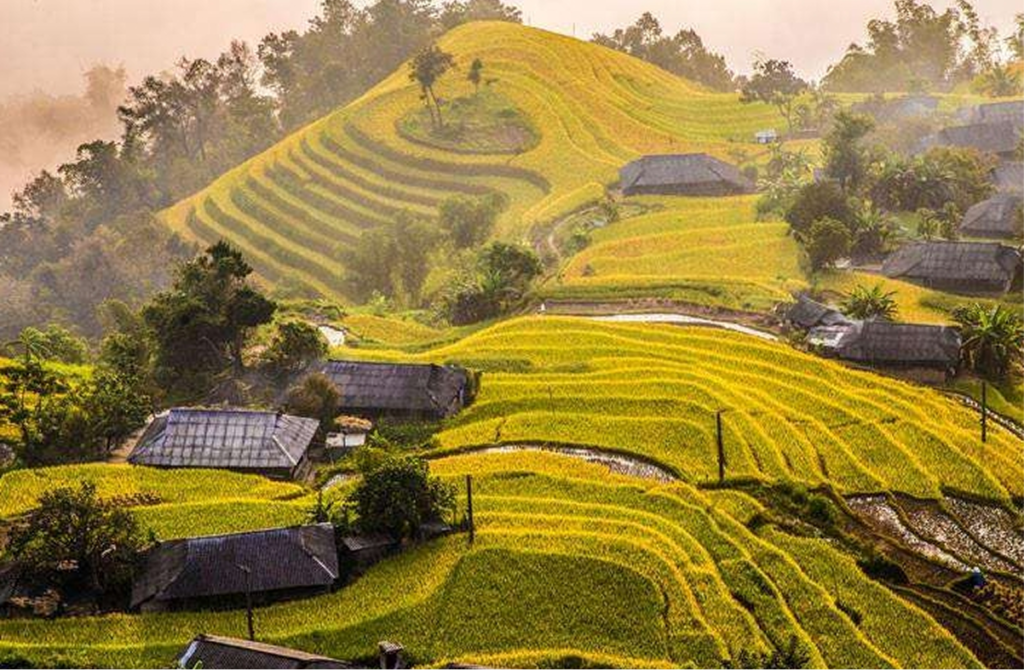
Hoang Su Phi Rice Terraces is famous for its ancient terraced rice fields, recognized as a national heritage site. During harvest season (September to October), the entire mountainside turns golden, creating one of the most beautiful landscapes in Vietnam. Even outside the harvest season, misty mountains and traditional ethnic villages make this area a peaceful escape.
3.8 Vuong Family Mansion (Hmong King’s Palace)
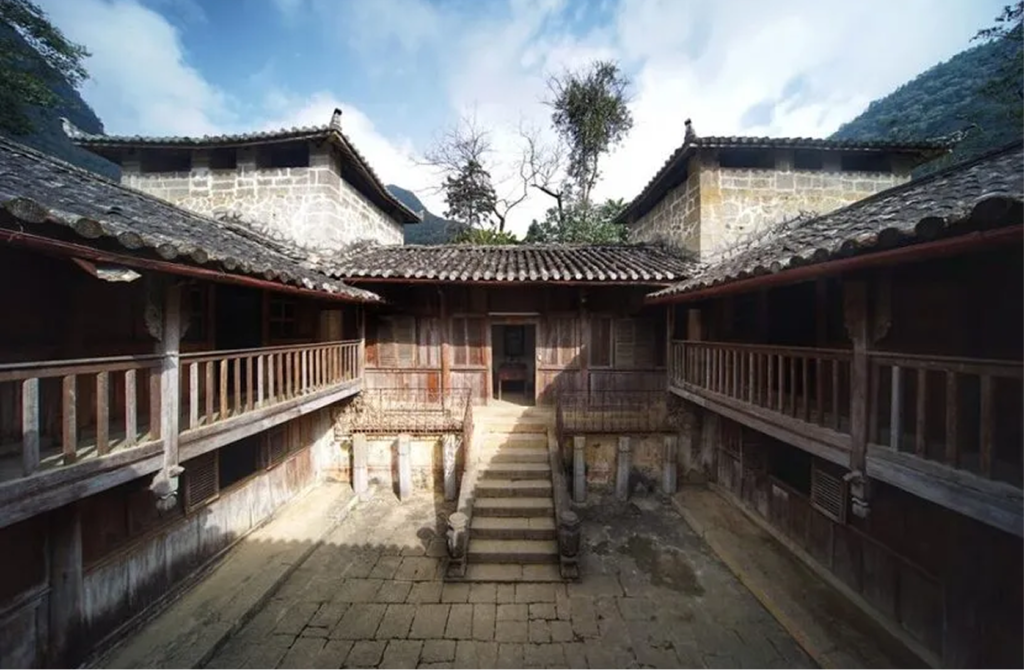
Vuong Family Mansion is a historic residence built more than 100 years ago. It reflects a unique blend of Hmong, Chinese, and French architectural styles. Walking through its stone courtyards and wooden halls gives visitors a glimpse into the powerful history of the Vuong family and the cultural heritage of the region.
3.9 Quan Ba Twin Mountains
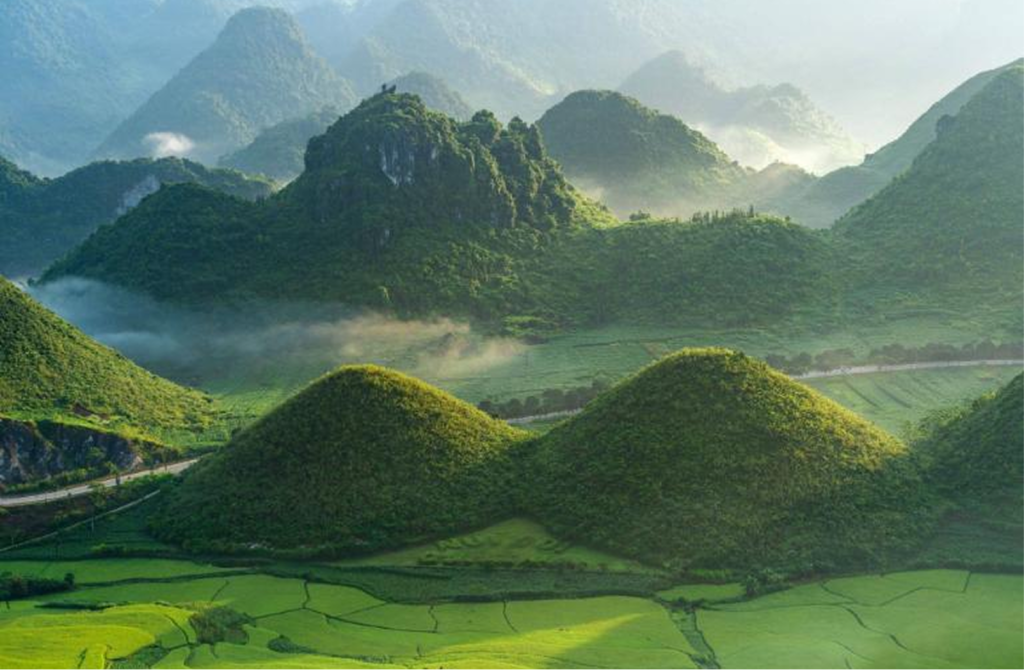
Quan Ba Twin Mountains, also known as the Fairy Bosom Mountains, are one of the most iconic natural symbols of Ha Giang. Located near Heaven’s Gate Pass, these perfectly shaped twin hills stand in contrast to the lush green valley below. The view becomes even more magical during rice season when the fields turn golden.
3.10 Ethnic Villages of Ha Giang
Beyond famous landmarks, the Ha Giang Loop is also about discovering peaceful ethnic villages such as:
- Thon Tha Village – traditional Tay stilt houses and clear streams
- Pho Bang Ancient Town – quiet Chinese-style old town
- Pho Cao Village – rustic highland charm
- Sung La Valley – flower valley and “Pao’s House” filming location
- Lao Xa Village – peaceful Hmong settlement surrounded by mountains
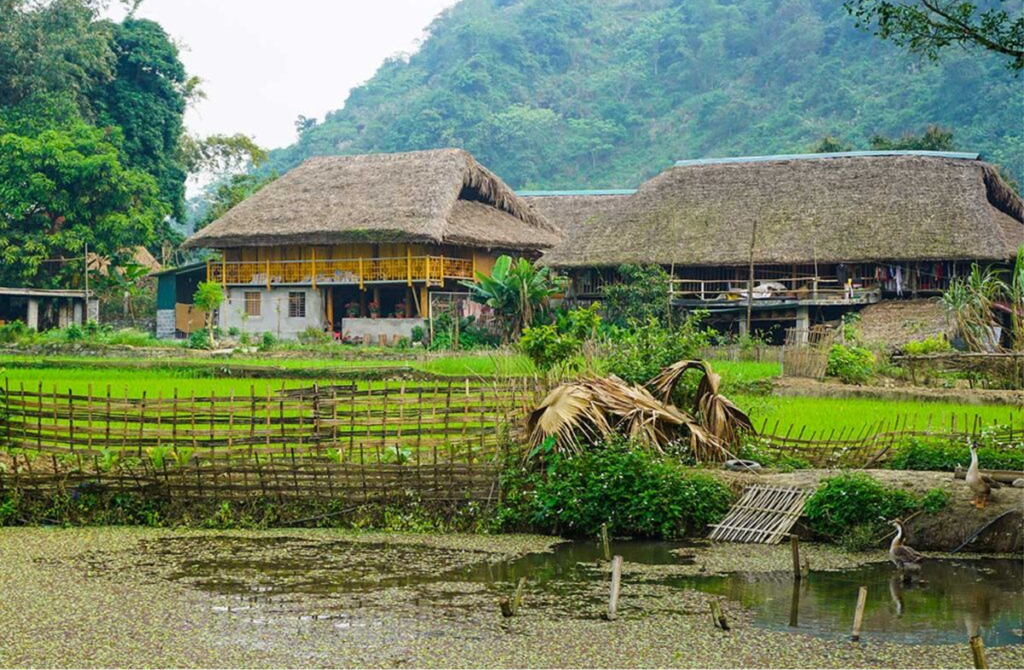
Each village offers a deeper understanding of local culture, traditions, and slow-paced mountain life.
4. What To Eat On The Ha Giang Loop?
Exploring the Ha Giang Loop is not only about dramatic mountain passes and epic views. It is also a journey into one of the most authentic food cultures in Vietnam. Ha Giang cuisine leaves a lasting impression with its rustic yet bold flavors, created from local mountain ingredients and traditional cooking methods of ethnic groups such as Hmong, Dao, Tay, and Lo Lo.
From vibrant local markets to quiet villages, every stop along the Ha Giang Loop offers a chance to taste dishes that carry deep cultural stories. Here are the must-try foods you should not miss.
4.1 Thang Co (Traditional Horse Meat Stew)
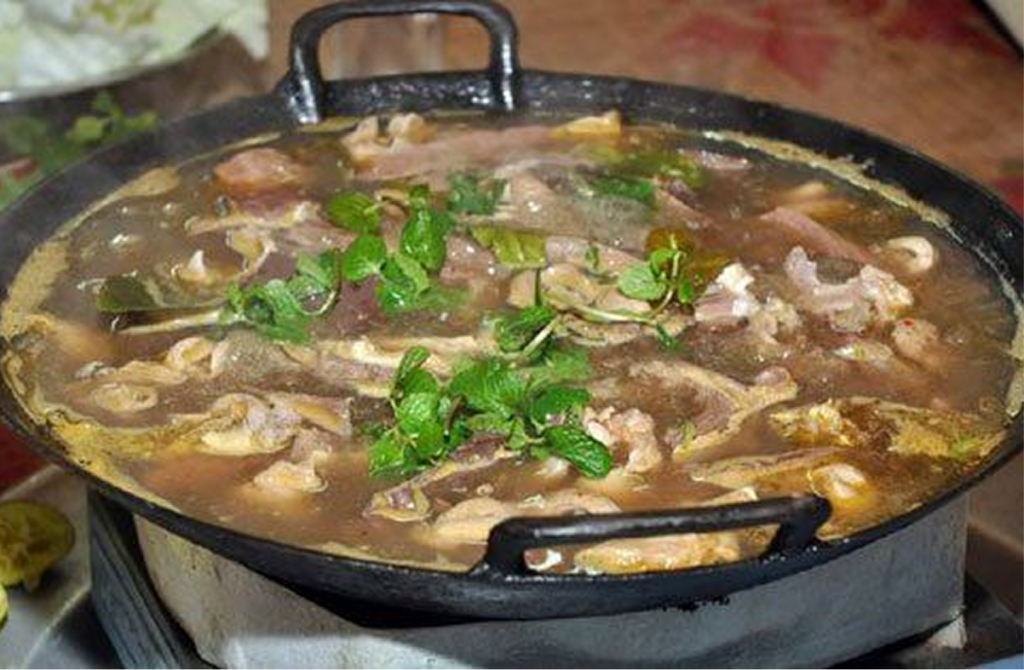
When talking about Ha Giang cuisine, Thang Co is a signature dish you cannot skip. Traditionally made from horse meat and organs, this dish is slow-cooked with more than ten spices such as cardamom, ginger, cinnamon, and local herbs.
Served hot, Thang Co has a rich and slightly intense flavor that is perfect for the cool weather in the mountains. You will often find it at local markets in places like Dong Van and Meo Vac, where travelers gather around a steaming pot and experience the true spirit of the Ha Giang Loop.
4.2 Sour Pho
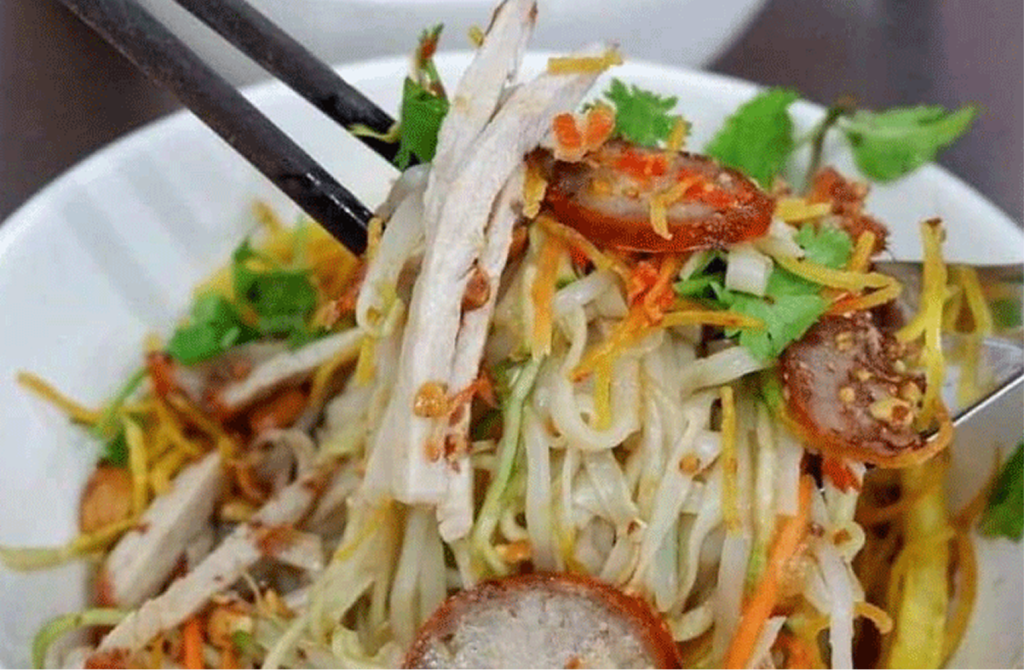
Unlike the traditional Vietnamese pho, Pho Chua is served cold and offers a refreshing combination of flavors. It includes soft rice noodles, char siu pork, roasted peanuts, fresh herbs, and a tangy sauce made from vinegar, sugar, and fish sauce.
This dish is especially popular during warmer hours of the day while traveling the Ha Giang Loop. You can easily find it in Ha Giang City or the old quarter of Dong Van, each place offering its own unique twist.
4.3 Egg Rice Rolls
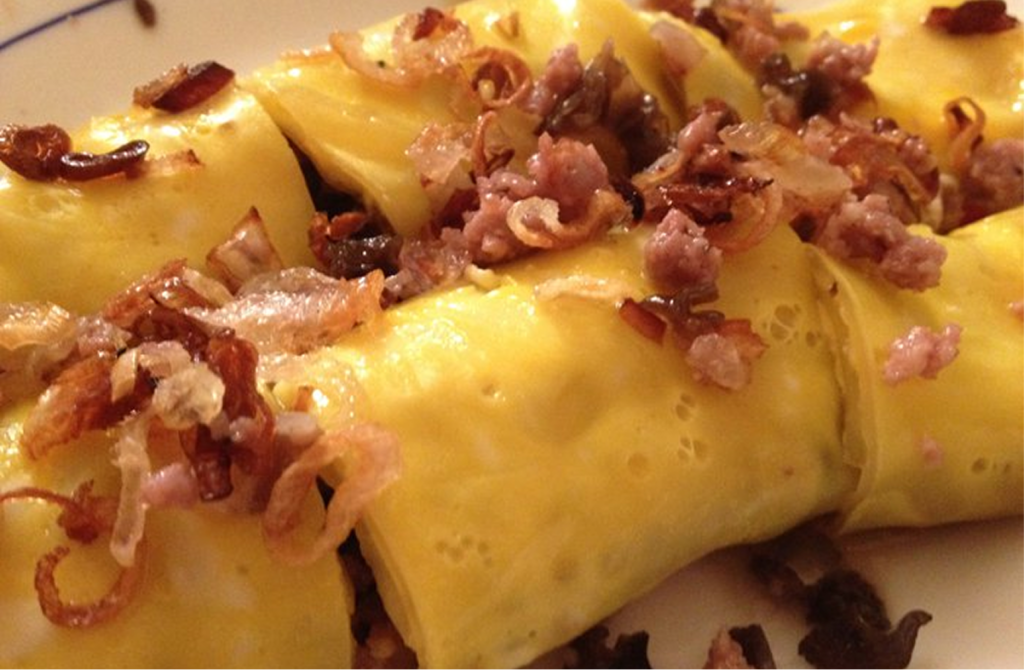
A local twist on a classic Vietnamese dish, Banh Cuon Trung in Ha Giang is served with a soft steamed rice sheet filled with egg. Instead of fish sauce, it comes with a hot, savory broth and slices of Vietnamese pork sausage. This warm and comforting breakfast is a favorite stop before starting a new day on the Ha Giang Loop, especially in the historic streets of Dong Van Old Quarter.
4.4 Smoked Buffalo Meat
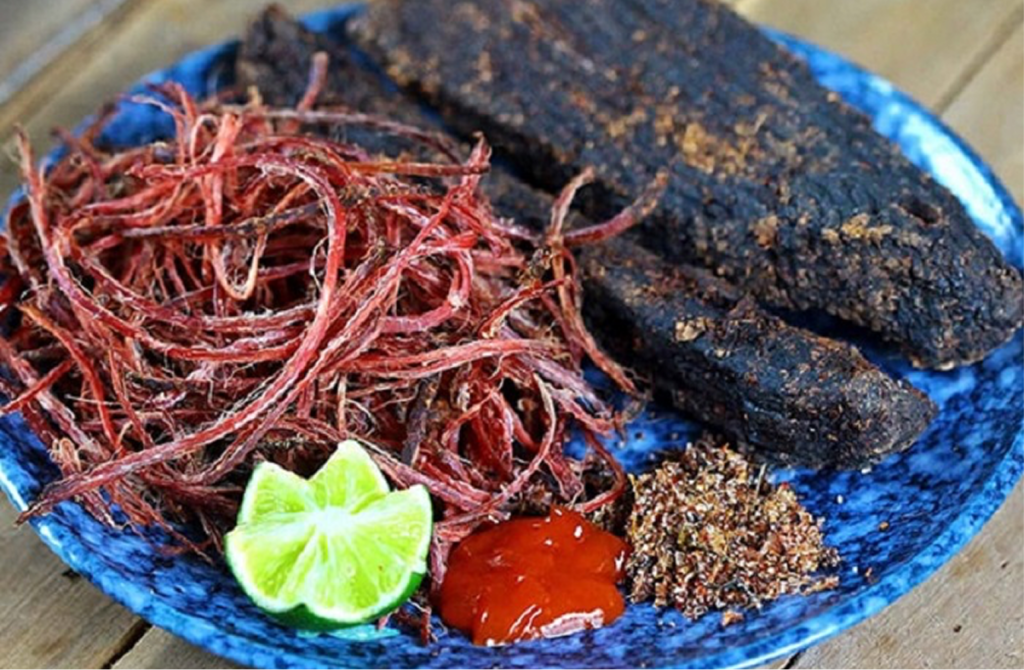
One of the most famous specialties in northern Vietnam, smoked buffalo meat is prepared by marinating buffalo strips with chili, ginger, and mac khen pepper, then hanging them above the kitchen fire for days. The result is a smoky, chewy texture with a deep, rich flavor that perfectly represents the highland lifestyle. It is commonly enjoyed during special occasions and is also a popular souvenir for travelers completing the Ha Giang Loop.
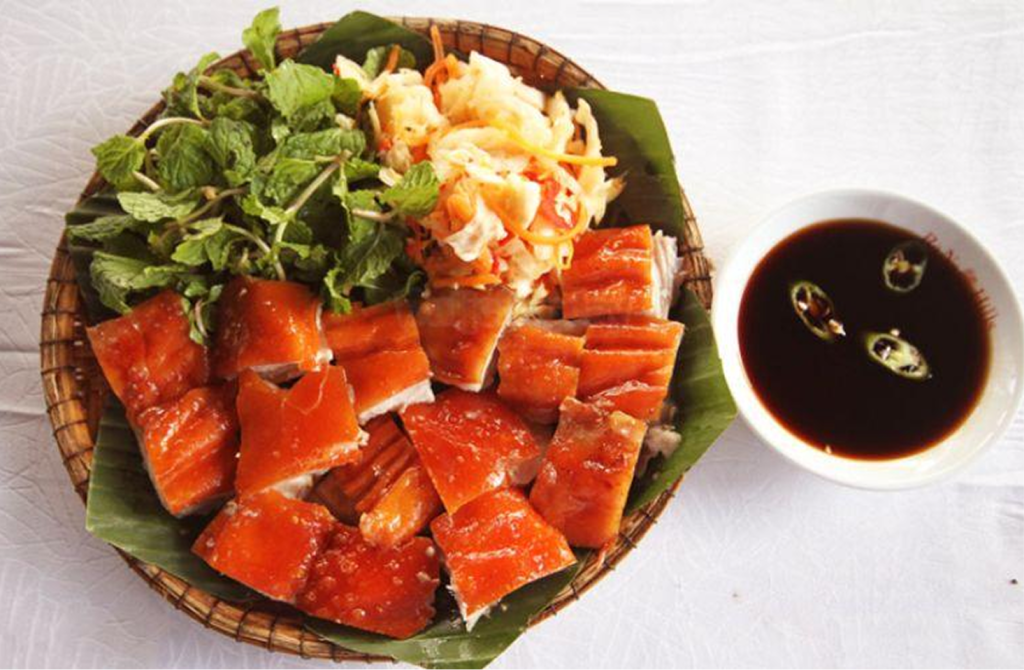
4.5 Grilled “Cap Nach” Pork
“Cap Nach” pork refers to small free-range pigs raised by local families. The meat is firm, naturally sweet, and low in fat. It is often grilled over charcoal or roasted with mac mat leaves, creating a fragrant and flavorful dish.
5. Essential Tips for a Smooth Ha Giang Loop Adventure
- Plan Your Route in Advance
Before starting the Ha Giang Loop, prepare your itinerary carefully and download offline maps. Many remote areas have weak or no mobile signal, so having navigation available offline will help you stay on track throughout your journey.
- Check the Weather Conditions
Weather in the mountains can change quickly. Always check the forecast before riding the Ha Giang Loop to avoid heavy rain, which can make the roads slippery and more dangerous, especially on steep passes.
- Pack for Cold Weather
Even during summer, temperatures in Ha Giang can drop significantly due to high altitude. Bring warm clothing to stay comfortable, particularly in the early morning and evening.
- Respect Local Culture
When traveling along the Ha Giang Loop, respect local communities and their way of life. Ask for permission before taking photos, keep the environment clean, and avoid disrupting daily activities. Thoughtful behavior helps create a more meaningful travel experience.
- Stay Prepared for Remote Travel
The Ha Giang Loop is known for its raw and untouched beauty, but that also means limited services in some areas. Carry essential items such as water, snacks, and basic medical supplies to ensure a safe and enjoyable journey.
Conclusion
In the end, the journey through Ha Giang is not just about the landscapes, but about the emotions and memories it leaves behind. The iconic Ha Giang Loop captures the true essence of adventure, where every winding road brings you closer to nature, culture, and yourself.
With Vietnam Asia Travel DMC, this experience becomes more than just a trip. It is a thoughtfully crafted journey where every detail is designed to help you explore deeper, connect authentically, and create lasting stories along the Ha Giang Loop. It is a place that stays with you long after you leave, quietly calling you back for another ride, another story, another moment among the mountains of northern Vietnam.
FAQ
1. Where is Ha Giang located?
Ha Giang is the northernmost province of Vietnam, bordering China. It is known for its dramatic limestone mountains, remote ethnic villages, and the famous Ha Giang Loop.
2. What is the Ha Giang Loop?
The Ha Giang Loop is a legendary motorbike route in northern Vietnam that takes travelers through mountain passes, deep valleys, and traditional ethnic minority villages. It is considered one of the most scenic road trips in Southeast Asia.
3. When is the best time to do the Ha Giang Loop?
The best time to travel the Ha Giang Loop is from September to April, during the dry season. For specific experiences:
- September: golden rice terraces
- October to November: buckwheat flower season
- January to March: peach and plum blossoms
4. Is the Ha Giang Loop safe for beginners?
The Ha Giang Loop can be challenging due to steep roads and sharp turns. Beginners are advised to:
- Ride with an experienced guide
- Choose an easy rider tour
- Travel with trusted operators like Vietnam Asia Travel DMC