Explore Sapa Vietnam with breathtaking landscapes, rich ethnic culture, and authentic local experiences your ultimate guide with Vietnam Asia Travel DMC.
Who wouldn’t dream of exploring Sapa at least once? Known as one of the most breathtaking destinations in Sapa Vietnam, this mountain town captivates travelers with its dramatic landscapes, lush valleys, and the authentic daily life of local ethnic communities. From mist-covered peaks to peaceful villages, everything here feels like a living painting shaped by nature and culture. If you’re looking for a destination that blends raw natural beauty with meaningful cultural experiences, Sapa Vietnam is truly a place worth slowing down for. Let Vietnam Asia Travel DMC take you on a journey to discover why Sapa is not just beautiful but genuinely unforgettable.
Why Visit Sapa Vietnam?
Located in the northwestern mountains of Vietnam, about 350 km from Hanoi, Sapa is a highland destination near the Chinese border that continues to captivate international travelers. Known for its dramatic landscapes, fresh mountain air, and rich ethnic diversity, Sapa Vietnam offers a travel experience unlike anywhere else in the world.
- Spectacular Rice Terraces in Southeast Asia
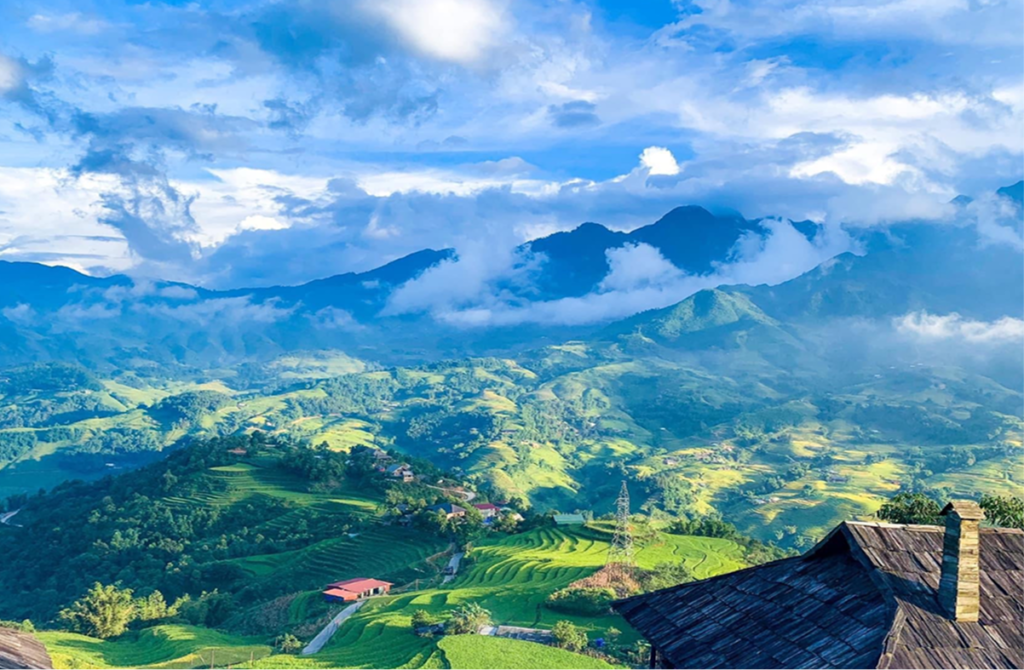
One of the most iconic highlights of Sapa Vietnam is the breathtaking Muong Hoa Valley, home to vast rice terraces stretching over 2,200 hectares. These terraces, shaped by ethnic communities over more than 700 years, create a stunning natural masterpiece that changes colors with the seasons. From lush green in summer to golden hues during harvest, this landscape is often considered among the most beautiful in Southeast Asia.
- A Cool, European-Like Climate
Thanks to its elevation of 1,500–1,800 meters above sea level, Sapa Vietnam enjoys a mild, temperate climate year-round, with average temperatures ranging from 15–18°C. Misty mornings, crisp air, and occasional snowfall in winter give the town a unique atmosphere rarely found elsewhere in Vietnam, making it a perfect escape from tropical heat.
- Unique Ethnic Culture and Traditions
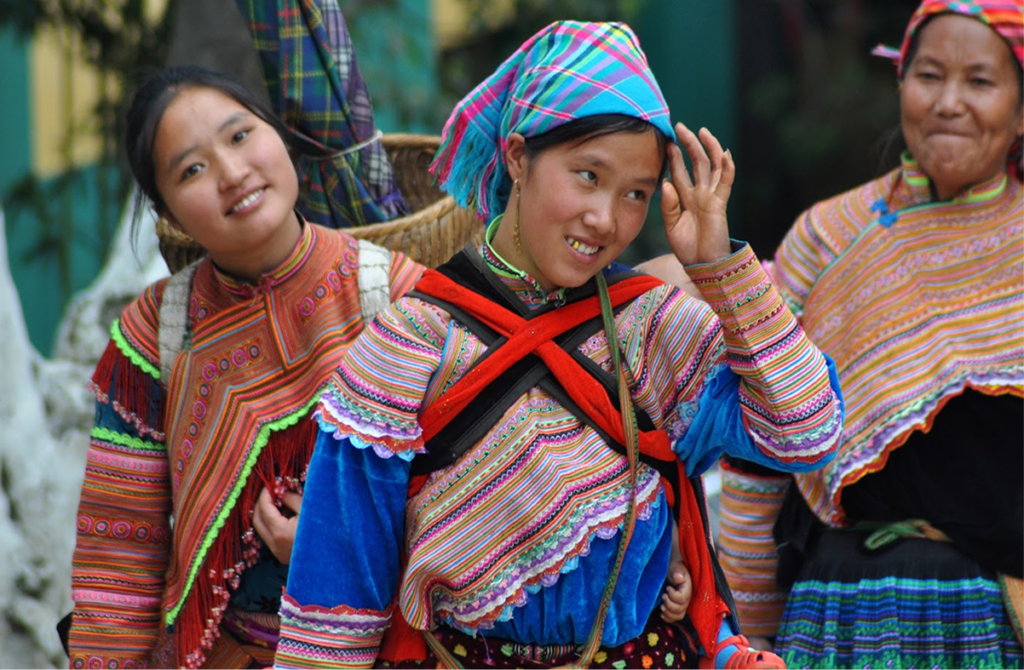
Sapa Vietnam is home to a vibrant mix of ethnic minorities, including the Hmong, Dao, Tay, Giay, and Xa Pho. Each group has its own traditional dress, language, and customs, creating a rich cultural tapestry. Visitors to Sapa Vietnam can experience authentic village life, local markets, and centuries-old traditions that remain beautifully preserved.
- Fansipan – The Roof of Indochina
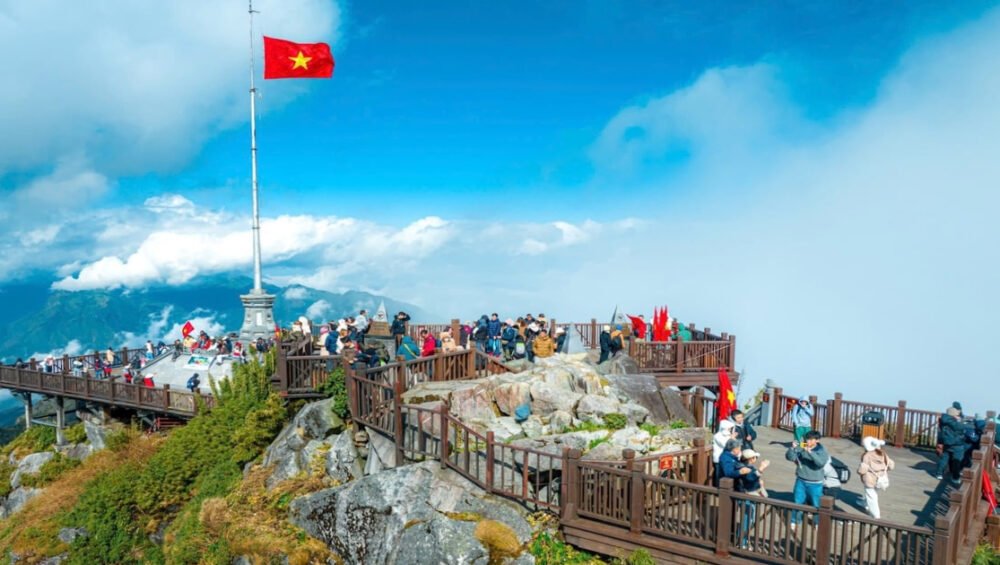
Standing at 3,147 meters, Fansipan is the highest peak in Vietnam, Laos, and Cambodia. Often called the “Roof of Indochina,” it offers breathtaking panoramic views above the clouds. Travelers can reach the summit via one of the most advanced cable car systems in Southeast Asia or challenge themselves with a rewarding trek.
Top Things to Do in Sapa Vietnam
Sapa Vietnam is a destination where culture, history, and nature blend seamlessly. This guide highlights the most iconic experiences first-time visitors should prioritize. Each activity offers a deeper understanding of local ethnic life, breathtaking landscapes, and the rich traditions that define Sapa Vietnam.
Conquer Fansipan – The Roof of Indochina
Standing at 3,147 meters, Fansipan is the highest peak in Vietnam, Laos, and Cambodia. Travelers can either embark on a 2–3 day trek through Hoang Lien National Park or take the modern cable car from Sun World Fansipan Legend, reaching the summit in just 20 minutes.

More than a physical achievement, Fansipan is also a spiritual destination for many Vietnamese people. The journey symbolizes gratitude, accomplishment, and a meaningful connection to heritage, making it a must-do experience in Sapa Vietnam.
Explore Muong Hoa Valley Rice Terraces
Located southeast of Sapa town, Muong Hoa Valley is home to the largest rice terraces in Vietnam, covering over 2,200 hectares. This iconic landscape showcases traditional rice cultivation and ancient stone carvings.
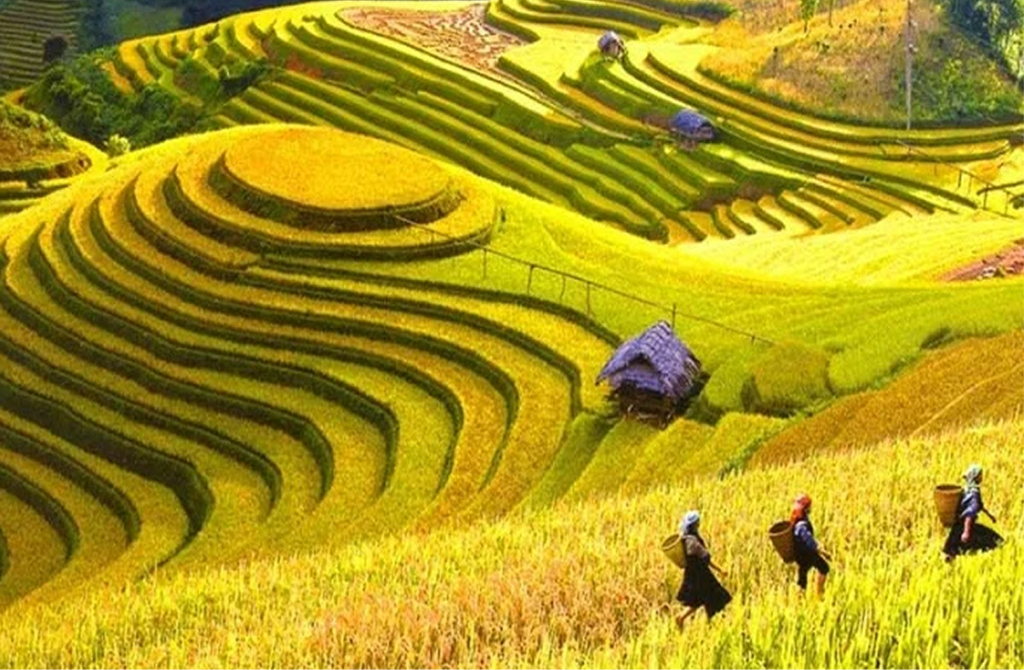
Depending on the season, the scenery transforms dramatically—from reflective water-filled terraces (April–May) to golden rice fields (September–October). It is one of the most photographed natural highlights of Sapa Vietnam.
Experience Daily Life in Ethnic Villages
One of the most authentic things to do in Sapa Vietnam is immersing yourself in the daily lives of local ethnic communities such as the H’Mong, Dao, Tay, Giay, and Xa Pho.
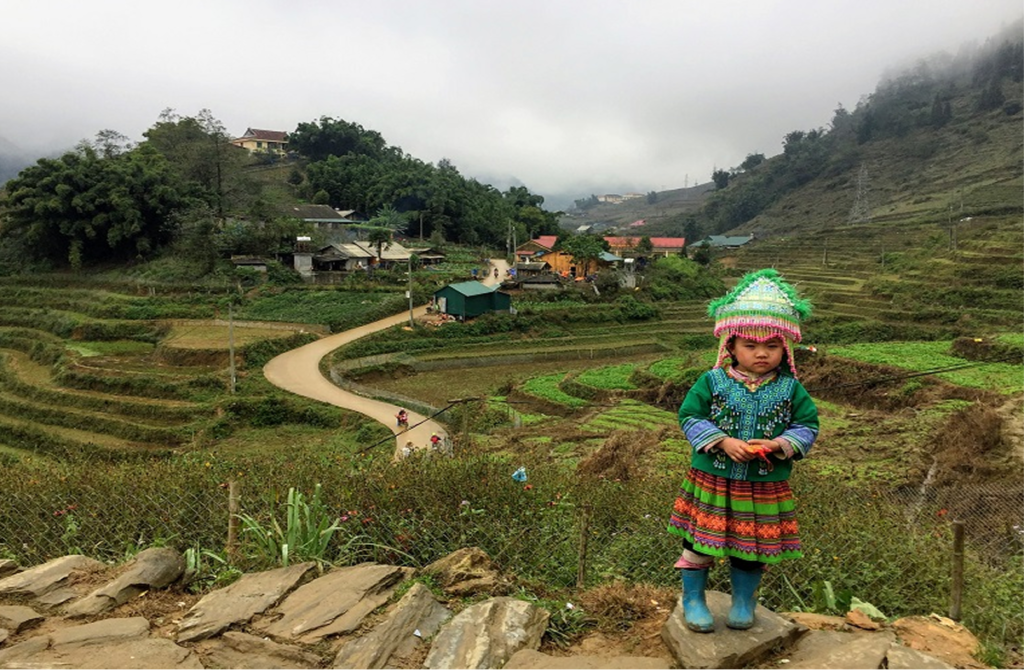
Visitors can:
- Stay in traditional homestays
- Learn local cooking techniques
- Try hand-weaving textiles
- Experience herbal baths
- Participate in cultural rituals
These experiences provide genuine insight into sustainable living and the deep connection between people and nature in Sapa Vietnam.
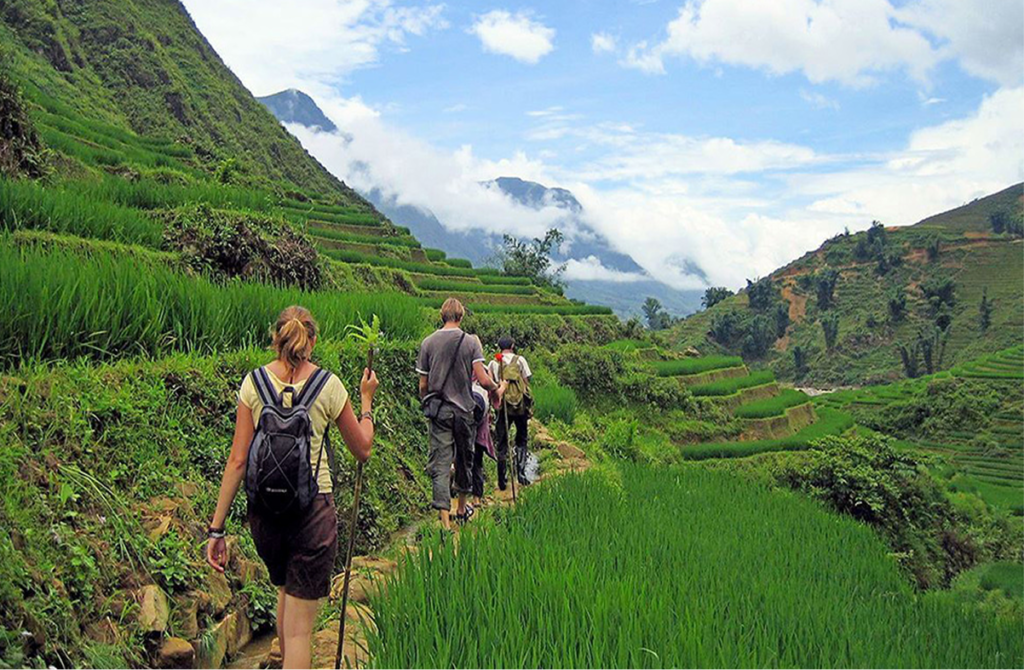
Trek the Classic Route: Cat Cat – Ta Van – Giang Ta Chai
The classic trekking route connects three iconic villages:
- Cat Cat Village
- Ta Van Village
- Giang Ta Chai Village
Within a single day, travelers can encounter different ethnic cultures, explore handicraft markets, walk through peaceful rice terraces, and discover bamboo forests and waterfalls. This is more than just a trek, it’s a journey into the cultural and natural heart of Sapa Vietnam.
Discover Love Market and Weekend Markets
Traditional markets are a unique cultural highlight of Sapa Vietnam, offering both social and commercial experiences.
Sapa Love Market
The Sapa Love Market is not a typical market but a cultural gathering held every Saturday evening.
- Purpose: Cultural exchange, folk singing, and courtship rituals
- Time: Saturdays, 6:00 PM – 10:00 PM
- Location: In front of Sapa Stone Church
Young men and women dress in traditional attire, sing love songs, and express affection through music and dance—creating a vibrant and romantic atmosphere.
Sapa Weekend Market
The Sapa Market takes place mainly on weekends.
- Purpose: Trade local produce, textiles, and handicrafts
- Time: Saturday and Sunday, early morning to late afternoon
- Experience: Shop for brocade, handmade goods, and local specialties while observing daily life in the highlands
Tip: Visit the Love Market on Saturday night, then explore the weekend market on Sunday morning for a complete cultural experience in Sapa Vietnam.
Conquer O Quy Ho Pass – One of Vietnam’s Most Scenic Roads
At an altitude of around 2,000 meters, O Quy Ho Pass stretches nearly 50 km along National Highway 4D, connecting Lao Cai and Lai Chau provinces.
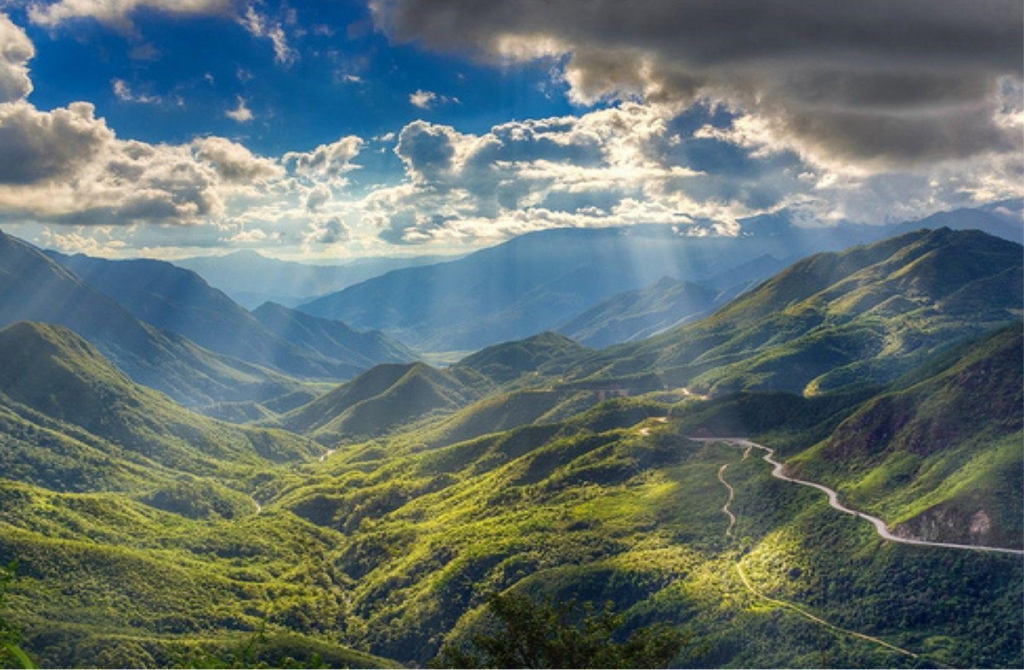
Known as one of the most beautiful mountain passes in Vietnam, it offers:
- Panoramic views of the Hoang Lien Son range
- Dramatic cloud formations
- Deep valleys and winding roads
Whether by motorbike or bicycle, this route is a must for adventure seekers and photographers exploring Sapa Vietnam.
Must-Try Local Food in Sapa Vietnam
Beyond its breathtaking mountain landscapes and rich ethnic culture, Sa Pa is also a culinary destination that captures the true essence of the northern highlands. The local cuisine in Sapa Vietnam reflects the ingenuity of ethnic communities, combining fresh ingredients, wild herbs, and traditional cooking techniques to create warm, flavorful dishes—perfect for the region’s cool climate. If you’re planning your journey, here are the must-try local foods in Sapa Vietnam, along with detailed descriptions and where to find them.
Thang Co – Traditional Hmong Mountain Stew
Thang Co is one of the most iconic dishes in Sapa Vietnam, deeply rooted in the culinary traditions of the Hmong people. This hearty stew is traditionally made from horse meat, bones, and organs, slow-cooked for hours with over 12 local herbs such as cardamom, lemongrass, and ginger.
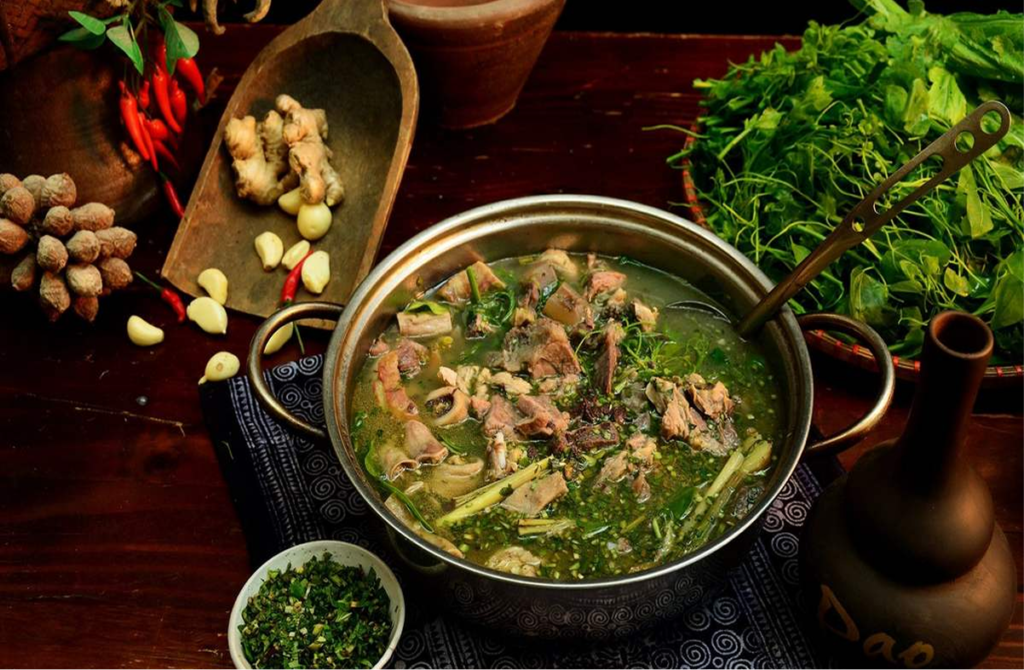
The result is a rich, aromatic broth with a bold, slightly fatty flavor—best enjoyed hot on a chilly Sapa evening. For travelers who are new to this dish, modern variations using beef or pork are widely available.
Where to try:
- Thang Co Sapa Restaurant – 102 Dien Bien Phu
- Local eateries in Cat Cat Village
Sapa Salmon – Grilled, Hotpot, or Sashimi
Thanks to its cool mountain streams, Sapa Vietnam is one of the few places in Southeast Asia where fresh salmon is farmed locally. Unlike imported varieties, Sapa salmon has firm, lean meat with a naturally sweet taste.
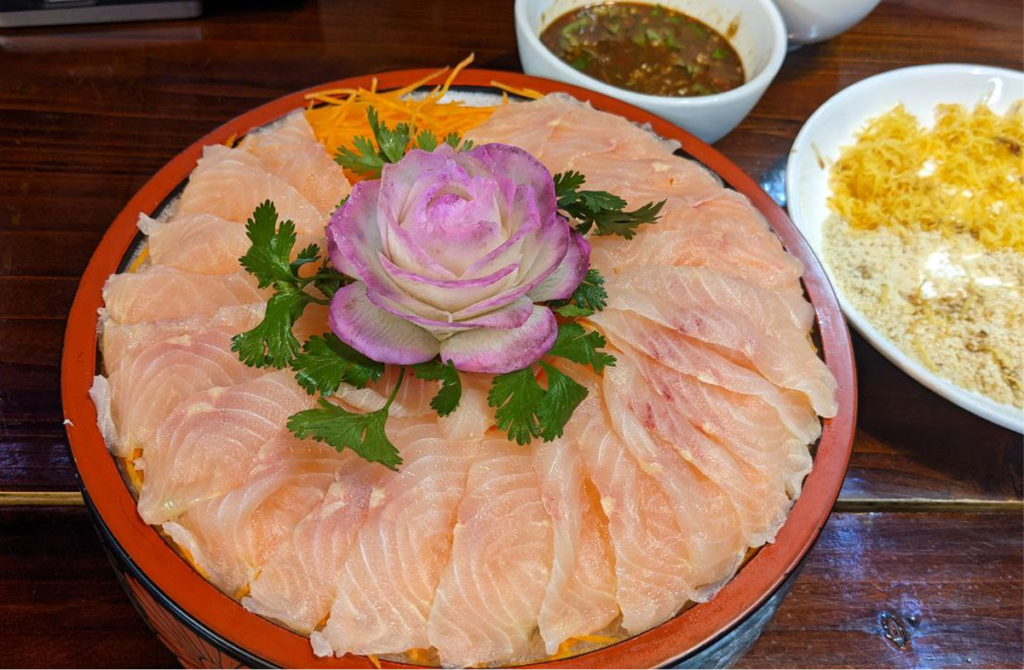
You can enjoy it in multiple styles: fresh sashimi with mustard, lightly grilled to enhance its natural flavor, or in a comforting salmon hotpot served with fresh vegetables and sour bamboo shoots.
Where to try:
- Hoa Dao Restaurant – 48 Le Van Tam
- Song Nhi Restaurant near Silver Waterfall
Banh Chung Nang – A Tay Ethnic Specialty
A unique variation of Vietnam’s traditional sticky rice cake, Banh Chung Nang comes from the Tay ethnic group in Sapa Vietnam. Unlike the square-shaped version typically seen during Lunar New Year, this cake is flatter and pan-pressed for a softer, chewier texture.
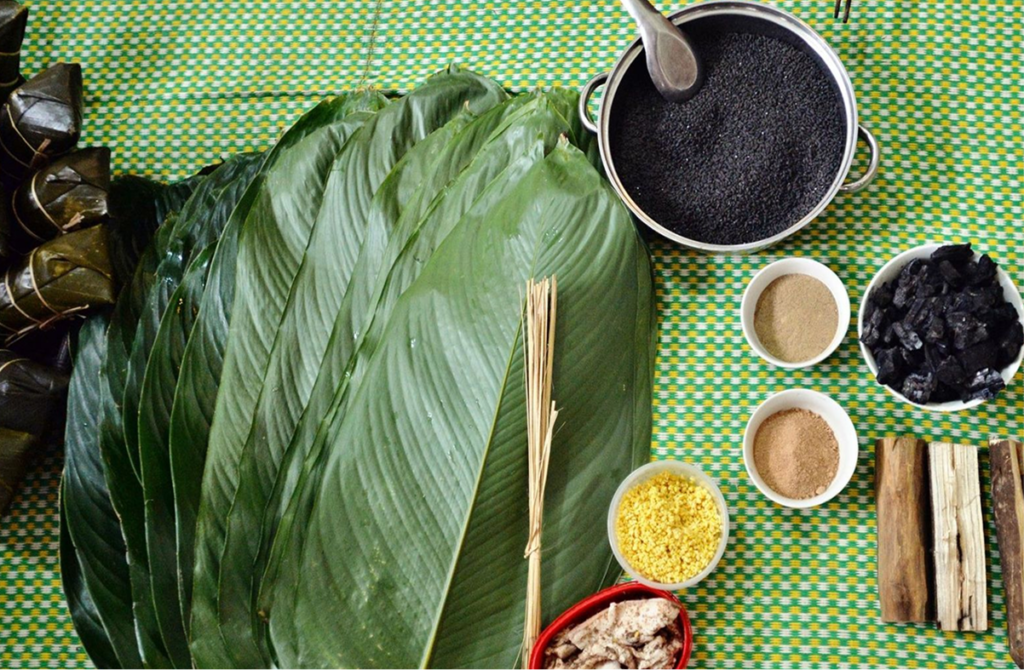
It is made with fragrant sticky rice, pork belly, and mung beans, often paired with fermented pork (nem chua) for a balanced, savory flavor.
Where to try:
- Sapa Market
- Tay ethnic homes in Ta Van Village
Corn Wine – A Highland Spirit
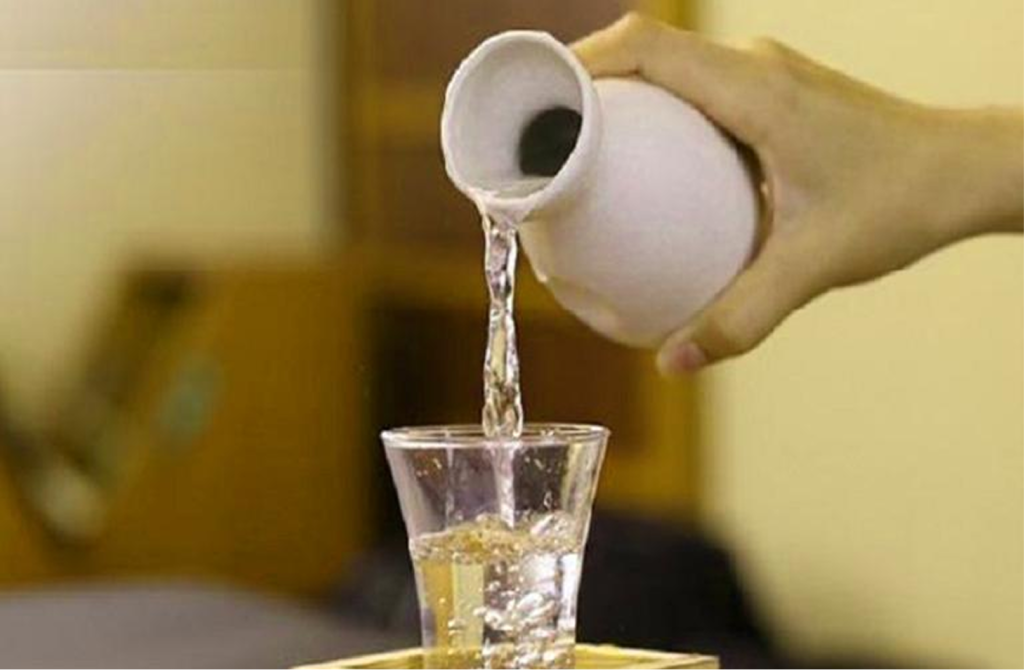
Corn wine is a traditional alcoholic beverage widely enjoyed by the Hmong and Dao communities in Sapa Vietnam. Made from fermented yellow corn and distilled using forest yeast, it typically has an alcohol content of 40–45%. Despite its strength, corn wine offers a slightly sweet taste with a warm finish, making it an ideal companion for grilled meats on cold mountain nights.
Where to try:
- Local homes in Cat Cat and Ta Van villages
- Specialty shops in Sapa town
Grilled “Cap Nach” Pork – Free-Range Highland Flavor
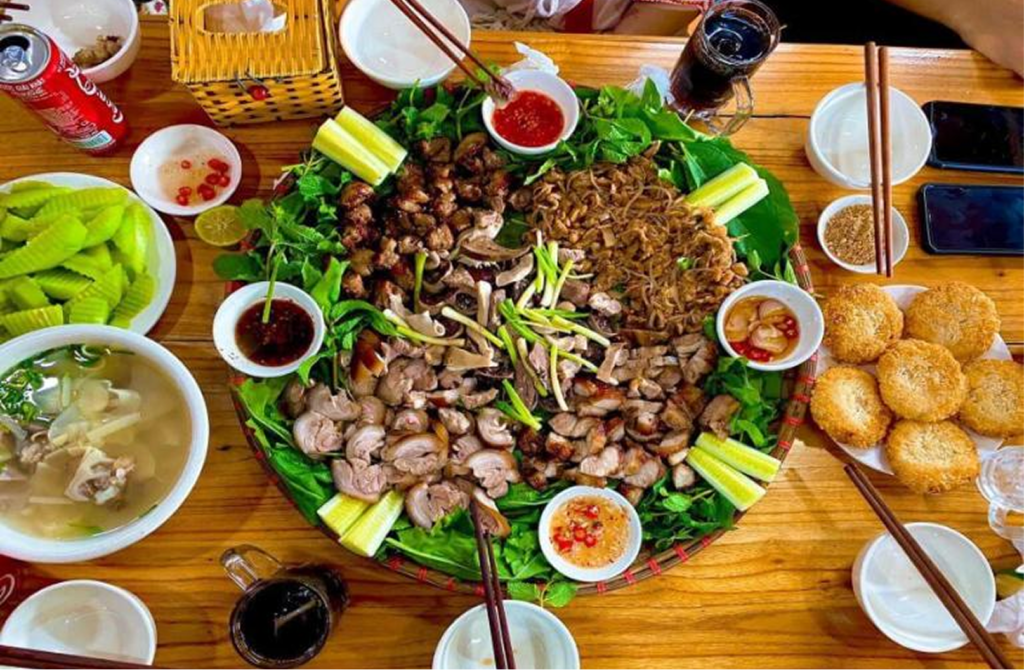
“Cap Nach” pork refers to small free-range pigs (weighing around 10–20kg) raised by ethnic minorities in Sapa Vietnam. The meat is firm, naturally flavorful, and often grilled whole over charcoal. Marinated with mountain herbs, the pork develops a crispy skin and smoky aroma that makes it one of the most irresistible dishes in Sapa.
Where to try:
- Le Gia Restaurant in Cat Cat Village
- Local homestays offering BBQ dinners
Black Chicken – A Nutritious Local Delicacy
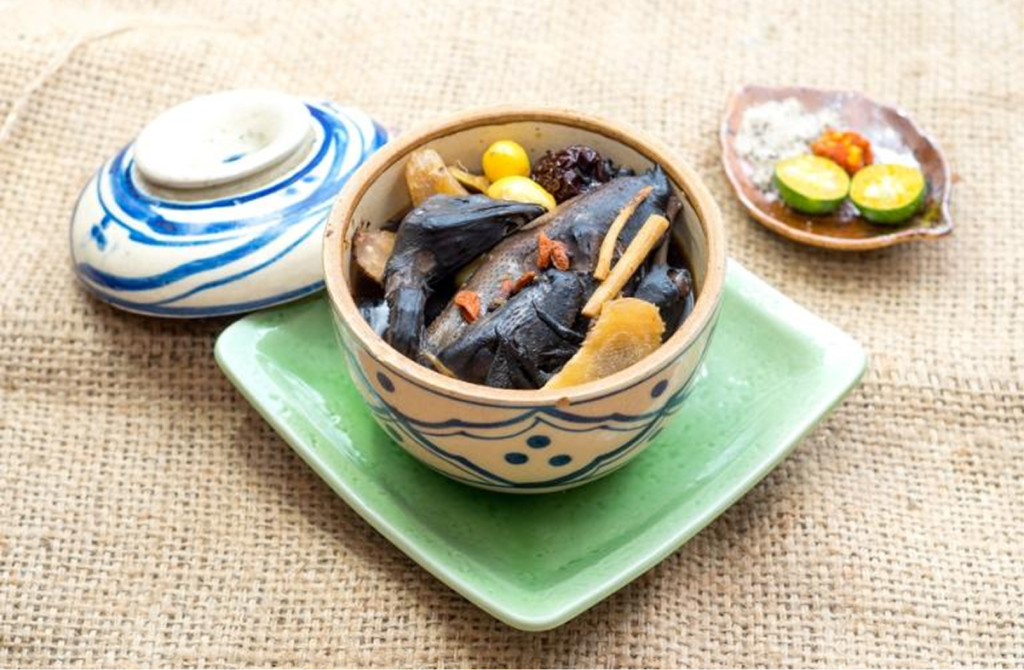
Black chicken is a rare breed known for its dark skin, bones, and meat, believed to have medicinal benefits. In Sapa Vietnam, it is commonly prepared as a herbal soup with mugwort or grilled with honey.
The meat is firm, slightly chewy, and highly nutritious, often consumed to restore energy after long treks.
Where to try:
- Red Dao House – 4B Thac Bac Street
- Traditional mountain homestays
Conclusion
Sapa Vietnam is more than just a destination, it’s where misty mountains, cascading rice terraces, and vibrant ethnic cultures come together to create an unforgettable highland journey. From conquering Fansipan Peak, the “Roof of Indochina,” to exploring lively local markets and tasting authentic northern Vietnamese cuisine, this guide has covered everything first-time travelers need to plan a seamless trip.
Whether you’re seeking cultural immersion, scenic trekking routes, or simply a peaceful escape into the cool, romantic climate of northern Vietnam, Sapa Vietnam offers a travel experience unlike anywhere else. Every moment here feels raw, authentic, and deeply connected to nature and tradition. Start planning your journey to Sapa Vietnam today and turn inspiration into a real adventure with Vietnam Asia Travel DMC your trusted partner for curated travel experiences across Vietnam.
FAQ – Sapa Vietnam Travel Guide
Where is Sapa Vietnam located?
Sa Pa is located in the northwest of Vietnam, about 350 km from Hanoi, near the border with China. It sits in the Hoang Lien Son mountain range and is known for its cool climate and stunning landscapes.
What is the best time to visit Sapa Vietnam?
The best time to visit Sapa Vietnam depends on what you want to experience:
March – May: Pleasant weather, blooming flowers
June – August: Lush green rice terraces
September – October: Golden harvest season (most scenic)
December – February: Cold weather, possible frost or snow
How do I get to Sapa Vietnam from Hanoi?
There are several ways to travel from Hanoi to Sapa Vietnam:
Overnight train to Lao Cai, then a 1-hour transfer to Sapa
Sleeper bus or limousine van (5–6 hours)
Private car for more comfort and flexibility
Is Sapa Vietnam suitable for first-time travelers?
Yes, Sapa Vietnam is very suitable for first-time visitors. It offers a mix of easy accessibility, organized tours, and authentic cultural experiences, making it ideal for travelers looking to explore beyond major cities.