
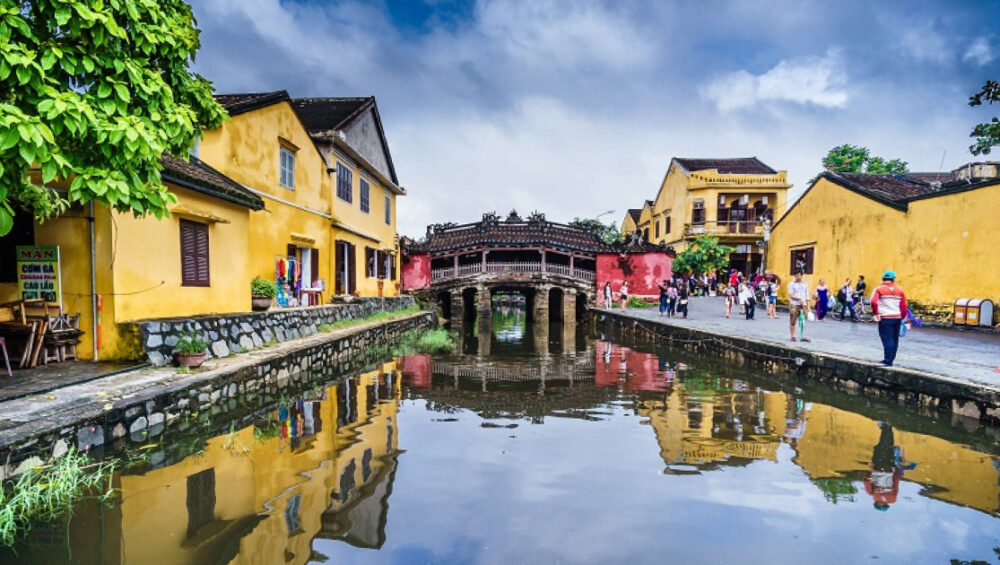
Few places in Hoi An are as iconic as the Japanese Covered Bridge, a timeless symbol of the ancient town’s rich cultural heritage. More than just a historic bridge, it stands as a living testament to centuries of cultural exchange between Vietnam, Japan, and China. Nestled peacefully in the heart of Hoi An Ancient Town, this beautifully preserved architectural landmark has quietly witnessed the rhythm of local life for generations. In this journey, Vietnam Asia Travel DMC invites you to discover what makes the Japanese Covered Bridge one of Hoi An’s most captivating attractions, from legendary tales steeped in history to unforgettable experiences waiting to be explored in this charming UNESCO World Heritage destination.
Introduction to the Japanese Covered Bridge
The Japanese Covered Bridge is considered the cultural symbol and spiritual heart of Hoi An. As the only ancient bridge remaining in the city, the Japanese Covered Bridge was originally built by Japanese merchants in the early 17th century to support trade and daily transportation during Hoi An’s bustling commercial era.
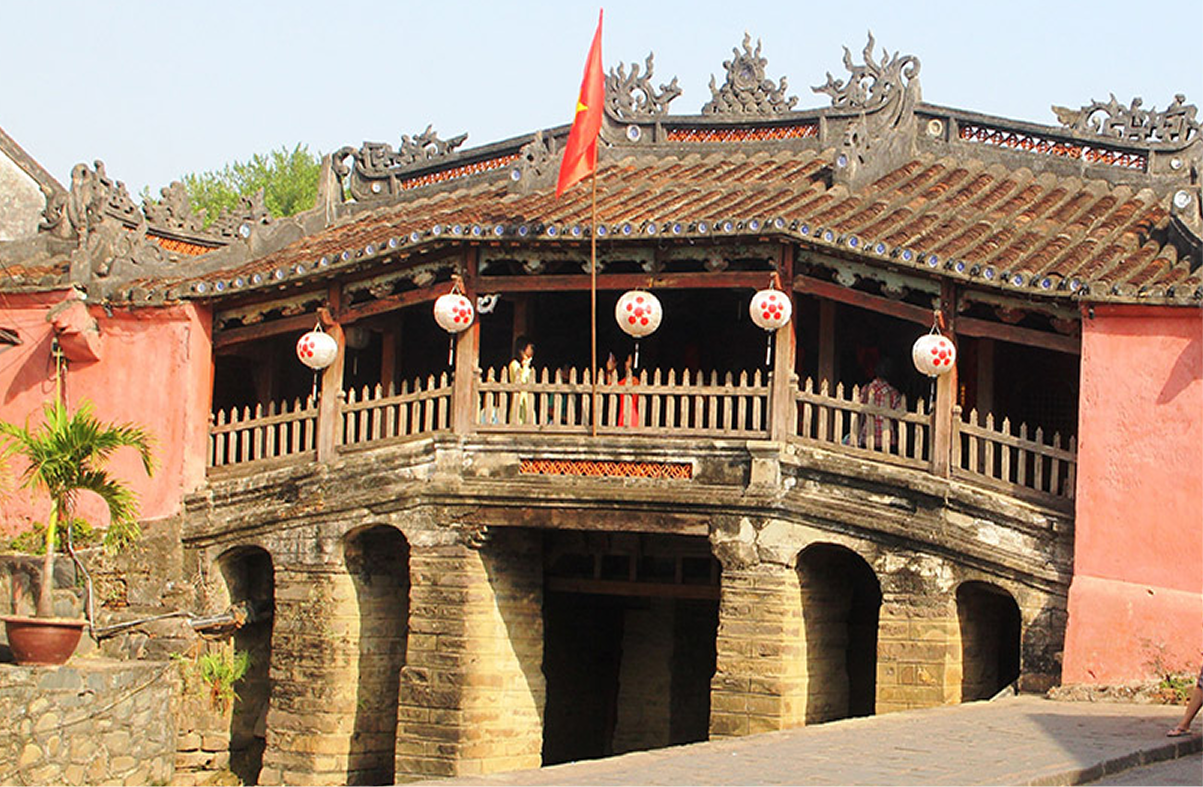
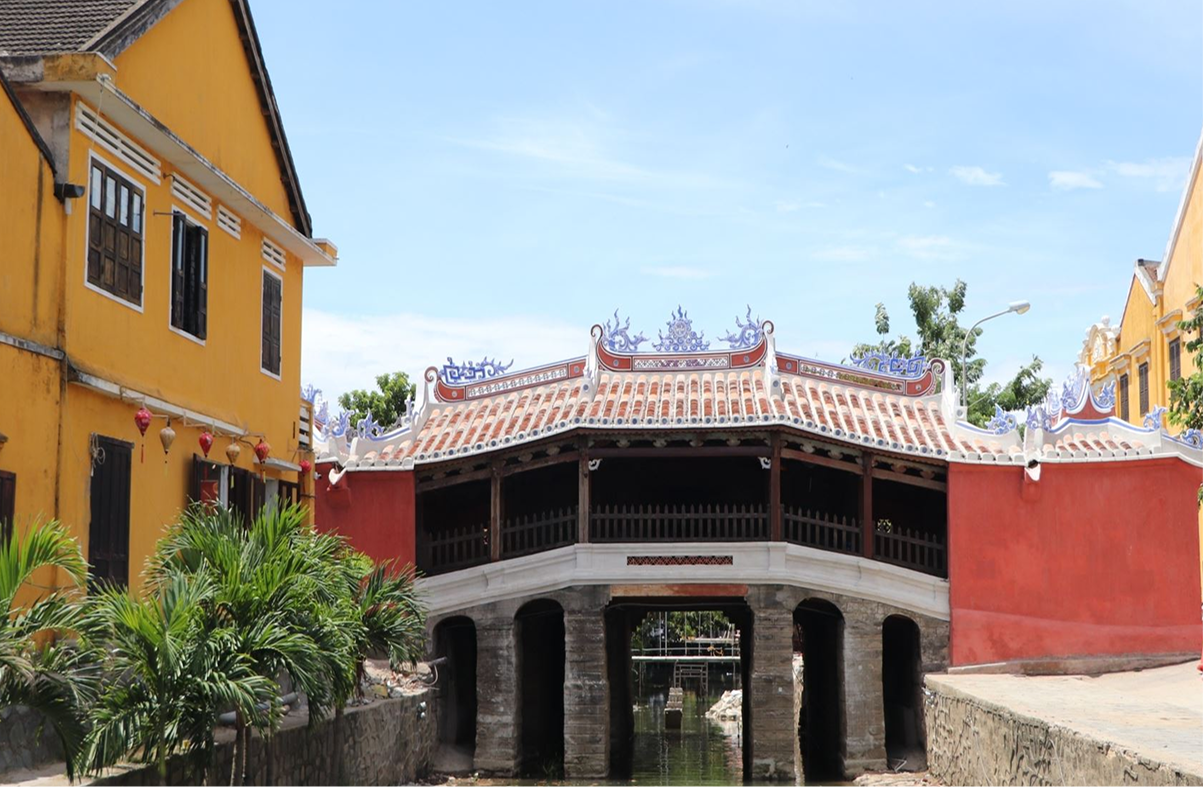
With a length of approximately 18 meters, the Japanese Covered Bridge features a unique architectural style known as “upper house, lower bridge,” where the structure functions as both a bridge and a sheltered building. Its design beautifully blends traditional Japanese and Vietnamese architectural influences, creating one of the most iconic landmarks in Hoi An.
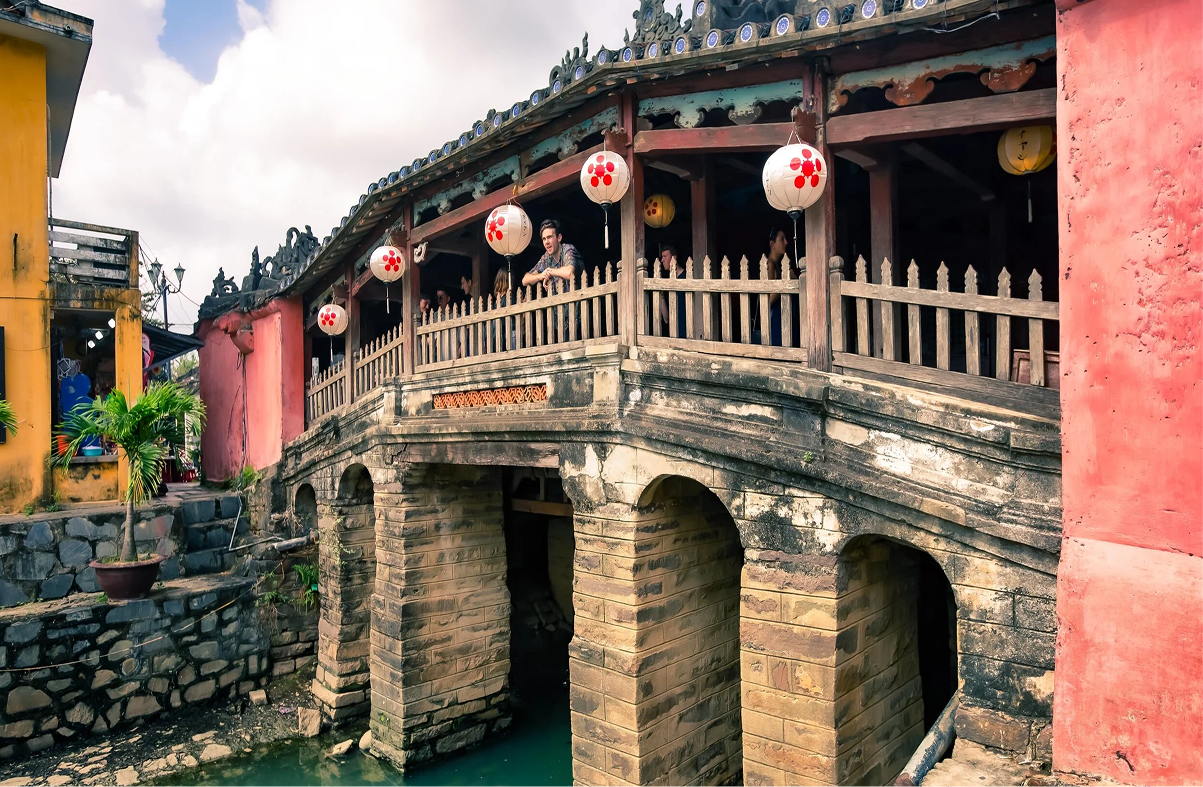
The bridge underwent major restoration in 1986, including the reconstruction of its arched sections, helping preserve its historical and artistic value. Today, the Japanese Covered Bridge remains one of the most famous attractions in Hoi An, admired for its timeless beauty and cultural significance. In 1990, it was officially recognized as a National Historical and Cultural Relic of Vietnam.
2. How to get to the Japanese Covered Bridge in Hoi An
- Address: Nguyen Thi Minh Khai Street, Hoi An Ward, Da Nang City
- Opening Hours: 7:00 AM – 9:00 PM
- Entrance Fee: Free to admire from the outside. To walk across the Japanese Covered Bridge and explore nearby attractions in Hoi An Ancient Town.
Best Time to Visit: Early morning when the ancient town is peaceful and quiet, or during sunset when colorful lanterns illuminate the streets and reflect beautifully on the water.
The Japanese Covered Bridge is one of the most iconic historical landmarks in Hoi An Ancient Town, where every corner reflects the charm of centuries-old heritage. Located just a 5-minute drive from La Siesta Hoi An Resort & Spa, the Japanese Covered Bridge is easily accessible by complimentary bicycle, motorbike, or taxi.
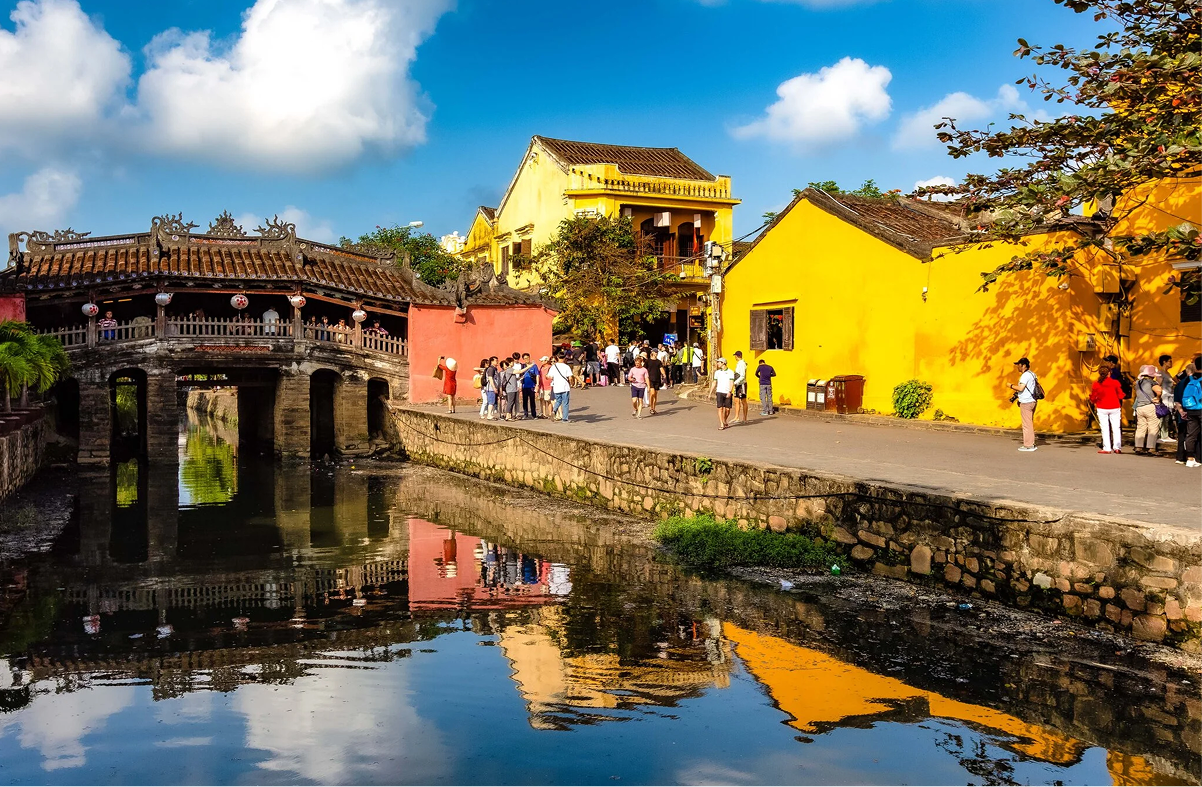
Historical legacy of the Japanese Covered Bridge in Hoi An
After reopening in August 2024 following a major restoration, the Japanese Covered Bridge once again became the cultural centerpiece of the 20th Vietnam – Japan Cultural Exchange Festival. Although some visitors felt its renewed appearance looked “too new,” for the people of Hoi An, the bridge remains the timeless soul of the Ancient Town. Throughout its long history, the Japanese Covered Bridge has undergone several restorations in 1763, 1817, 1865, 1915, 1962, 1986, and 1996, preserving its iconic architectural and cultural value for future generations.
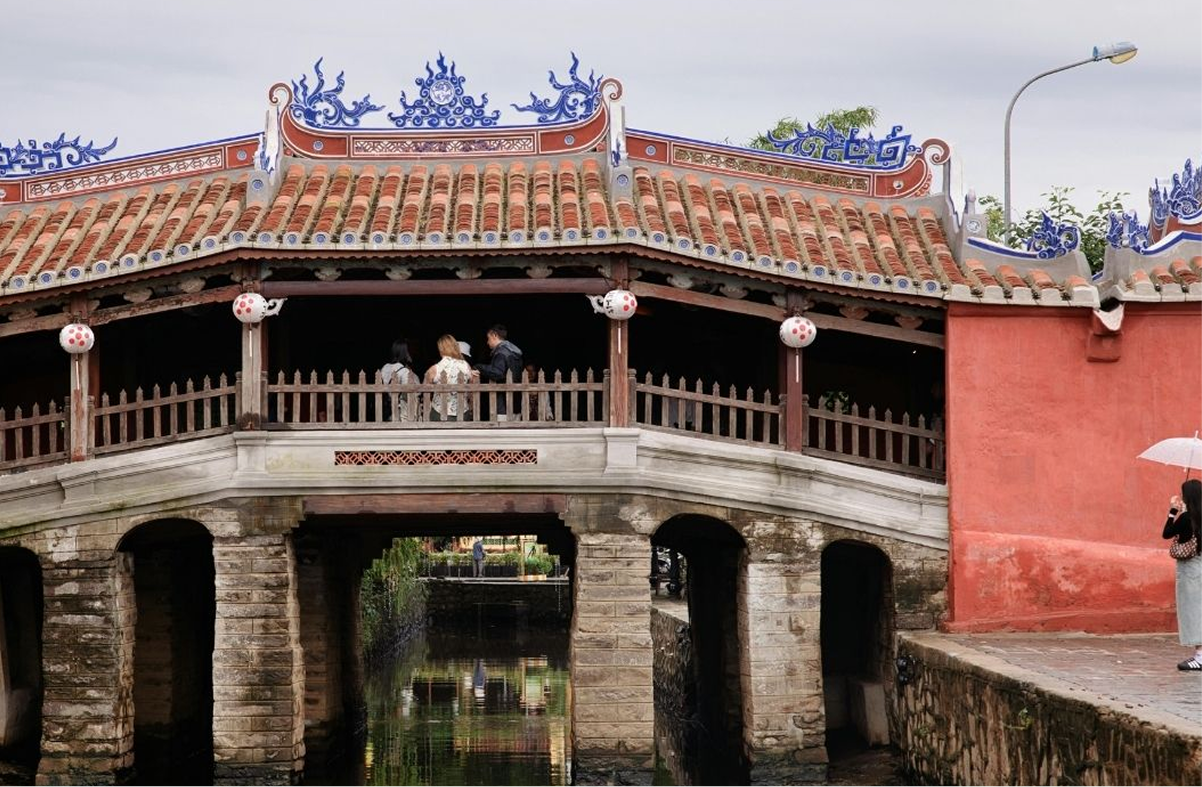
Originally known as Lai Vien Kieu, meaning “Bridge for Welcoming Guests from Afar,” the Japanese Covered Bridge reflects Hoi An’s long-standing spirit of hospitality, international trade, and cultural connection. In 1653, a small temple was added inside the bridge to worship Tran Vo Bac De, a guardian deity believed to protect Hoi An from natural disasters and dangerous waves. Built in 1593 by Japanese merchants, the Japanese Covered Bridge connected the Japanese and Chinese quarters of Hoi An, becoming a powerful symbol of peace, multicultural exchange, and international commerce centuries ago.
Why is the Japanese Bridge in Hoi An special?
The Japanese Covered Bridge is one of Hoi An’s most iconic cultural landmarks, admired for its unique architecture and deep historical significance.
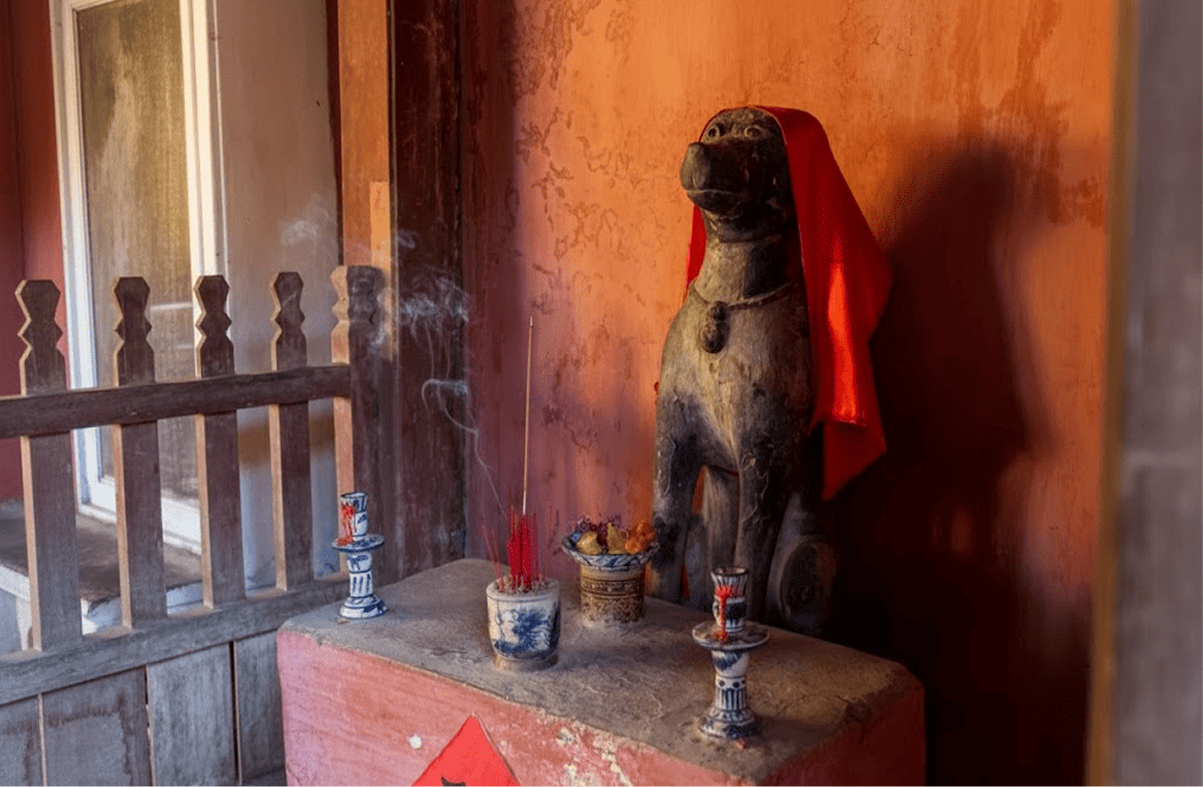
Guardian statues of dogs and monkeys
At both ends of the Japanese Covered Bridge stand statues of dogs and monkeys. These sacred guardians are believed to symbolize the years when the bridge’s construction began and was completed, or the birth years of the emperors associated with its history. For locals, they also represent peace, protection, and lasting prosperity.
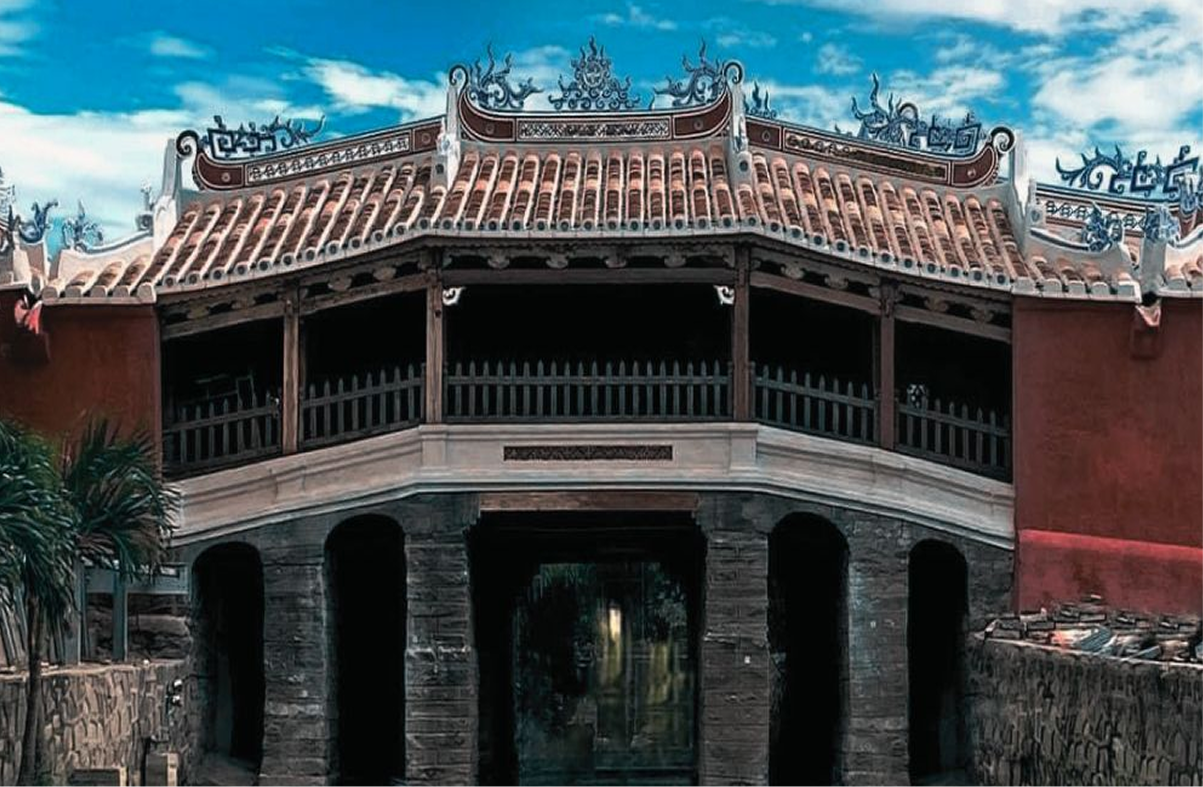
Curved roof and ancient wooden architecture
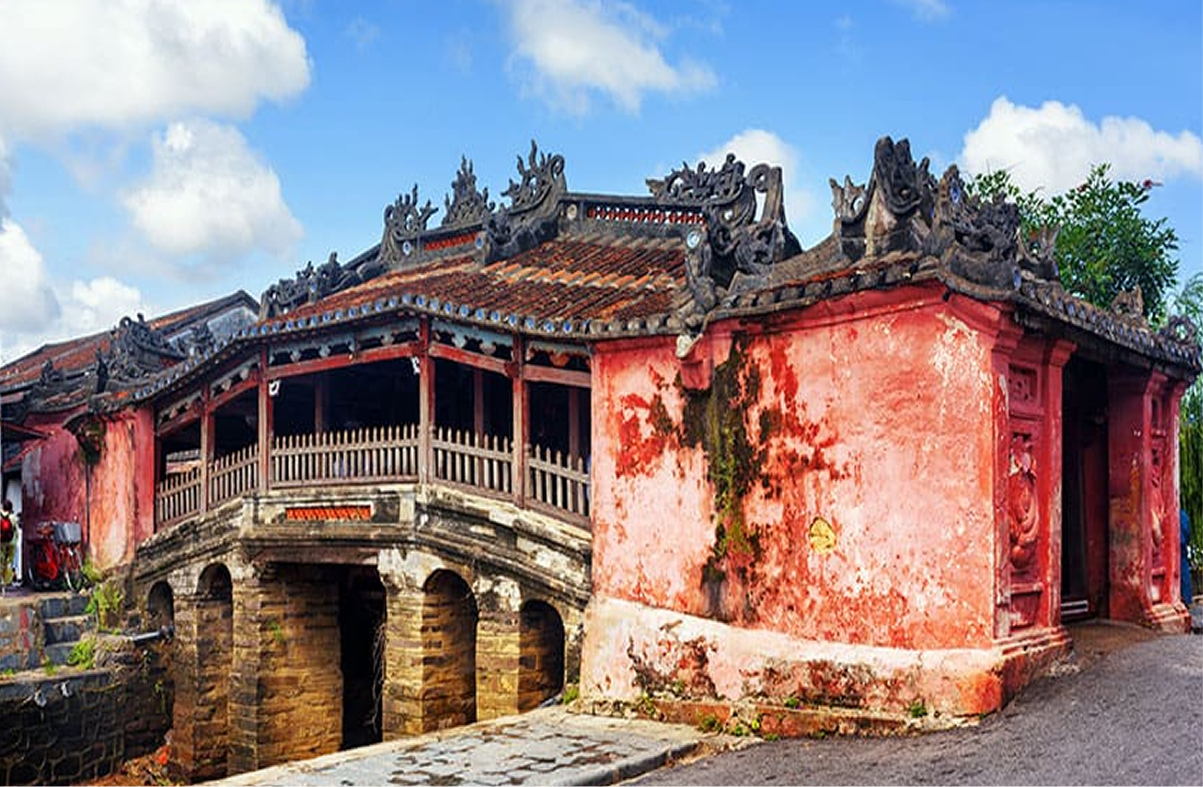
The gracefully curved tiled roof, dark wooden framework, and intricate carvings showcase the harmonious blend of Japanese architectural aesthetics and the craftsmanship of skilled Vietnamese artisans. Every detail of the Japanese Covered Bridge reflects the cultural fusion that shaped Hoi An’s heritage.
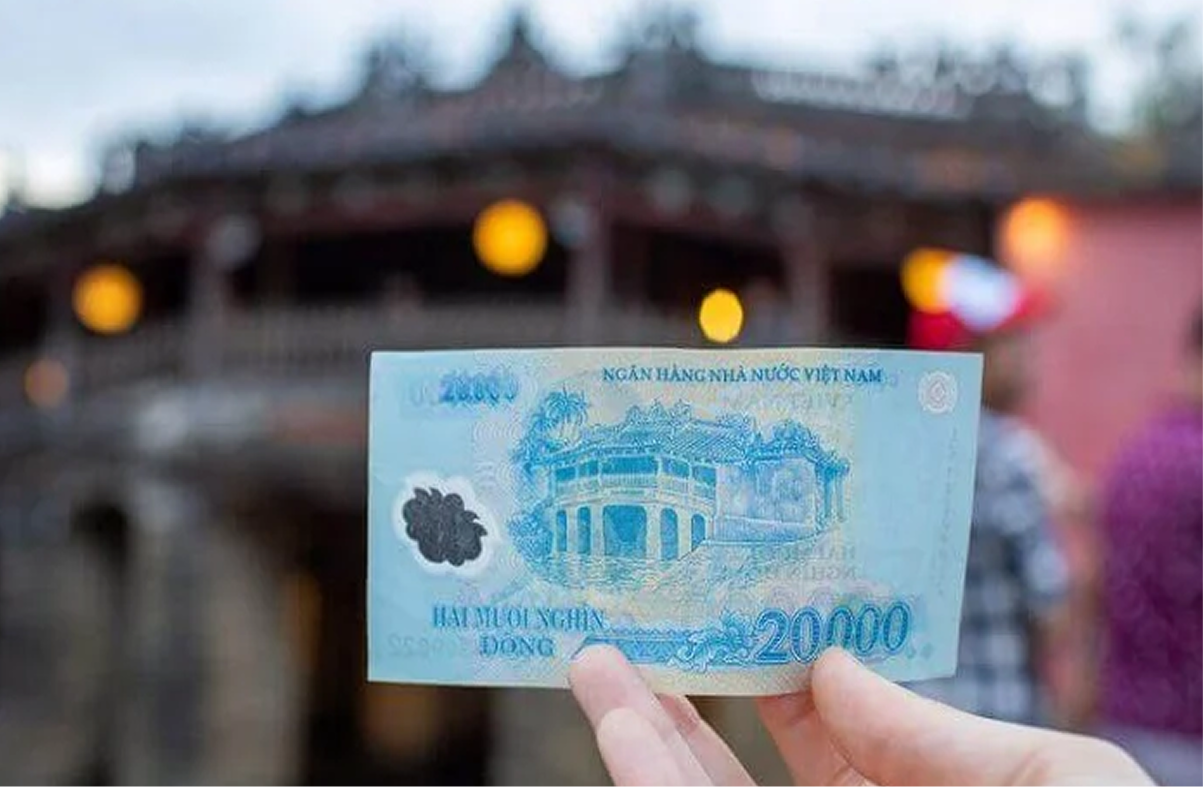
Featured on Vietnam’s currency
The Japanese Covered Bridge is proudly featured on Vietnam’s 20,000 VND banknote, highlighting its status as a national cultural symbol and one of the most recognizable attractions in Hoi An.
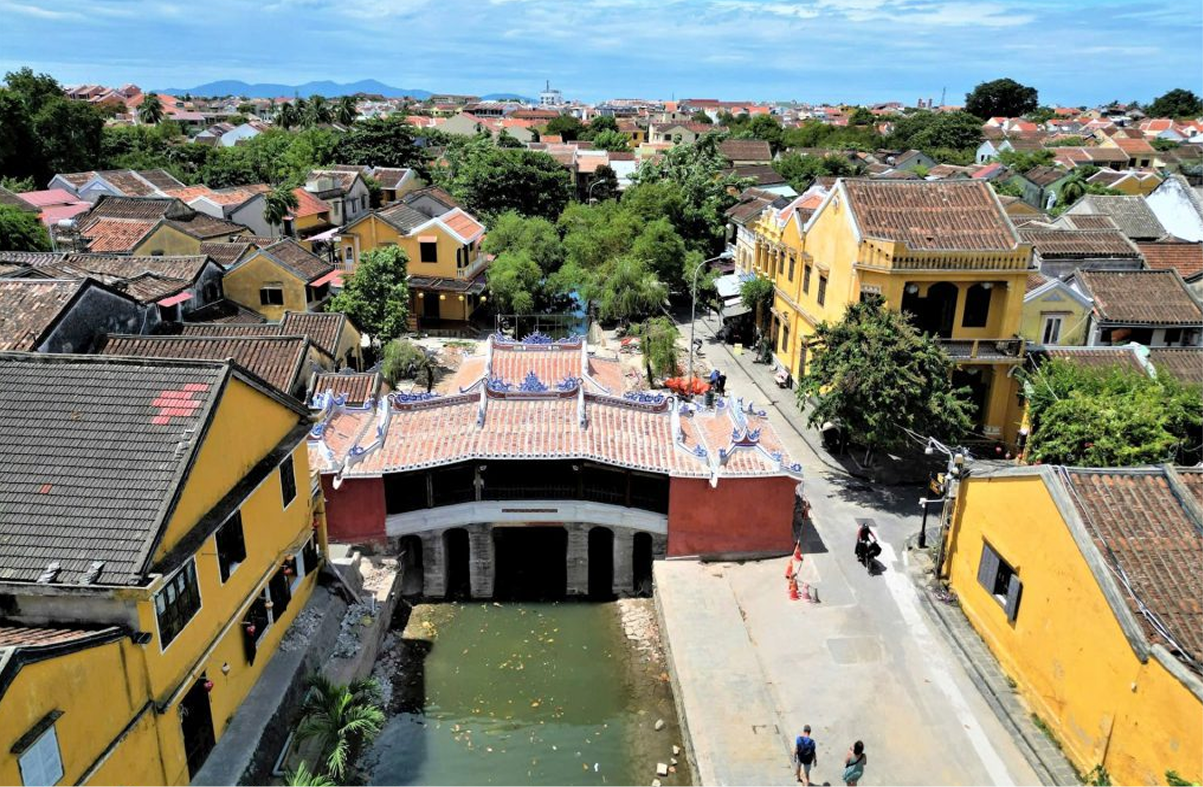
Experience the timeless beauty of the Japanese Covered Bridge in Hoi An
Discover the unique architecture of the Japanese Covered Bridge
Admire the harmonious blend of Japanese wooden architecture, Chinese-inspired details, and Vietnamese cultural spirit that makes the Japanese Covered Bridge one of Hoi An’s most iconic landmarks. Every corner reflects centuries of history and cultural exchange.
Visit the sacred temple inside
Step into the small spiritual sanctuary within the Japanese Covered Bridge, where locals still burn incense and pray for peace and good fortune. The tranquil atmosphere offers a glimpse into the deep-rooted beliefs of Hoi An’s community.
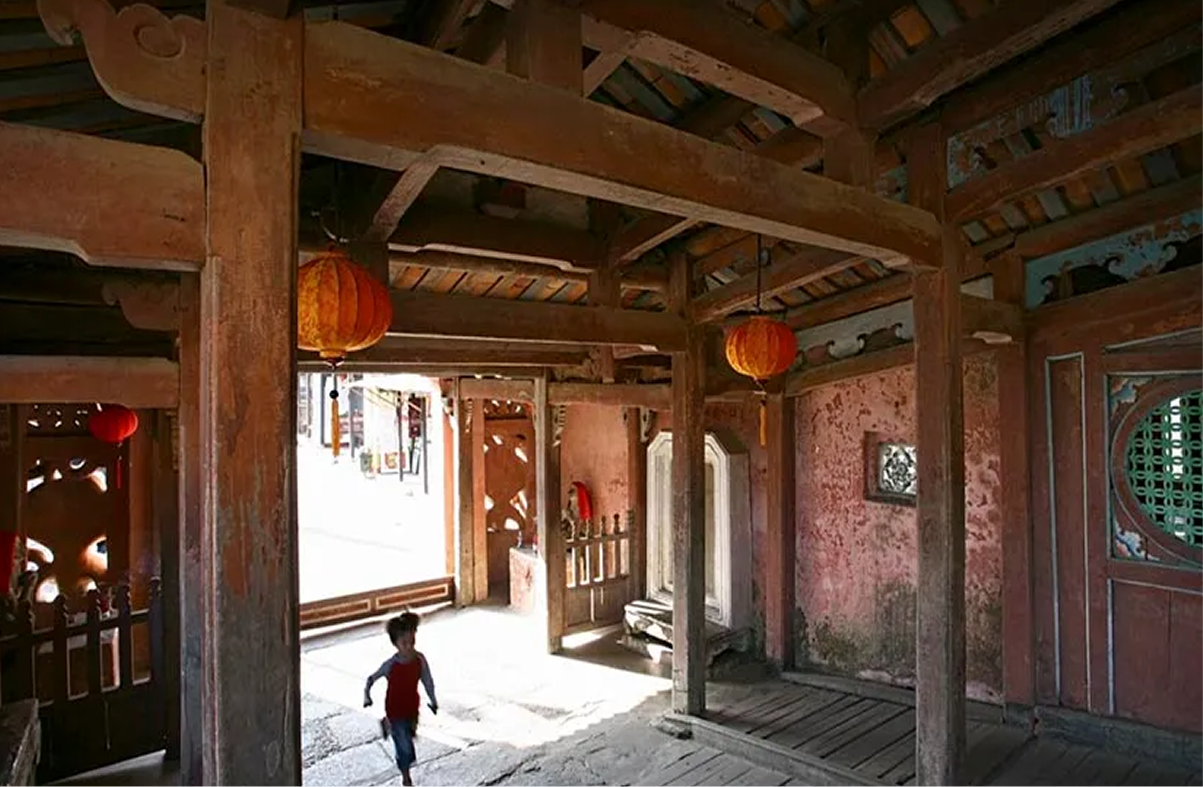
Enjoy a moment of prayer and reflection
Take a quiet pause inside the Japanese Covered Bridge, breathe in the calming scent of incense, and make a simple wish. The peaceful setting creates a meaningful connection to the ancient soul of Hoi An.
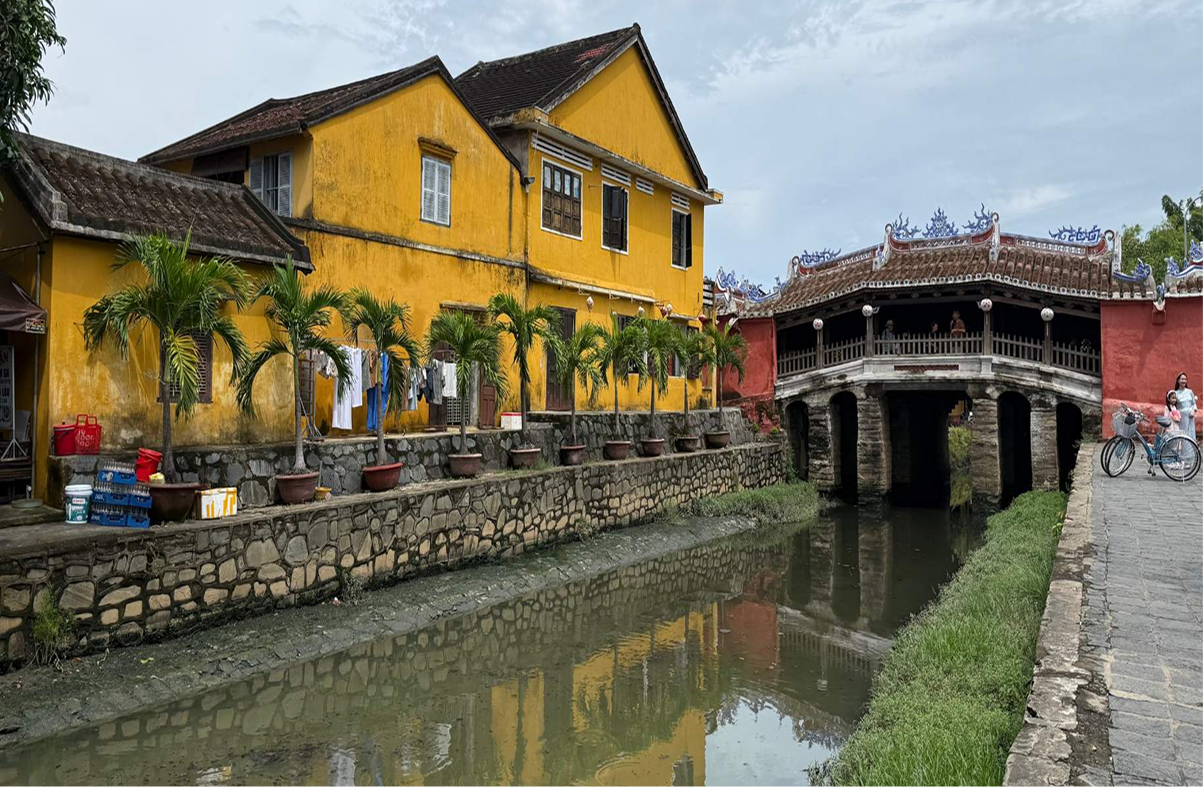
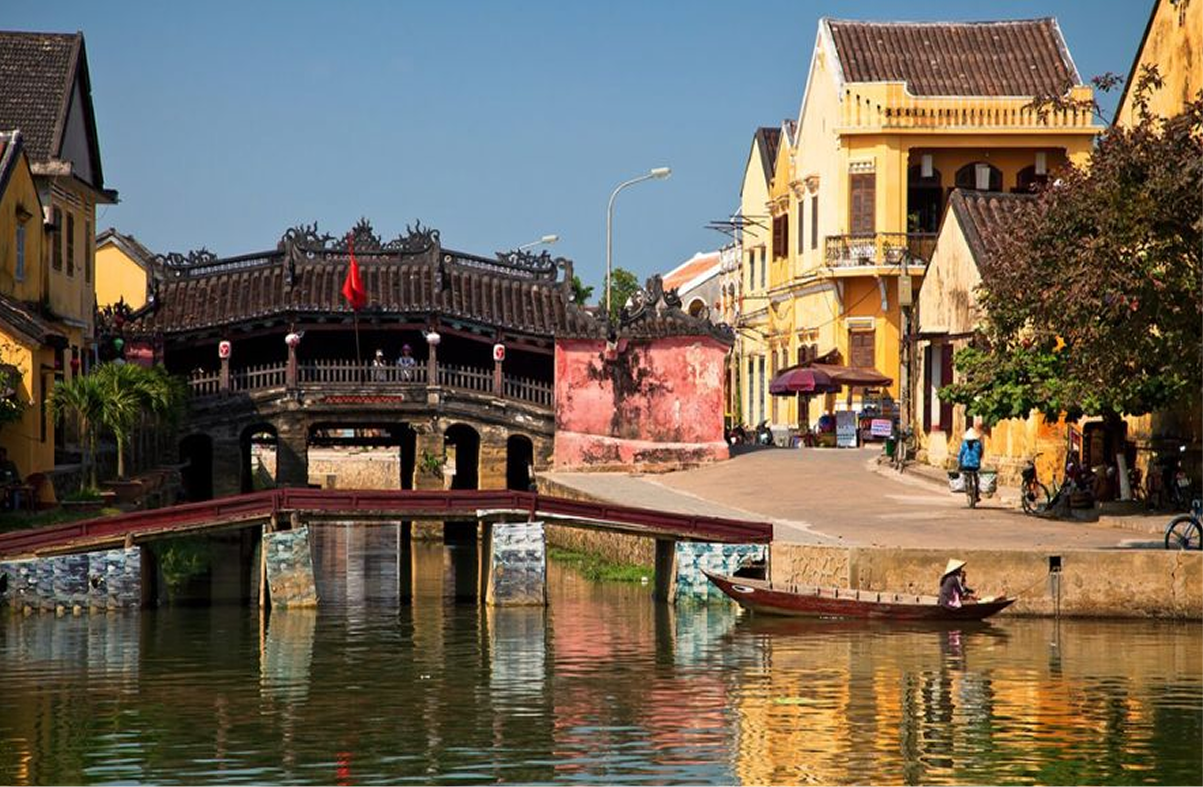
Admire the beauty of the Hoai River
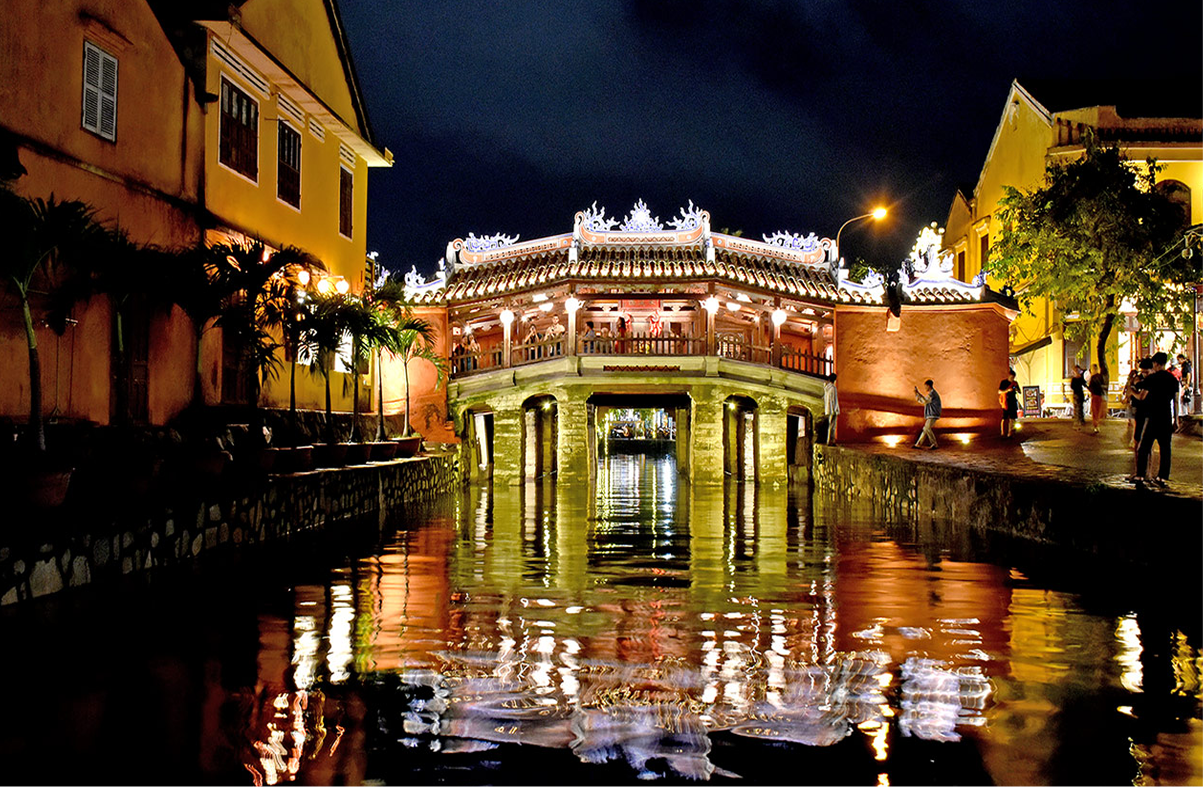
Standing on the Japanese Covered Bridge, visitors can enjoy stunning views of the gentle Hoai River. At sunset, colorful lantern lights reflect beautifully on the water, creating one of the most romantic scenes in Hoi An Ancient Town.
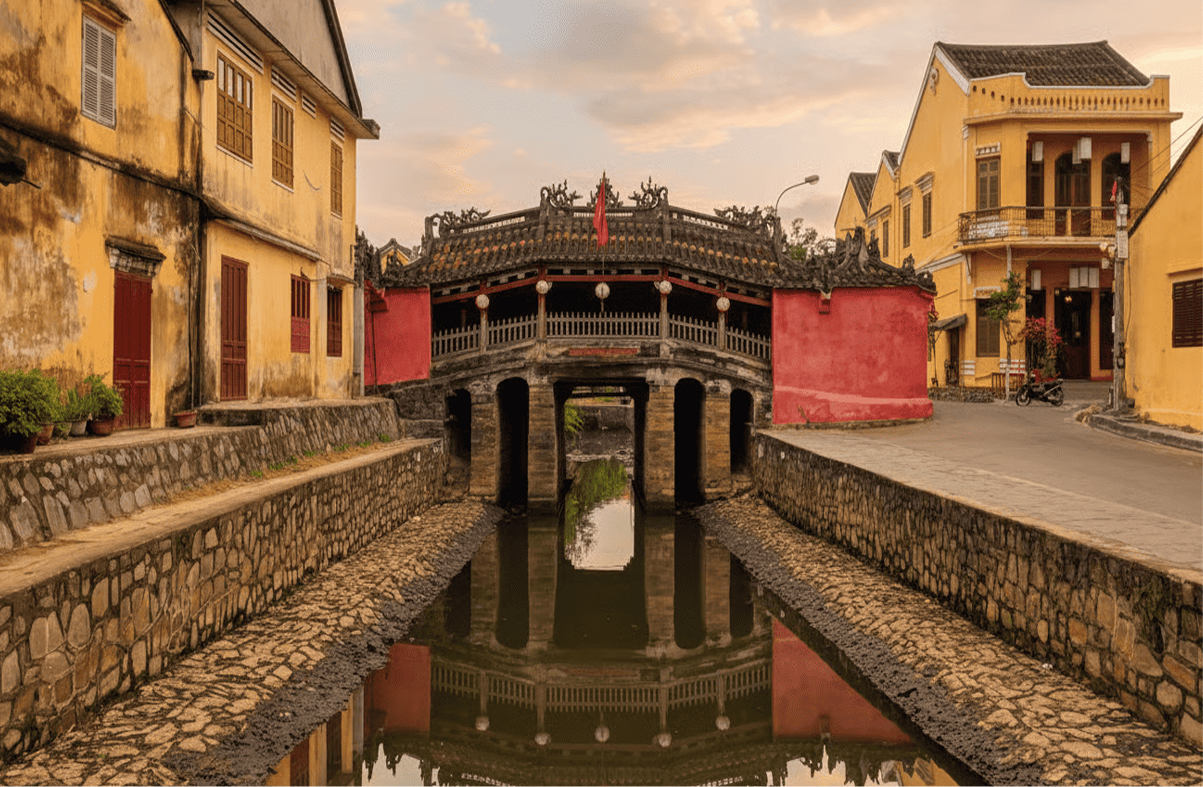
Capture memorable photos
Don’t miss the chance to take stunning photos beneath the glowing red lanterns surrounding the Japanese Covered Bridge. This iconic setting perfectly captures the timeless charm and cultural beauty of Hoi An.
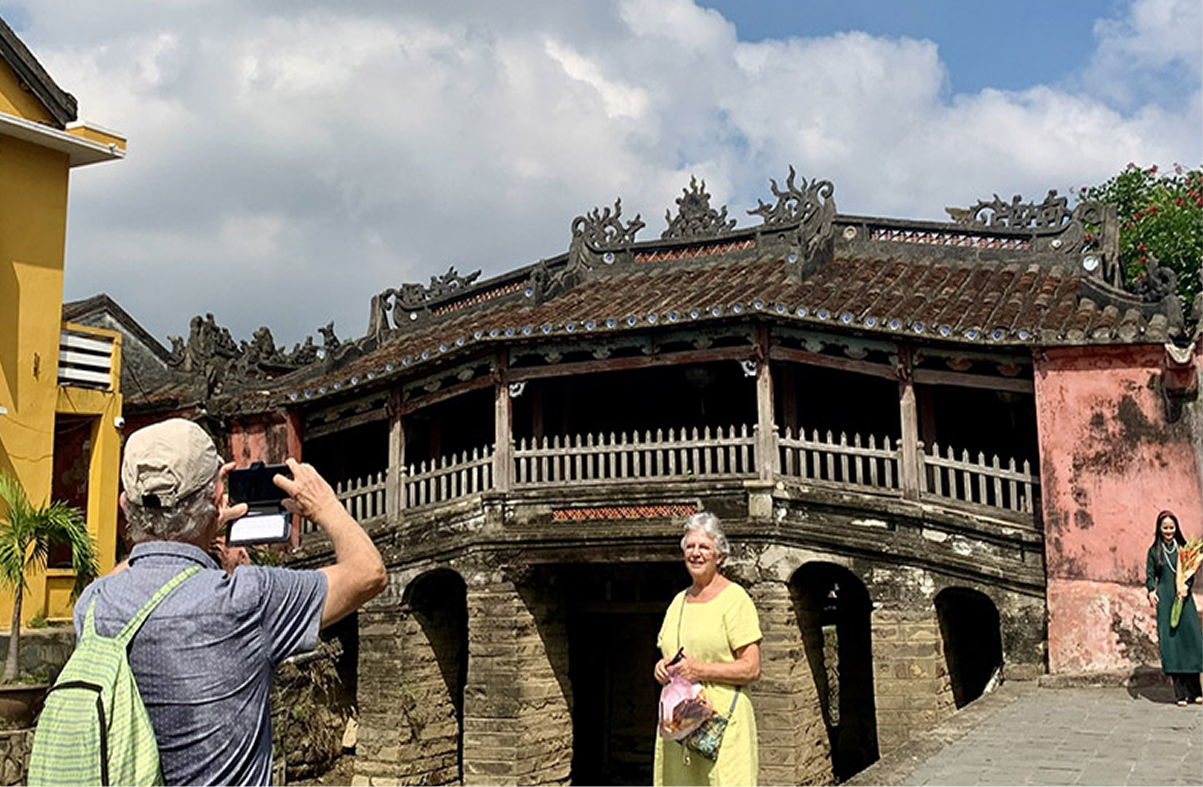
Experience a lantern boat ride at night
In the evening, hop on a traditional lantern boat along the Hoai River and admire the Japanese Covered Bridge illuminated against the night sky. The magical atmosphere creates an unforgettable travel experience in Hoi An.
Learn about the legend of Namazu
According to local legend, the Japanese Covered Bridge was built to pin down the tail of Namazu, a giant mythical catfish believed to cause earthquakes. This fascinating story symbolizes resilience, stability, and the enduring spirit of the people of Hoi An.
Explore Hoi An ancient town after crossing the Bridge
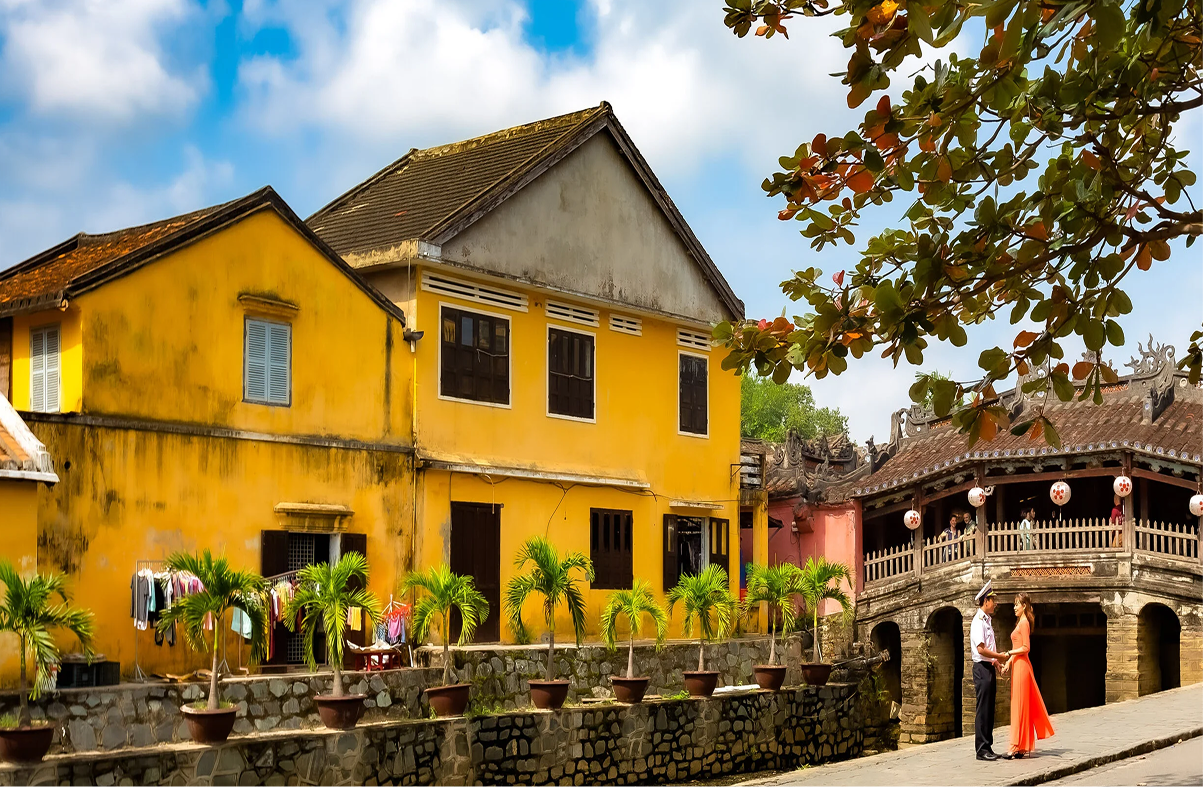
Just beyond the Japanese Covered Bridge, visitors can wander through the lantern-filled streets of Hoi An Ancient Town, where the aroma of Cao Lau and the lively sounds of local life create an unforgettable cultural experience.
Important tips for visiting the Japanese Covered Bridge in Hoi An
Purchase an entrance ticket
Visitors are required to buy a ticket to enter the Japanese Covered Bridge, one of the most famous cultural heritage sites in Hoi An. The ticket price is around 80,000 VND for Vietnamese visitors and 150,000 VND for international tourists. This ticket also includes access to 21 attractions within Hoi An Ancient Town, including the iconic Japanese Covered Bridge.
Enjoy traditional activities and street performances
Besides visiting the Japanese Covered Bridge, tourists can also experience traditional folk games and vibrant street performances. These cultural activities take place daily from 7:00 PM to 8:30 PM throughout Hoi An Ancient Town.
Hire a local tour guide
One useful tip for exploring the Japanese Covered Bridge is to hire a local tour guide. A guide can help you discover the history, unique architecture, and interesting stories behind this historic landmark, making your visit more meaningful and informative.
Visit at the best time of the day
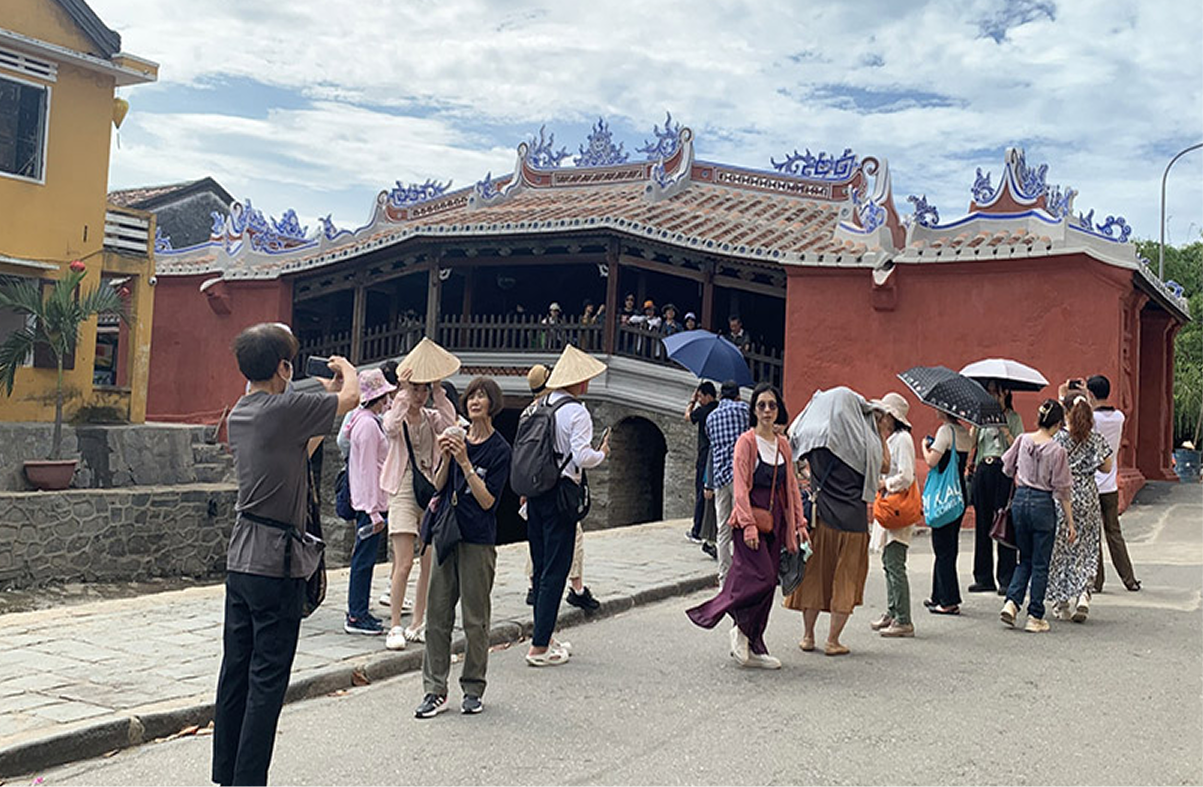
The ideal time to visit the Japanese Covered Bridge is around 9:00 AM or between 2:00 PM and 3:00 PM. During these hours, the area is usually less crowded, allowing visitors to comfortably explore, take photos, and enjoy the peaceful atmosphere.
Respect the spiritual and cultural atmosphere
As the Japanese Covered Bridge is an important spiritual and cultural site, visitors should avoid pushing, shouting, or making loud noises while visiting. Walking quietly, speaking softly, and respecting the surroundings are essential ways to show cultural appreciation and proper travel etiquette.
FAQs – Frequently Asked Question About Japanese Covered Bridge
Where is the bridge located in Hoi An?
The bridge is located in the heart of Hoi An Ancient Town on Nguyen Thi Minh Khai Street, one of the city’s most visited heritage areas.
Why is this landmark considered a symbol of Hoi An?
It represents the cultural connection between Vietnamese, Japanese, and Chinese communities during Hoi An’s historic trading era.
What makes the architecture so unique?
The structure combines a covered wooden bridge with a small temple, featuring curved roofs, ancient carvings, and traditional craftsmanship.
Is there an entrance fee to visit?
Visitors can admire the attraction from outside for free, while entry inside is included in the Hoi An Ancient Town ticket.
Conclusion
The Japanese Covered Bridge is a must-visit attraction that beautifully captures the timeless charm of Hoi An. More than just a historic landmark, it offers travelers a deeper understanding of the town’s rich cultural heritage and allows them to relive the nostalgic atmosphere of ancient Vietnam amid the rhythm of modern life. A visit to the Japanese Covered Bridge is not only a journey through history, but also a reminder to appreciate the meaningful moments and values we hold today. For a seamless and memorable journey in Hoi An, let Vietnam Asia Travel DMC accompany you with authentic local experiences and professionally curated travel services.