Planning a trip to Vietnam can be exciting, but understanding the weather is key to making the most of your journey. The best time to travel Vietnam depends on where you go, what you want to experience, and how you handle different climates. From misty mountains in the North to sunny beaches in the South, Vietnam offers diverse conditions all year round. To help you plan smarter, this guide by Vietnam Asia Travel DMC breaks down the seasons, regional weather patterns, and the ideal times to visit based on your travel style.
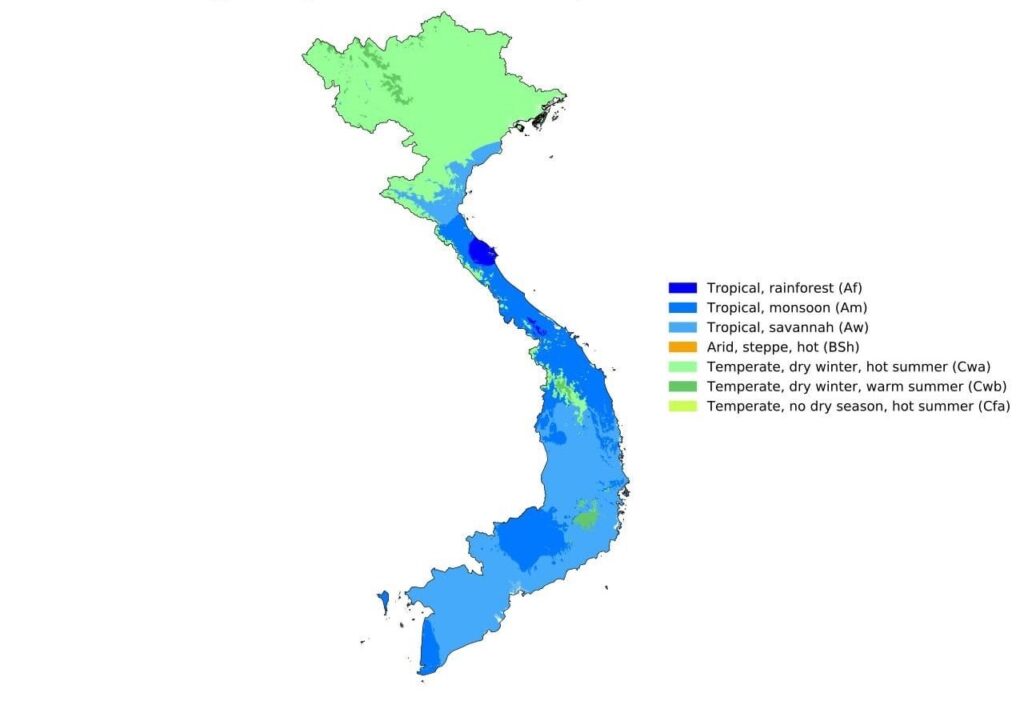
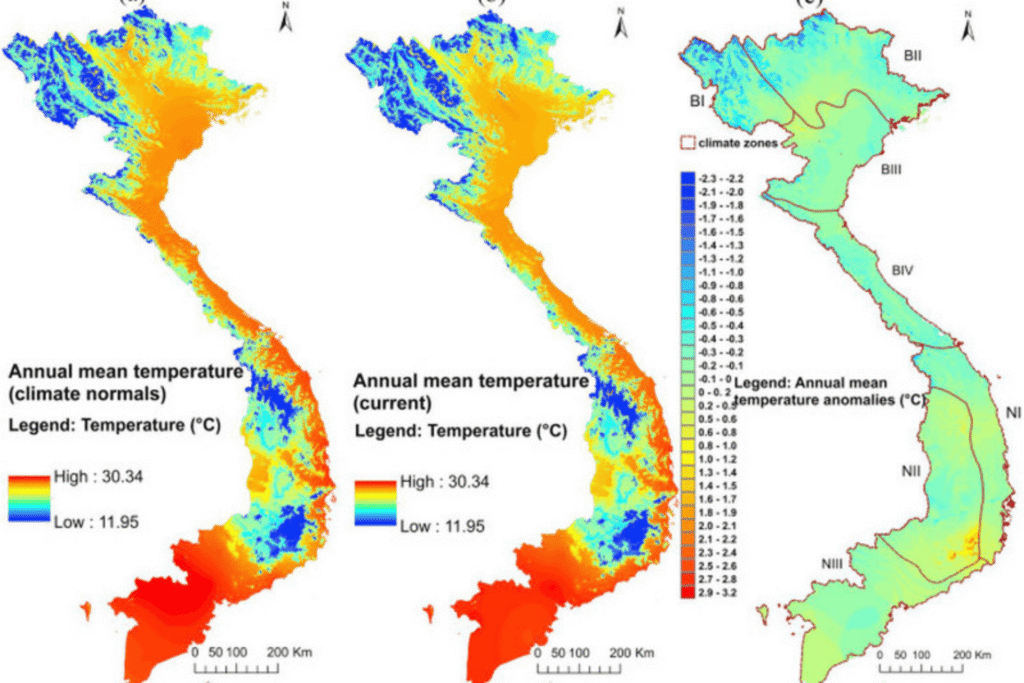
Vietnam Weather by Region & Month
Understanding regional and seasonal differences is essential when deciding the best time to travel Vietnam, as the country’s long geography creates completely different weather patterns from North to South. To better understand regional differences, you can explore this detailed Vietnam climate overview for a broader perspective on weather patterns across the country.
Northern Vietnam (Hanoi, Sapa, Ha Long)
In Northern Vietnam, the best time to travel Vietnam often depends on your preference for cooler weather or lush landscapes, as this region experiences four distinct seasons throughout the year.
- Spring (March – April): Mild temperatures, light rain, and blooming scenery
- Summer (May – August): Hot, humid, with frequent rainfall
- Autumn (September – November): Cool, dry, and widely considered the most pleasant
- Winter (December – February): Cold and sometimes foggy, especially in mountainous areas
This region is ideal for travelers who enjoy seasonal changes, but packing layers is essential due to temperature fluctuations.
Central Vietnam (Hue, Da Nang, Hoi An)
For Central Vietnam, the best time to travel Vietnam is usually during the dry season, when coastal destinations offer sunshine and calm seas.
- Dry season (February – August): Hot, sunny, perfect for beaches
- Rainy season (September – January): Heavy rain and occasional typhoons
While Da Nang and Hoi An shine during dry months, Hue tends to be wetter later in the year, making timing especially important in this region.
Southern Vietnam (Ho Chi Minh City, Mekong Delta, Phu Quoc)
In the South, the best time to travel Vietnam is easier to determine thanks to its stable tropical climate with only two main seasons.
- Dry season (December – April): Warm, sunny, and comfortable
- Wet season (May – November): Short, heavy afternoon showers
Even during the rainy months, travel remains convenient as rainfall is usually brief and predictable.
Month-by-Month Weather Overview
Looking at the overall climate, the best time to travel Vietnam can also be identified by analyzing patterns across the year, especially when comparing regional conditions.
If you’re planning in detail, understanding the Vietnam weather by month helps align your itinerary with favorable conditions:
- January – March: Cooler North, dry and pleasant South
- April – June: Increasing heat, ideal for beach travel
- July – September: Hot and rainy across many regions
- October – December: Cooler North, mixed weather in central areas
Because of the country’s unique geography, comparing Vietnam weather North vs South is crucial when building a flexible travel plan.
Vietnam Seasons: Rainy vs Dry (Pros & Tips)
Vietnam has two main seasonal patterns across most regions, and understanding them is key to choosing the best time to travel Vietnam based on your preferences, budget, and travel style.
Rainy Season
The rainy season varies by region, but in general, the best time to travel Vietnam for those who enjoy fewer crowds and lush landscapes can still fall within this period. The rainy season Vietnam typically brings short but intense showers, higher humidity, and occasional storms, especially in central areas. Despite the name, rain rarely lasts all day. Mornings are often clear, with showers appearing in the afternoon or evening. This creates opportunities for flexible sightseeing and better photography with dramatic skies and vibrant greenery.
Pros:
- Fewer tourists and lower prices
- Lush scenery, especially in rural and mountainous areas
- Cooler temperatures compared to peak summer heat
Cons:
- Sudden downpours may disrupt outdoor plans
- Risk of flooding in some regions
- Occasional storms in central Vietnam
Dry Season
For many travelers, the best time to travel Vietnam is during the dry months, when the weather is more stable and ideal for outdoor activities. The dry season Vietnam is generally characterized by sunny days, lower humidity, and minimal rainfall. This is the peak travel season in many parts of the country, particularly in Southern and coastal regions where beaches are at their best. However, higher demand can mean increased prices and more crowded attractions.
Pros:
- Reliable weather for sightseeing and beach activities
- Clear skies and great visibility
- Easier transportation and travel planning
Cons:
- Higher costs for flights and accommodation
- Popular destinations can be crowded
- Hot temperatures in certain months
Travel Tips by Season
No matter when you go, choosing the best time to travel Vietnam also depends on how well you prepare for seasonal conditions. Smart planning can help you enjoy your trip regardless of weather changes.
- During the rainy season: bring a lightweight rain jacket, waterproof shoes, and plan flexible itineraries
- During the dry season: pack sunscreen, hats, and stay hydrated in hot temperatures
- Always check regional forecasts, especially if traveling across multiple destinations
Being prepared for seasonal differences allows you to travel more comfortably and make the most of your experience in Vietnam.
Best Time to Visit Vietnam by Travel Style
Choosing the best time to travel Vietnam is not only about weather but also about what kind of experience you are looking for, from beaches and mountains to culture and budget-friendly travel.
Beach Lovers
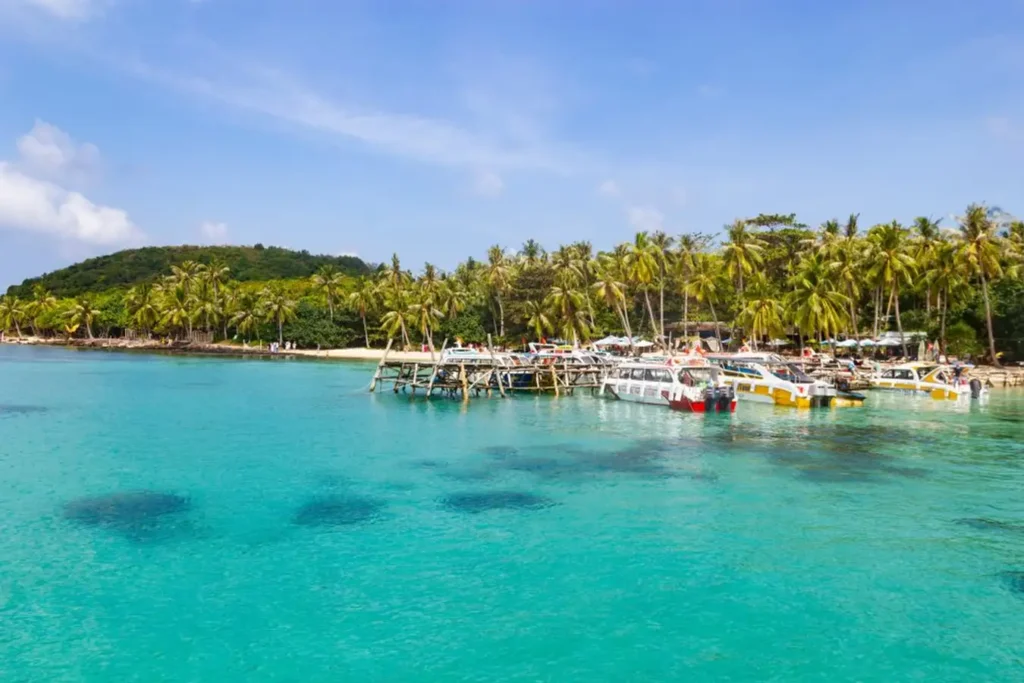
For those dreaming of sun, sand, and clear blue waters, the best time to travel Vietnam is typically during the dry months when coastal destinations are at their best. The best months to visit Vietnam for beach holidays are usually from March to August, especially in places like Da Nang, Nha Trang, and Phu Quoc.
During this period, you can expect calm seas, plenty of sunshine, and ideal conditions for swimming, snorkeling, and island hopping. However, it is also peak season, so booking in advance is recommended.
Trekking & Adventure (Sapa, Ha Giang)
If your goal is outdoor adventure, the best time to travel Vietnam depends on avoiding extreme weather while enjoying scenic landscapes. The most suitable time for trekking in Northern regions like Sapa and Ha Giang is from September to November or March to May.
These months offer cooler temperatures, clearer skies, and stunning views of rice terraces and mountain valleys. Trails are safer and more accessible compared to the rainy season, making it perfect for hiking and exploration. For a deeper look into trekking routes and local experiences, explore this complete guide to Sapa Vietnam before planning your journey.
Culture & Sightseeing
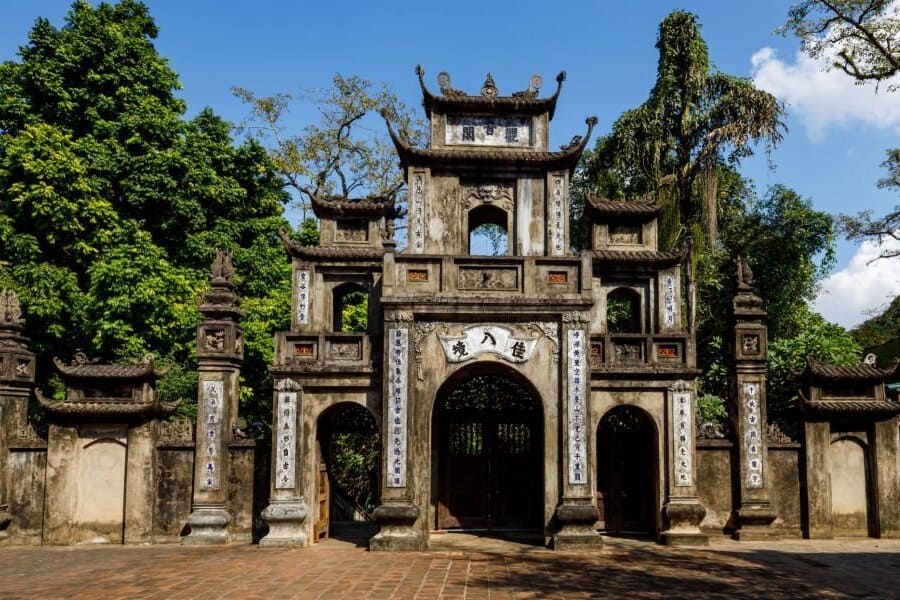
For travelers interested in history, local life, and iconic landmarks, the best time to travel Vietnam is when the weather is comfortable for walking and sightseeing. This is especially important in cities like Hanoi, Hue, and Ho Chi Minh City.
If you are wondering when to visit Vietnam for cultural experiences, the months from October to April are often ideal, with milder temperatures and less humidity in many regions. This allows you to explore temples, markets, and historical sites without extreme heat or heavy rain. To explore Vietnam’s rich heritage in depth, consider joining these Vietnam cultural tours that highlight history, local traditions, and iconic landmarks.
Budget Travelers
If saving money is your priority, the best time to travel Vietnam may actually fall during the low or shoulder seasons, when prices for flights and accommodation are more affordable. Traveling during the rainy months or just before peak season can help you find better deals while still enjoying many destinations. With flexible planning, budget travelers can experience Vietnam comfortably without compromising too much on weather conditions.
For those who prefer a more relaxed and comfortable journey, these specially designed Vietnam tours for seniors offer a slower pace and well-planned itineraries.
Best Time to Travel Vietnam for Festivals & Experiences
Beyond weather, the best time to travel Vietnam can also be shaped by cultural events and local traditions, offering travelers a deeper and more authentic experience of the country.
Lunar New Year (Tet Holiday)
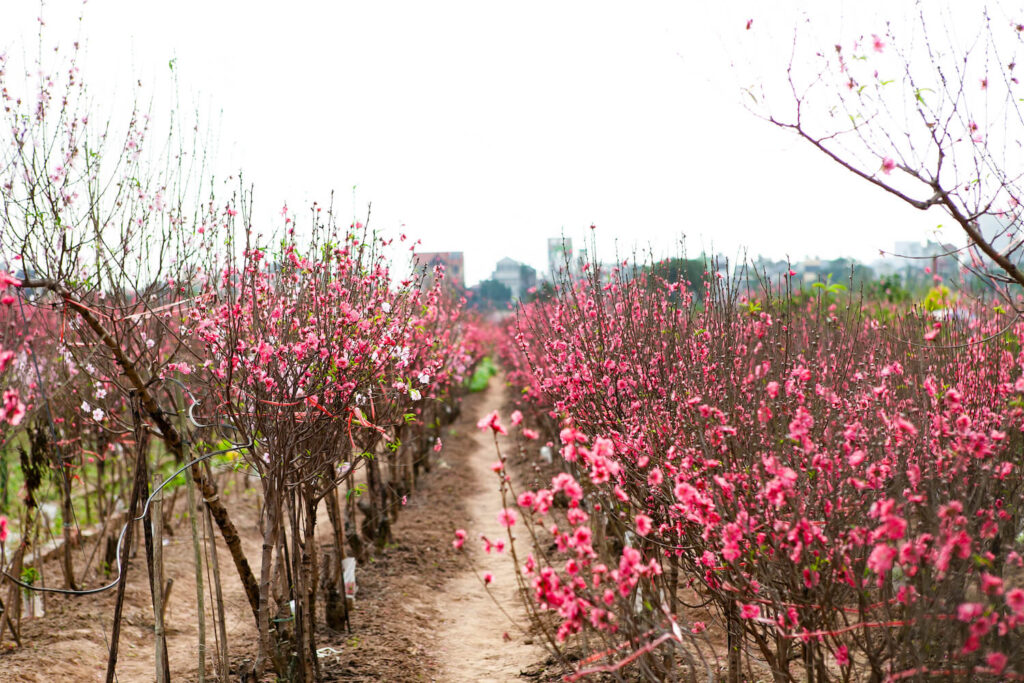
For many visitors, the best time to travel Vietnam is during Tet, the most important celebration of the year. This festival usually takes place between late January and February and marks the Vietnamese Lunar New Year.
During this time, cities come alive with decorations, flower markets, and family gatherings. While it offers a unique cultural experience, travelers should note that many businesses close, and transportation can be crowded as locals return to their hometowns.
Mid-Autumn Festival
Another culturally rich period that can influence the best time to travel Vietnam is the Mid-Autumn Festival, typically held in September or October. Known for lantern displays, mooncakes, and lively street performances, this event is especially vibrant in cities like Hanoi and Hoi An. It is an excellent opportunity to experience traditional culture, particularly for families or those interested in festive atmospheres.
Local Festivals & Seasonal Experiences
Throughout the year, the best time to travel Vietnam may also depend on smaller regional festivals and seasonal highlights. These experiences vary widely across the country and are closely tied to local traditions and agricultural cycles.
From floating markets in the Mekong Delta to harvest seasons in the Northern mountains, each region offers something unique. Understanding Vietnam climate seasons helps travelers align their trips with these special moments, creating a more immersive journey. For those planning a comprehensive itinerary, following a Vietnam travel seasons guide can help identify the right timing for both weather and cultural experiences.
Conclusion
Vietnam offers diverse travel experiences year-round, so choosing the right time depends on your preferences, destinations, and travel style. From sunny beaches to cultural festivals and mountain landscapes, each season brings its own highlights.
The best time to travel Vietnam varies depending on what you are looking for. Dry months are ideal for outdoor activities and sightseeing, while the rainy season offers fewer crowds, lower costs, and vibrant scenery. With careful planning, you can enjoy a great trip in any season.
For a smooth and well-organized journey, Vietnam Asia Travel DMC provides expert advice, customized itineraries, and local insights to help you explore Vietnam with ease. Start planning your trip today and discover the best time to travel Vietnam with Vietnam Asia Travel DMC.
Frequently Asked Questions about best time to travel Vietnam
1. What is the best time to travel Vietnam?
The best time depends on your destination and travel style, but generally spring (March–April) and autumn (September–November) offer the most pleasant weather.
2. Is it okay to visit Vietnam during the rainy season?
Yes, the rainy season often brings fewer crowds, lower prices, and short showers that usually don’t last all day.
3. Which part of Vietnam has the best weather year-round?
Southern Vietnam has the most stable climate, with warm temperatures throughout the year and predictable seasonal patterns.