Planning your first trip to Southeast Asia can feel overwhelming, but travel Vietnam offers an unforgettable mix of vibrant cities, breathtaking landscapes, rich culture, and world-famous cuisine. From the misty mountains of the North to the tropical charm of the South, Vietnam is a destination that truly has it all. To make your journey seamless and enriching, you can explore trusted services from Vietnam Asia Travel DMC, a professional local expert specializing in curated travel experiences across the country.
Introduction to Vietnam
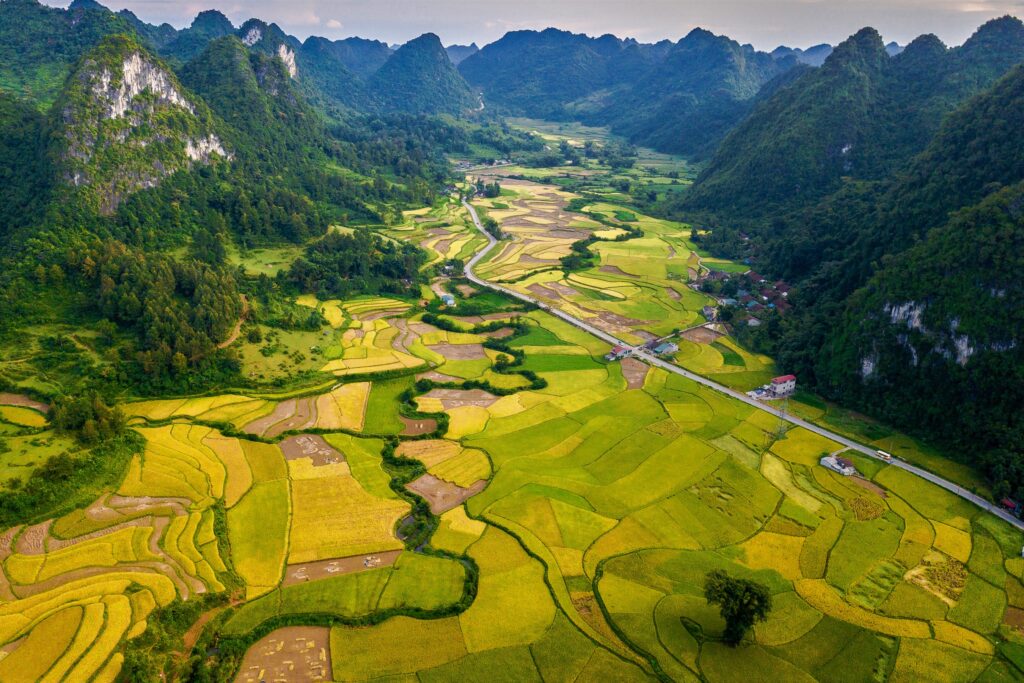
Understanding the essence of a destination is the first step to planning a meaningful journey, and travel begins with discovering a country rich in contrasts, culture, and natural beauty. Vietnam stretches along the eastern coastline of Southeast Asia, offering an extraordinary variety of landscapes. From the misty mountains of the North to the fertile deltas in the South, allows visitors to experience multiple worlds within a single trip, each with its own identity and charm.
For those looking for a complete Vietnam travel guide for beginners, it’s important to recognize how history has shaped the country. Influences from ancient dynasties, colonial periods, and modern development all contribute to the unique atmosphere you’ll encounter when you travel Vietnam today. Another reason why the country continues to attract global visitors is its accessibility. With well-connected international airports and a growing tourism infrastructure, Vietnam has become increasingly convenient, even for those visiting Southeast Asia for the first time.
Cultural richness is at the heart of the experience. From vibrant street markets to traditional festivals and daily local life, every moment offers something authentic. When you travel, these cultural encounters often become the most memorable part of the journey. Equally important is the country’s world-renowned cuisine. Known for its balance of flavors and fresh ingredients, Vietnamese food reflects regional diversity and deep-rooted traditions. Exploring local dishes is an essential part of how travelers truly connect.
Best Time to Visit Vietnam
Choosing the right season can significantly shape your experience, and understanding the climate is essential when planning to travel Vietnam. Vietnam’s geography stretches across three distinct climate zones, meaning the weather can vary greatly from North to South at any given time. This diversity allows travelers to plan flexible itineraries, depending on whether they prefer outdoor adventures, cultural exploration, or relaxing beach holidays.
Weather in Northern Vietnam
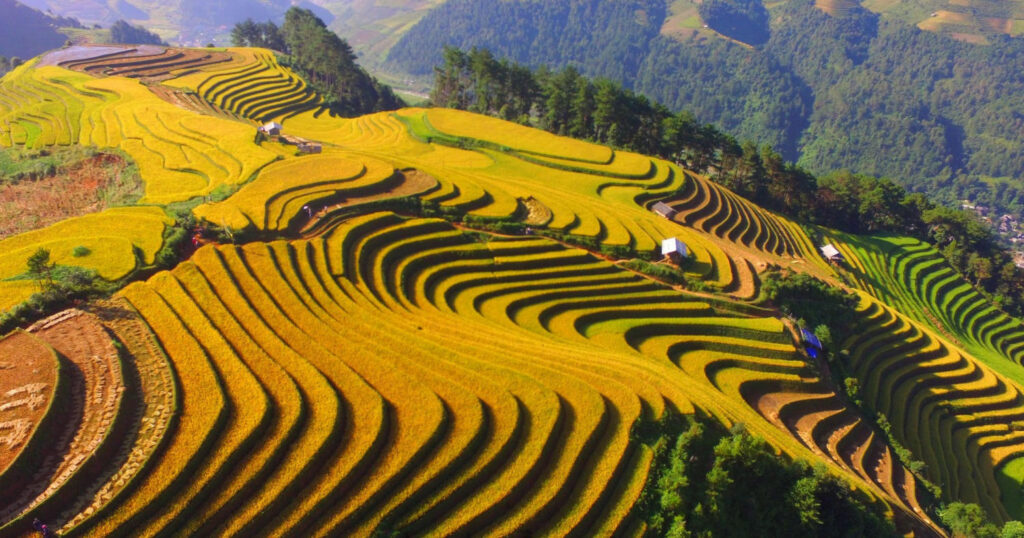
Northern Vietnam experiences four distinct seasons, including a cool winter and a warm, humid summer. From October to April, the weather is generally cooler and more comfortable, making it ideal for sightseeing in Hanoi or trekking through the mountainous regions of Sapa and Ha Giang. During spring, the landscapes are lush and vibrant, while autumn offers clear skies and pleasant temperatures. Many travelers consider this period the best time to travel Vietnam if they want to enjoy both natural beauty and outdoor activities without extreme heat.
Weather in Central Vietnam
Central Vietnam features a tropical climate with a mix of dry sunshine and seasonal rainfall, depending on the time of year. The best months to visit coastal cities such as Da Nang, Hue, and Hoi An are typically between February and August, when the weather is warm, sunny, and perfect for beach activities. However, from September to November, the region can experience heavy rains and occasional storms. Planning carefully during the dry season ensures a smoother experience when you travel Vietnam and want to fully enjoy both cultural landmarks and coastal scenery.
Weather in Southern Vietnam
Southern Vietnam has a more stable tropical climate with two main seasons: the dry season and the rainy season. From December to April, the weather is typically sunny, hot, and less humid, making it a great time to explore bustling Ho Chi Minh City or take a boat trip through the Mekong Delta. The rainy season, from May to November, usually brings short but intense afternoon showers, which rarely disrupt travel plans significantly. Even during this period, many visitors still choose to travel because of fewer crowds and lush green landscapes.
When to Plan Your Trip
Ultimately, the best time to visit depends on your travel style and the regions you want to explore. Some travelers prioritize cooler temperatures in the North, while others prefer sunny beaches in central or Southern areas. By understanding the seasonal differences and aligning them with your interests, you can create a well-balanced itinerary and confidently at any time of the year.
Top Places to Visit & Suggested Itineraries
Exploring the country’s most iconic destinations is a key part of planning your journey, and knowing where to go will help you make the most of your time when you travel. Vietnam offers an incredible range of destinations, from historic cities and cultural landmarks to natural wonders and coastal retreats. Whether you are drawn to mountains, beaches, or vibrant urban life, you will find countless top places to visit in Vietnam that showcase the country’s diversity and charm.
Northern Vietnam Highlights
Northern Vietnam is often considered the cultural and historical heart of the country, where ancient traditions and dramatic landscapes come together. Hanoi, the capital city, is known for its Old Quarter, colonial architecture, and lively street life. For a deeper look at what to see and do, explore this complete guide to Hanoi. Just a few hours away, Halong Bay offers breathtaking limestone karsts rising from emerald waters, making it one of the most iconic sights in Southeast Asia. Nature lovers can also explore lush jungles and rich biodiversity in Cuc Phuong National Park, one of the country’s oldest protected areas. Exploring these destinations allows travelers to fully experience the depth and beauty when they travel Vietnam in the North.
Central Vietnam Highlights
Central Vietnam is famous for its blend of cultural heritage and coastal beauty. Hue, the former imperial capital, is home to ancient citadels, royal tombs, and a rich historical legacy. Further South, Da Nang offers modern city vibes combined with beautiful beaches, while nearby Hoi An enchants visitors with its lantern-lit streets and well-preserved old town. This region is ideal for those who want to balance relaxation and exploration, as it combines historical landmarks with seaside escapes. Visiting central destinations adds variety and richness to any itinerary when you travel Vietnam across different regions.
Southern Vietnam Highlights
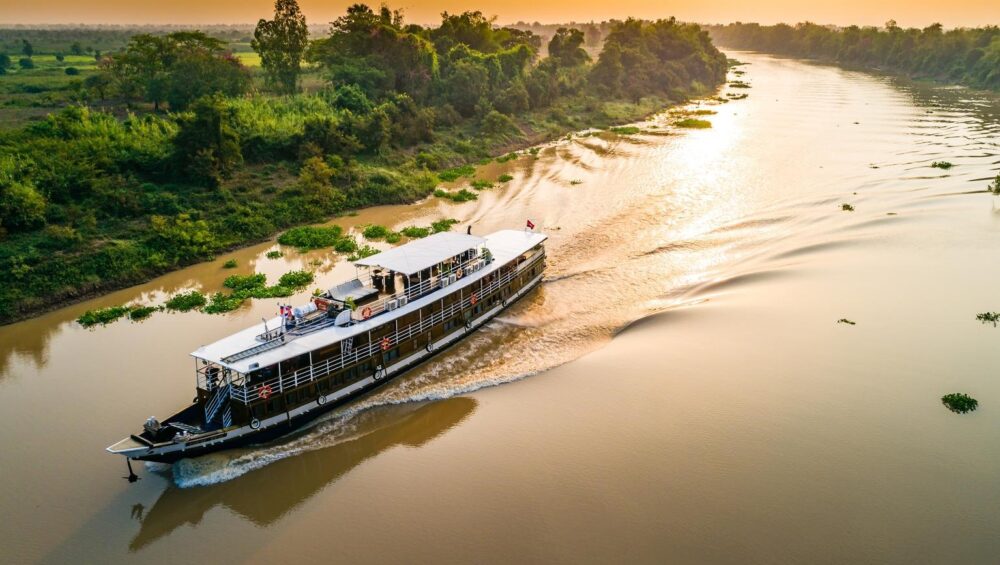
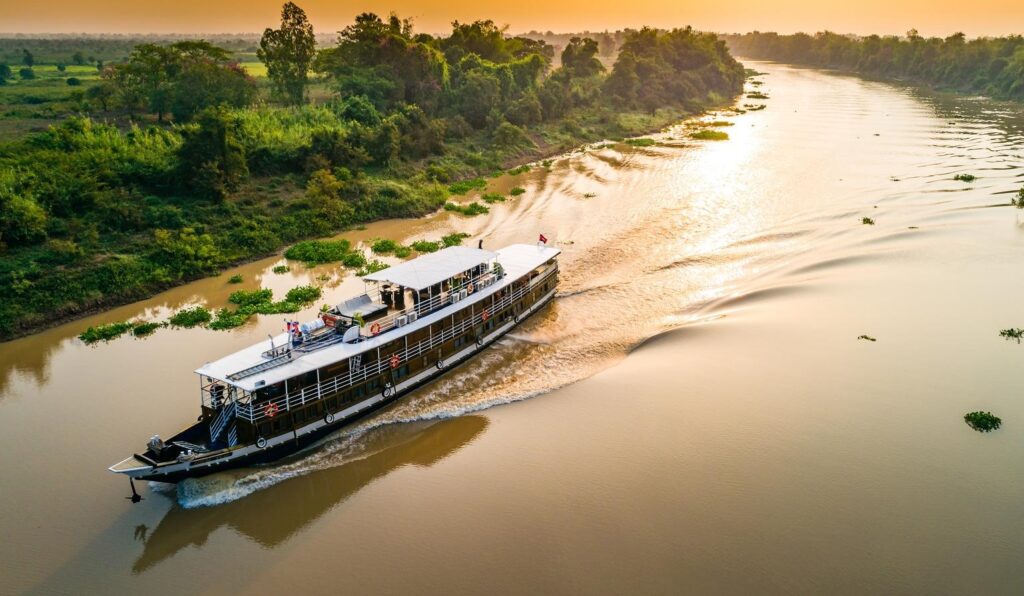
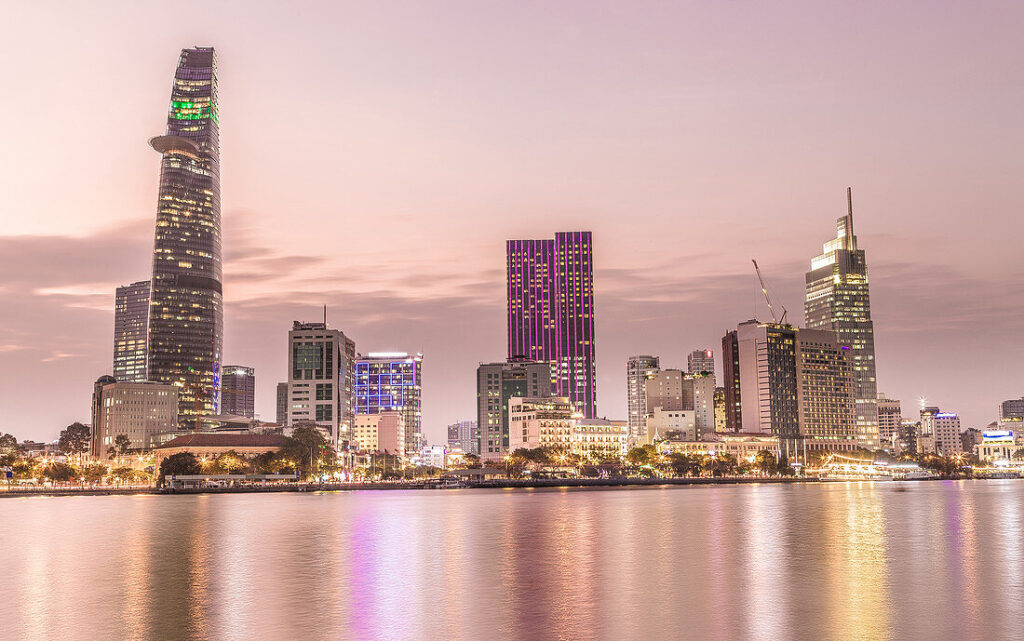
Southern Vietnam is dynamic, vibrant, and full of energy, with Ho Chi Minh City serving as the country’s economic hub. The city is known for its bustling streets, modern skyscrapers, and historical sites such as war museums and colonial buildings. Beyond the city, the Mekong Delta offers a completely different experience, where life revolves around rivers, floating markets, and lush agricultural landscapes. This region provides insight into local life and a more laid-back pace, making it a fascinating contrast when you travel Vietnam from North to South.
Suggested Travel Itineraries (7–10–14 Days)
Planning your route is essential to maximize your experience, especially if you have limited time. A well-designed Vietnam travel itinerary 7 days / 10 days often focuses on either one region or a combination of key highlights, such as Hanoi and Halong Bay in the North or Ho Chi Minh City and the Mekong Delta in the South. With more time, a 10 to 14-day itinerary allows travelers to explore multiple regions, offering a more complete view of the country’s diversity. By carefully selecting destinations and travel routes, you can create a balanced and memorable journey. By carefully selecting destinations and travel routes, you can create a balanced and memorable journey. For those seeking more thrilling experiences, you can explore a range of curated adventure tours across the country.
Essential Travel Tips for First-Time Visitors
Proper preparation can make a significant difference in your overall experience, and understanding key details before you travel Vietnam will help ensure a smooth and enjoyable journey. For many travelers, having clear and practical Vietnam travel tips for first-time visitors can help avoid common mistakes and make the trip more comfortable from the very beginning.
Transportation Options
Getting around the country is easier than many first-time visitors expect, thanks to a wide range of transportation choices. Domestic flights are the fastest way to travel long distances, especially between major cities like Hanoi and Ho Chi Minh City. Trains offer a scenic and more relaxed alternative, particularly along the coastal routes, while sleeper buses are a budget-friendly option for overnight journeys. In cities, taxis and ride-hailing apps are widely available and convenient to use. Understanding these options will help you plan efficiently when you travel Vietnam and want to maximize your time.
Visa & Entry Information
Before your trip, it’s important to check the latest Vietnam visa requirements, as policies may vary depending on your nationality. Many travelers can apply for an e-visa online, while others may be eligible for visa exemptions for short stays. Ensuring that your passport is valid for at least six months and preparing necessary documents in advance will help you avoid complications upon arrival. Being well-prepared with entry requirements allows you to focus on enjoying your experience when you travel Vietnam without unnecessary stress.
Safety & Cultural Etiquette
Vietnam is generally considered a safe destination for travelers, but it’s still important to stay aware of your surroundings, especially in busy urban areas. Petty theft, such as pickpocketing, can occur, so keeping your belongings secure is essential. Respecting local customs is equally important—dress modestly when visiting temples, remove shoes when required, and always greet people politely. These small gestures go a long way in creating positive interactions when you travel Vietnam and engage with local communities.
Practical Travel Advice
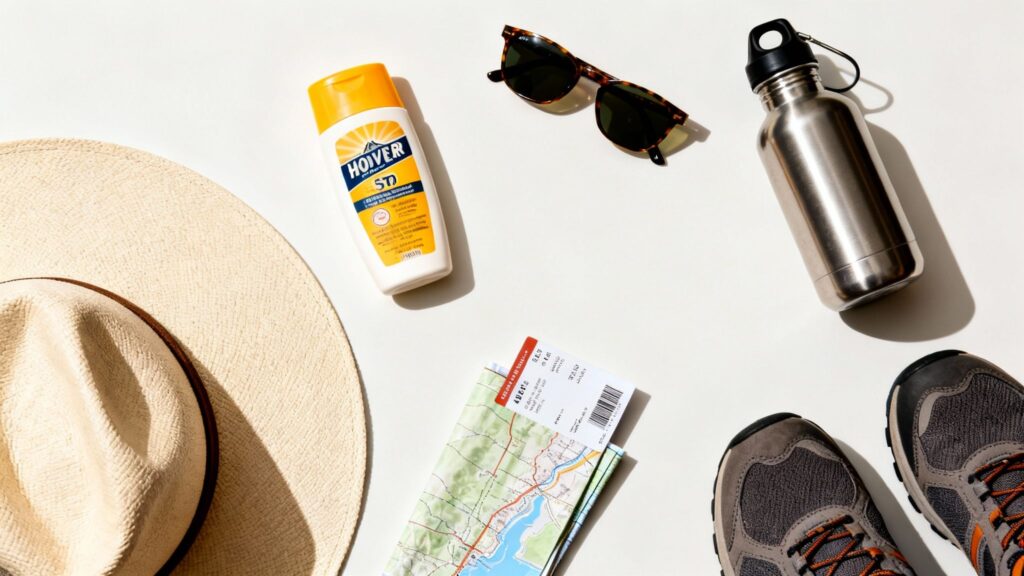
Understanding how to travel around Vietnam also includes knowing a few practical tips that can improve your overall experience. Carrying cash is useful, especially in rural areas where card payments may not be accepted. Learning a few basic Vietnamese phrases can help with communication and show respect for the local culture. Additionally, staying hydrated, using sunscreen, and being mindful of traffic when crossing the street are simple but important habits. With these practical insights, you can feel more confident and comfortable as you travel Vietnam for the first time.
Vietnamese Food & Culinary Experience
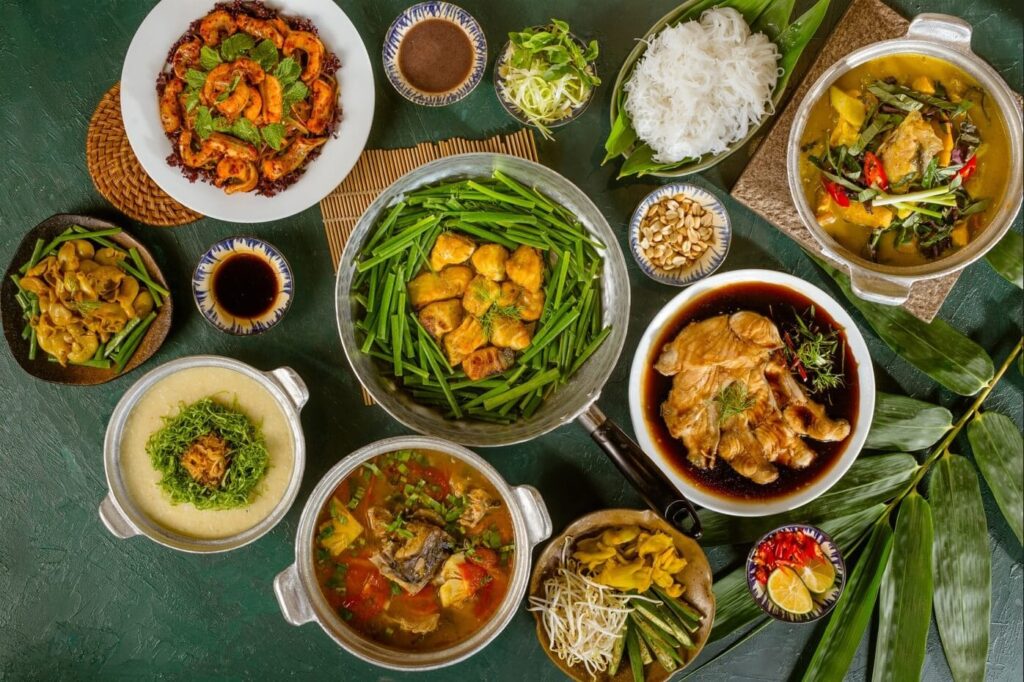
Food is an essential part of the journey, and exploring local cuisine is one of the most exciting ways to experience the culture. Vietnamese cuisine is known for its balance of flavors, fresh ingredients, and regional diversity, making it a highlight for anyone who chooses to travel Vietnam and discover the country through its food.
Must-Try Dishes
Vietnam offers a wide variety of iconic dishes that reflect its culinary identity and cultural heritage. Pho, the country’s most famous noodle soup, is made with slow-simmered broth, rice noodles, and tender slices of beef or chicken, often enjoyed as a comforting breakfast. Banh mi, influenced by French colonial history, combines a crispy baguette with savory fillings like grilled pork, pâté, pickled vegetables, and fresh herbs. Fresh spring rolls, or goi cuon, are light and refreshing, typically filled with shrimp, pork, vermicelli, and herbs, served with peanut or fish sauce. Each dish highlights the balance of flavors—sweet, sour, salty, and umami—that defines Vietnamese cooking, making food exploration an unforgettable part of the experience.
Street Food Culture
Street food is at the heart of Vietnamese daily life, offering an authentic and immersive way to experience local culture. From early morning markets to late-night food stalls, the streets are filled with vendors preparing dishes right in front of customers, often using recipes passed down through generations. Popular street foods include bun cha (grilled pork with noodles), banh xeo (crispy savory pancakes), and com tam (broken rice with grilled meats). Following a trusted Vietnam street food guide can help you navigate where to eat safely and discover hidden gems loved by locals. Sitting on small plastic stools, sharing meals in a lively atmosphere, and interacting with vendors all contribute to a unique culinary adventure when you travel Vietnam.
Regional Food Differences
One of the most fascinating aspects of Vietnamese cuisine is how it varies significantly between regions, reflecting differences in climate, culture, and local ingredients. In the North, dishes are typically milder and focus on natural flavors, with less use of sugar and spice. Central Vietnam, especially Hue, is known for its bold, spicy flavors and beautifully presented dishes influenced by royal cuisine. In contrast, Southern cuisine tends to be sweeter and more vibrant, often incorporating tropical ingredients like coconut milk and fresh herbs. These regional distinctions mean that every destination offers a new culinary perspective, allowing travelers to experience a diverse range of flavors and traditions.
Cost & Budget Planning
Understanding your expenses in advance is essential for a smooth journey, and planning your budget carefully will help you enjoy every moment when you travel Vietnam without financial stress. Vietnam is widely known as an affordable destination, making it ideal for both backpackers and luxury travelers, and many people choose budget travel Vietnam as a way to experience the country without overspending.
Daily Travel Costs
The average daily cost in Vietnam can vary depending on your travel style, but it remains relatively affordable compared to many other destinations. Budget travelers can expect to spend around $25–$40 per day, including accommodation, food, and transportation, while mid-range travelers may spend between $50–$100 for more comfort and convenience. Luxury travelers, on the other hand, can enjoy high-end hotels, fine dining, and private tours at a fraction of the cost found in Western countries. Understanding these ranges helps you plan realistically when you travel Vietnam and manage your expenses effectively.
Budget vs Mid-range vs Luxury
Vietnam offers a wide spectrum of travel experiences to suit different budgets and preferences. Budget options include hostels, local eateries, and public transportation, while mid-range travelers can enjoy boutique hotels, guided tours, and comfortable dining experiences. For those seeking luxury, Vietnam features world-class resorts, premium services, and exclusive experiences such as private cruises or personalized tours. No matter your budget level, you can still enjoy high-quality experiences without compromising on comfort or authenticity.
Money-Saving Tips
There are many practical ways to save money while still enjoying a rich travel experience. Booking accommodations in advance, choosing local restaurants instead of tourist-focused venues, and using public or shared transportation can significantly reduce costs. Bargaining is also common in markets, and learning how to negotiate politely can help you get better prices. Additionally, traveling during the off-peak season can lead to lower prices and fewer crowds. By applying these simple strategies, you can maximize value and make the most of your journey when you travel Vietnam.
Conclusion
Vietnam offers a unique blend of culture, landscapes, and unforgettable experiences that continue to inspire travelers worldwide. With the right preparation, even first-time visitors can confidently travel Vietnam and enjoy a journey filled with discovery. For a smoother and more personalized experience, Vietnam Asia Travel DMC provides expert support to help you plan every detail with ease. Start your journey today and turn your travel ideas into a truly memorable adventure.
Frequently Asked Questions about travel Vietnam
1. When is the best time to visit Vietnam?
The best time depends on the region, but generally spring (March–April) and autumn (September–November) offer the most pleasant weather.
2. Do I need a visa to travel to Vietnam?
Visa requirements vary by nationality, but many travelers can apply for an e-visa online or enjoy visa exemptions for short stays.
3. Is Vietnam a good destination for first-time travelers?
Yes, Vietnam is affordable, safe, and diverse, making it an excellent choice for first-time visitors to Southeast Asia.